Hot Stamping Machine technology remains important in premium packaging, labels, cards, and decorative components. It creates metallic, holographic, and tactile finishes through controlled heat, pressure, and dwell time. These details matter when a package must catch light on a crowded retail shelf.
Industry reports support this demand. Grand View Research estimates the global packaging machinery market will continue expanding through 2030, driven by automation, flexible packaging, and higher productivity requirements. Smithers also identifies premium finishes and brand protection as continuing influences in printed packaging. However, market estimates vary by research method. That uncertainty deserves attention.
This guide examines ten Hot Stamping Machine manufacturers from a buyer’s perspective. It considers machine speed, foil-saving systems, registration accuracy, temperature stability, maintenance access, and operator safety. A practical example is a label line running several shifts daily. Small registration errors can create visible defects and expensive material waste. A reliable supplier should provide test samples, technical drawings, training, and documented service coverage.
A glossy brochure proves little. Real performance requires evidence from production trials, customer references, and measurable specifications. Some manufacturers publish strong technical data, while others provide limited information. That gap can complicate fair comparisons. No ranking is flawless, and the best machine depends on substrate, order volume, finishing complexity, and local support. The following manufacturers are therefore evaluated for practical purchasing value, not marketing visibility alone.
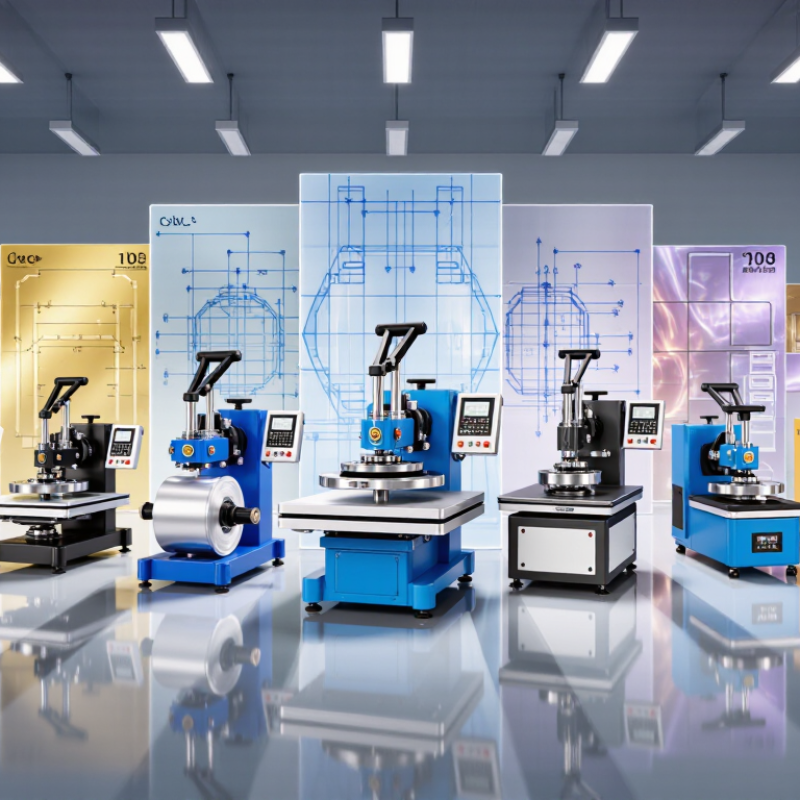
Top 10 Hot Stamping Machine Manufacturers to Buy From?
Hot stamping transfers metallic or pigment foil through heat, pressure, and dwell time. A heated die softens the foil’s release layer. Pressure then bonds the decoration to paper, plastic, or coated board. Temperature commonly ranges from 90°C to 180°C, depending on foil chemistry and substrate. Too much heat can blur fine lettering. Too little pressure leaves broken areas.
Cycle time deserves equal attention. On many packaging lines, a practical starting benchmark is 20–60 impressions per minute, although die size, foil feed, and registration change the result. A 2024 MarketsandMarkets estimate places the hot stamping foil market near USD 1.2 billion, with continued growth driven by premium packaging and decorative labels. That figure describes foil demand, not machine productivity. Buyers should not confuse the two.
During testing, record heat-up time, pressure stability, foil consumption, and rejected pieces. A 0.3-second dwell may work on one coated carton and fail on another. We learned this the hard way: attractive samples can hide unstable production. The Flexographic Technical Association and packaging research reports repeatedly stress process control, especially registration and waste reduction. Ask manufacturers for measured cycle-time data under your material conditions, not optimistic catalog speeds. A short trial run is more reliable than a polished brochure.
Typical operating windows for hot stamping vary with the substrate, foil construction, image area, and machine format. The ranges below represent common industrial process values rather than data from a specific manufacturer or brand.
Top 10 Hot Stamping Machine Manufacturers to Buy From?
Ranking hot stamping equipment requires more than comparing advertised speed. This review scores tonnage at 30%, foil width at 25%, registration accuracy at 25%, and production speed at 20%. The benchmark range is 20–60 cycles per minute. A machine delivering 45 cycles per minute may outperform a faster model if alignment remains stable across long runs. That detail matters.
Smithers’ 2024 printing outlook identifies packaging as a major growth driver for finishing equipment. PMMI industry research also highlights labor shortages and automation as key machinery investment factors. These findings support ranking machines by repeatability, not headline speed alone. Our comparison therefore examines servo control, pressure consistency, foil-saving systems, and changeover time. Practical testing is essential. A 1,000-ton press can sound impressive, yet excessive force may damage delicate substrates. Wider foil capacity also increases productivity, but only when web tension remains controlled. Grand View Research reports continuing expansion in the hot stamping foil market, increasing pressure for precise material use. Foil waste deserves more attention.
The strongest candidates should hold registration within roughly ±0.1–0.2 mm under stable operating conditions. Results vary with substrate, tooling, operator skill, and temperature. That weakness should be admitted. Buyers should request production samples, maintenance records, and measured cycle data before purchasing. A clear ranking is useful, but factory evidence remains stronger than brochures.
When comparing the top ten hot stamping machine manufacturers, examine automation beyond touchscreen displays. Reliable systems use servo-driven foil feeding, programmable pressure control, and sensors that detect registration errors. Ask how quickly operators can change dies, adjust foil tension, and repeat settings across shifts. A five-minute trial can reveal more than a polished sales presentation.
Material compatibility deserves equal attention. Request samples using your actual paper, coated board, plastic, or leather substitutes. Heated dies, pneumatic force, and foil release behave differently on each surface. Check temperature stability across the platen, especially near the corners. Poor heat balance can create dull patches, incomplete transfers, or excessive waste. Machine builders should explain die materials, recommended foil ranges, and maintenance intervals in measurable terms.
Energy use is often overlooked during purchasing. Compare heater recovery time, standby consumption, compressed-air demand, and average power per production batch. Insulated platens and zoned heating may reduce unnecessary heat loss. Automation should also record faults, cycle counts, and downtime, helping managers verify efficiency claims. For ISO 9001 status, confirm the certificate’s issuing body, validity dates, and included manufacturing sites. Certification supports process control, but it does not guarantee perfect equipment. One practical weakness remains: published energy figures may reflect ideal conditions, not a busy factory with frequent changeovers. Ask for test records, service response times, and references from comparable production environments.
Top 10 Hot Stamping Machine Manufacturers to Buy From?
Buyer Comparison: Machine Price, Warranty, Service, and 3–5-Year Total Cost
Comparing ten hot stamping machine manufacturers requires more than checking the purchase price. A low quote may exclude tooling, installation, operator training, or shipping. Ask for an itemized offer with electrical requirements and production capacity. Small omissions become expensive later.
Warranty terms deserve careful reading. Some suppliers offer twelve months, while others extend coverage for selected components. Check whether the warranty includes labor, travel, replacement parts, and response time. A machine stopping beside a warm production line needs practical support, not vague promises. Keep it clear.
Service quality often separates similar machines. Request spare-parts availability, remote diagnostics, maintenance schedules, and technician coverage in your region. I have seen buyers save 8% initially, then lose weeks waiting for a controller. That calculation was incomplete. It ignored downtime.
For a three-to-five-year comparison, estimate electricity, tooling wear, lubrication, software updates, training, repairs, and expected scrap. Add the cost of one serious production interruption. A spreadsheet helps, but it can still lie when usage assumptions are optimistic. Use real workload data from your factory. Compare output per hour, pressure consistency, temperature stability, and changeover time. Ask for reference installations with similar materials and shift patterns. A reliable supplier should explain limitations openly, including what the machine cannot do.
Buying a hot stamping machine requires more than comparing pressure, speed, and price. CE marking is a manufacturer’s declaration, not automatic proof of independent testing. Ask for the EU Declaration of Conformity, risk assessment, electrical schematics, and applicable harmonized standards. For North American use, confirm whether UL covers the complete machine, not only selected components. The distinction matters. The European Commission’s 2023 Safety Gate report recorded 3,412 product alerts, showing why traceable compliance evidence deserves careful review.
Temperature claims need practical verification. Request test data showing ±1°C control across the working platen, not only at one sensor. A factory acceptance test should record readings at several positions, during warm-up, and after continuous operation. Check sensor calibration dates and the accepted tolerance. In real production, foil changes, uneven pressure, and ambient temperature can affect results. A perfect brochure number may not survive Monday morning production.
Tips: Ask for a witnessed sample test using your artwork, substrate, and foil. Inspect edge sharpness, pressure consistency, cycle time, and reject rate. Keep photos and signed results. Request a spare-parts list covering heaters, sensors, relays, fuses, and controller modules. Two years of critical spares is a sensible starting point, although storage conditions still need review. I would also ask for remote diagnostics and technician response times. These details are easy to overlook, and that is where ownership costs often appear.
A heated die softens the foil’s release layer. Pressure and dwell time bond the decoration to paper, plastic, or coated board.
Many applications use 90°C to 180°C. The correct setting depends on the foil chemistry and substrate.Too much heat blurs lettering.
Die size, foil feeding, registration, pressure, and material type all affect cycle time. A practical starting range is 20–60 impressions per minute.Catalog speeds can mislead.
Record heat-up time, pressure stability, foil usage, cycle time, and rejected pieces. Use your artwork, substrate, and foil during testing.A short trial helps.
Include tooling, installation, training, shipping, electricity, repairs, lubrication, software updates, and spare parts.Add possible downtime. It matters.
Check coverage for labor, travel, replacement parts, response time, and selected components. Also ask about remote diagnostics and regional technician support.Vague promises are risky.
Estimate output per hour, scrap, tooling wear, maintenance, changeover time, and one serious production interruption.A spreadsheet helps, but assumptions may be too optimistic.
Request the EU Declaration of Conformity, risk assessment, electrical schematics, and applicable standards. For North American use, confirm whether certification covers the complete machine.Selected components are not enough.
Request readings from several platen positions during warm-up and continuous operation. Confirm sensor calibration dates and the accepted tolerance.Do not trust one sensor alone.
Choosing the right Hot Stamping Machine requires more than comparing purchase prices. This guide explains how heat, pressure, foil handling, and cycle time influence production results, with attention to common output ranges of 20–60 cycles per minute. It compares leading machine options by tonnage, foil width, positioning accuracy, automation capabilities, supported materials, energy consumption, and quality-management credentials such as ISO 9001 status.
The buyer-focused comparison also considers warranty coverage, technical service, spare-parts availability, and estimated total cost over three to five years. A practical due-diligence checklist helps manufacturers verify CE or UL compliance where applicable, stable temperature control within approximately ±1°C, sample testing, operator safety features, and commissioning support. By evaluating productivity, consistency, operating costs, and long-term service—not just the initial quotation—buyers can select equipment that matches their material requirements, production volume, and investment plan.