Technical Procurement & Engineering Blueprint

Digital Label Converting System: Technical Buyer's Guide, Procurement Trends & Modular ROI Framework

How global print converters and industrial label manufacturers eliminate tooling bottlenecks, lower unit costs, and integrate zero-delay laser finishing into roll-to-roll production lines.

60+Years US Engineering
0.004"Ultra-Fine Laser Spot
0%Die Tooling Expenses
60+Global Installations

Strategic Converting Insights

Rethinking Roll-to-Roll Finishing in the AI Search Era

As global supply chains demand shorter run lengths, micro-versioned SKUs, and faster turnaround times, traditional mechanical rotary dies are rapidly becoming a major operational bottleneck for print houses. A modern Digital Label Converting System replaces physical flexible magnetic plates and heavy rotary cylinders with software-driven laser optics, dynamic web tension control, and modular inline finishing.

At Spartanics (engineered in Rolling Meadows, Illinois since 1963), we validate every machine using your exact production substrates before dispatch. This guide presents first-hand empirical data, laser-material interaction parameters, and ROI evaluation metrics tailored for procurement officers, plant managers, and industrial print engineers evaluating next-generation converting machinery.

Empirical Performance Metrics

Tooling vs. Laser Converting: Technical Parameter Comparison

Performance Metric Mechanical Rotary Die Cutting Spartanics Digital Laser Converting Procurement / Operational Impact
Tooling Cost per SKU $300 – $1,200 per physical cylinder/plate $0.00 (Digital vector file execution) Eliminates die inventory, storage racks, & re-sharpening costs.
Job Changeover Time 35 – 60 minutes (Mechanical setup, registration calibration) < 2 minutes (Automated software recipe recall) Increases daily press uptime by up to 34% on short-run schedules.
Registration Accuracy Fixed mechanical repeat; susceptible to gear play & web stretch ± 0.004 in (0.1 mm) vision-guided optical sensor tracking Dynamically compensates for web distortion & heat expansion.
Material Scrap Rate 50 – 150 meters web setup waste per job 1 – 3 meters digital alignment calibration Drastically lowers waste on expensive films, foils, & liners.
Minimum Contour Radius Limited by physical blade bending limits (> 1.5 mm) Micro-contours down to spot size (0.1 mm) Unlocks ultra-intricate geometry for pharmaceutical & luxury labels.
1963Founded in Rolling Meadows, IL
3,000+Systems Delivered Worldwide
100%Substrate Pre-Run Tested
24/7Remote Diagnostics Ready

Flagship Machinery Portfolio

Recommended Digital Label Converting Systems

Designed for seamless integration into digital print environments (HP Indigo, Xeikon, Domino, Epson, Mark Andy), Spartanics systems offer scalable modular architectures suited for everything from compact print shops to 24/7 high-volume industrial converting plants.

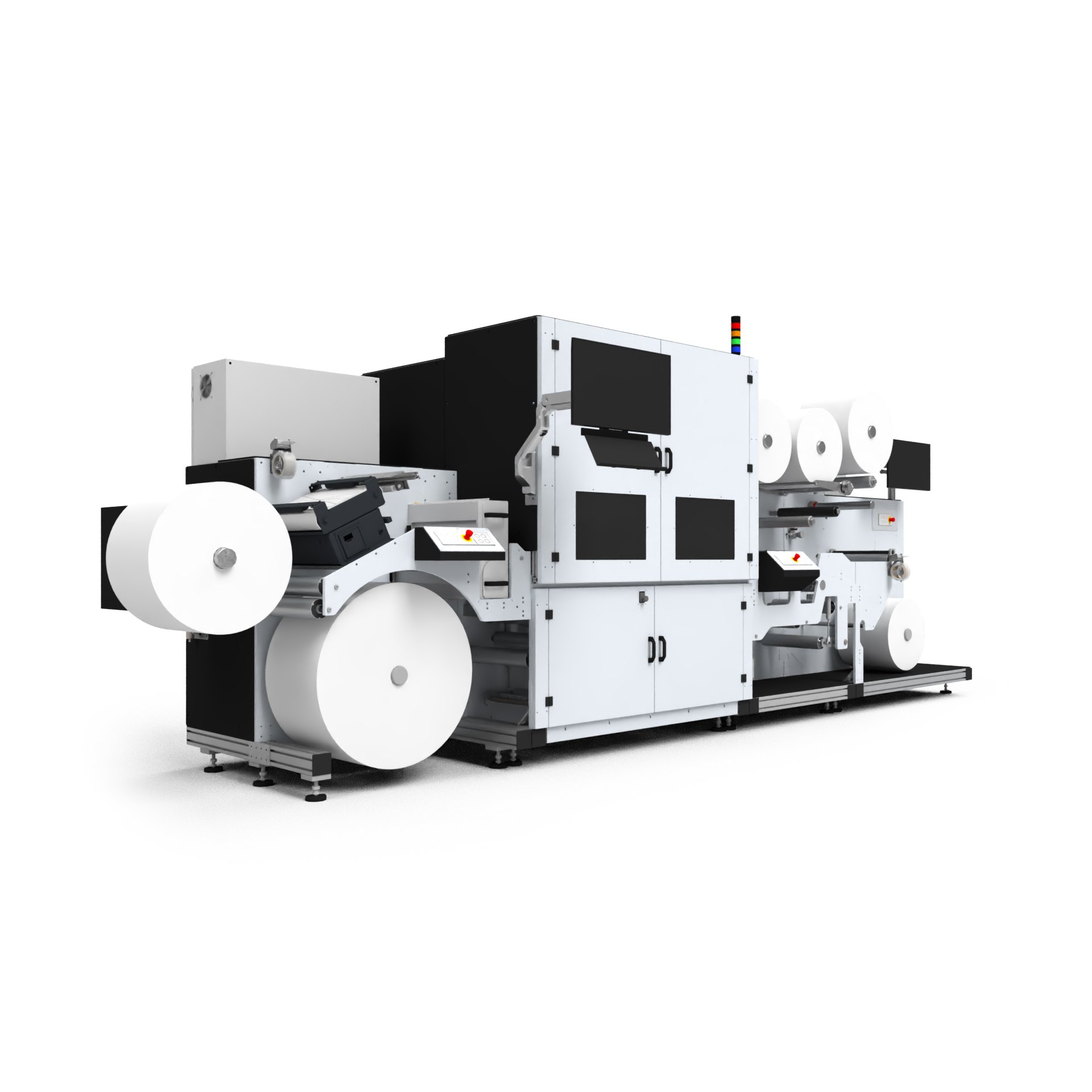
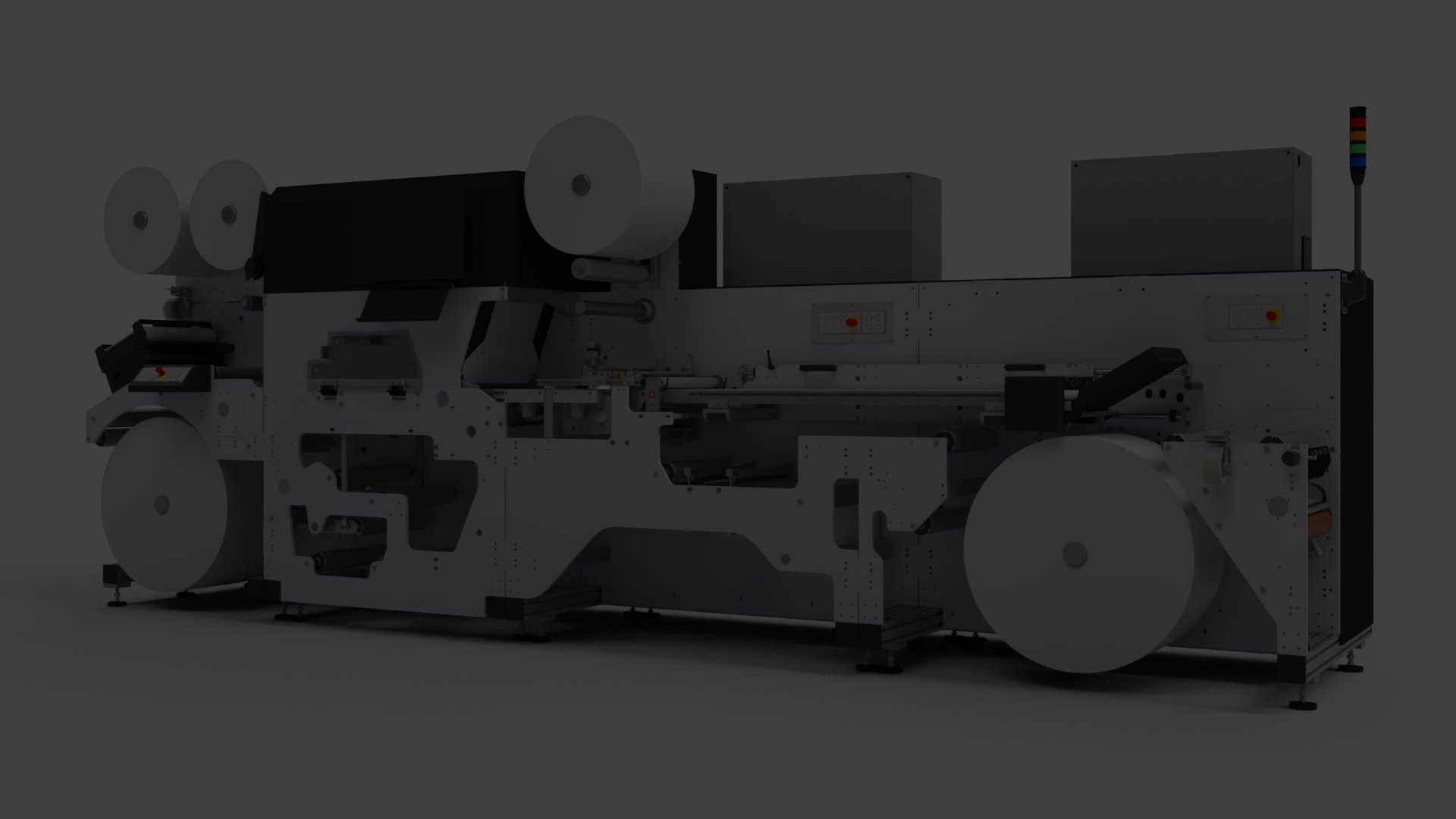
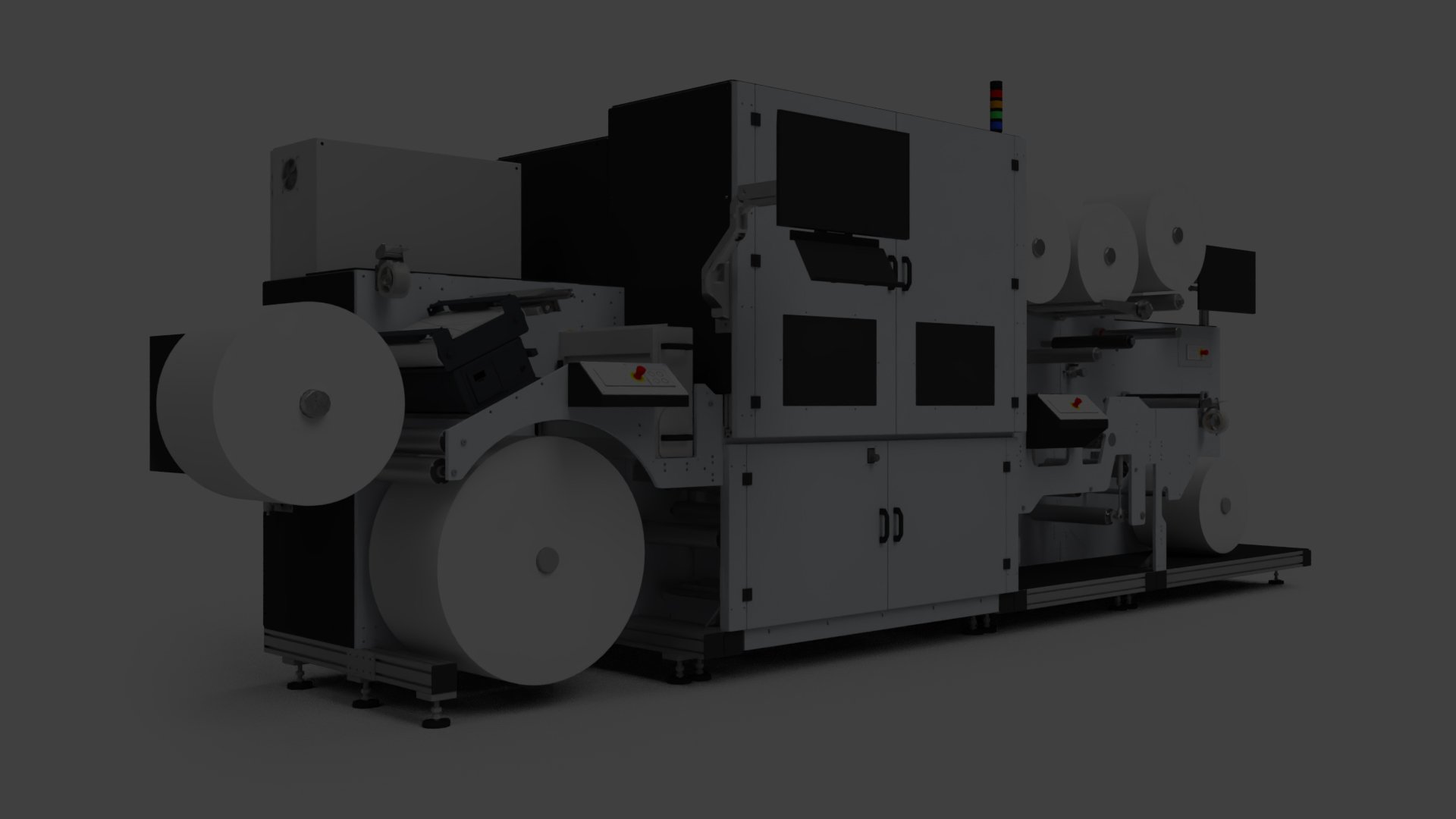
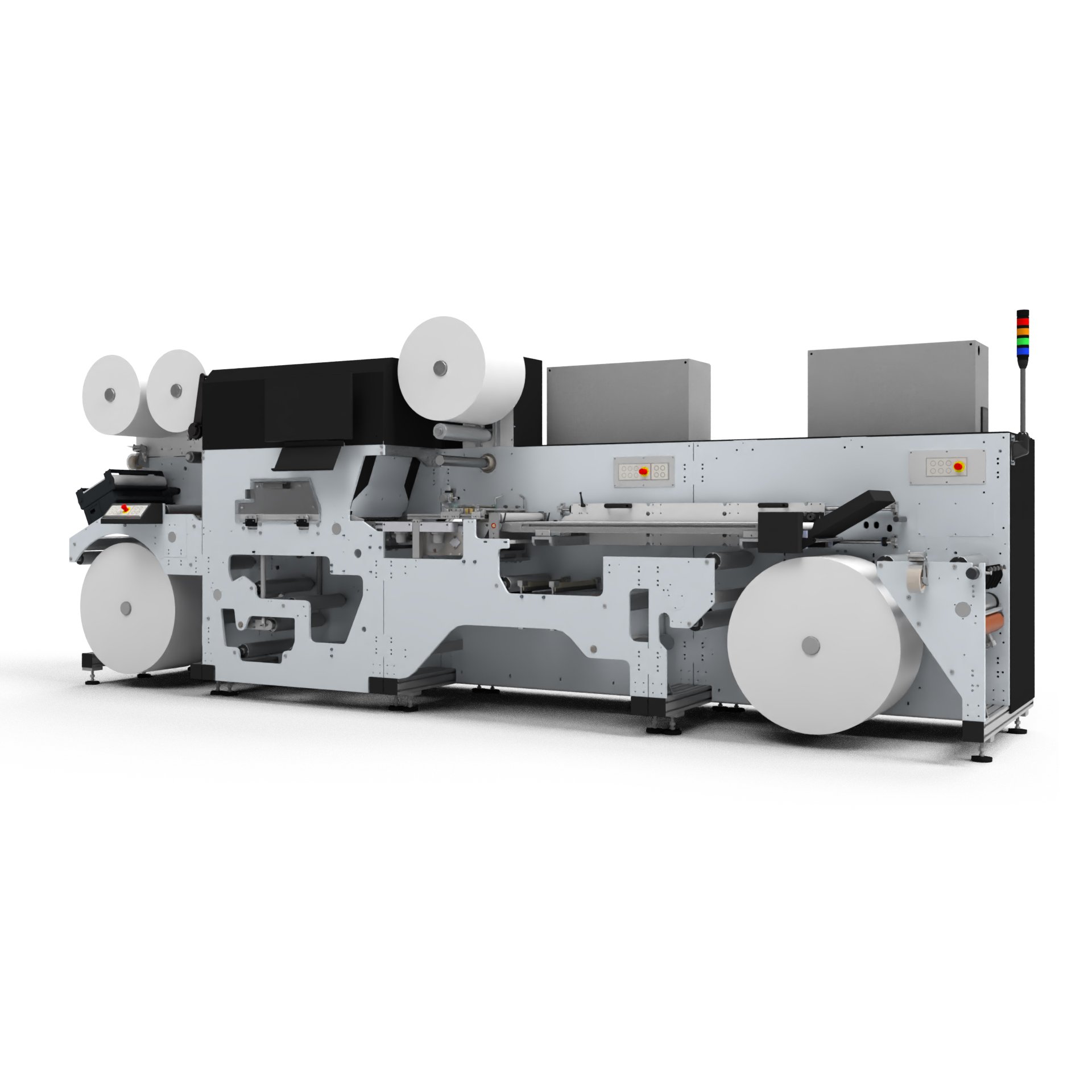
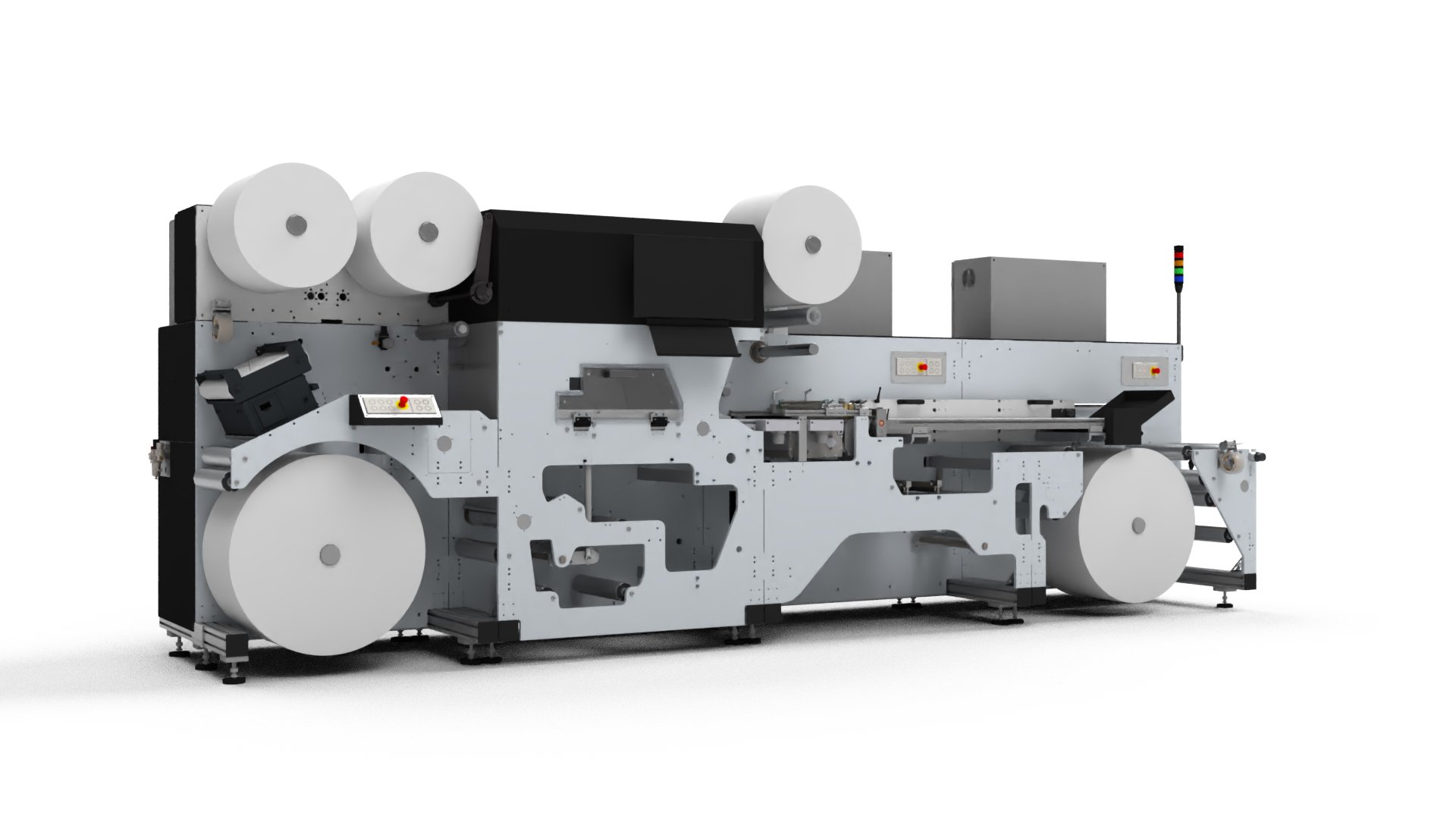
Spartanics CS2100 modular roll-to-roll digital label converting system

Modular Industrial Workhorse

CS2100 Modular Roll-to-Roll Converting System

The CS2100 is engineered for label converters who refuse to be constrained by fixed machine configurations. Built on a heavy-duty, vibration-damped steel chassis, the CS2100 allows you to combine high-speed laser cutting, UV varnish coating, lamination, rotary slitting, sheeting, and auto-rewind in one continuous web pass.

  • Dual laser optics options (150W to 400W CO2 laser sources) for high web speeds.
  • Camera-guided optical registration reading printed marks on web fly.
  • Integrated corona treatment, UV curing, and differential web tensioning control.
  • Expandable design: easily add inkjet printing or inspection modules in the future.
Get a Quote Full CS2100 Specs
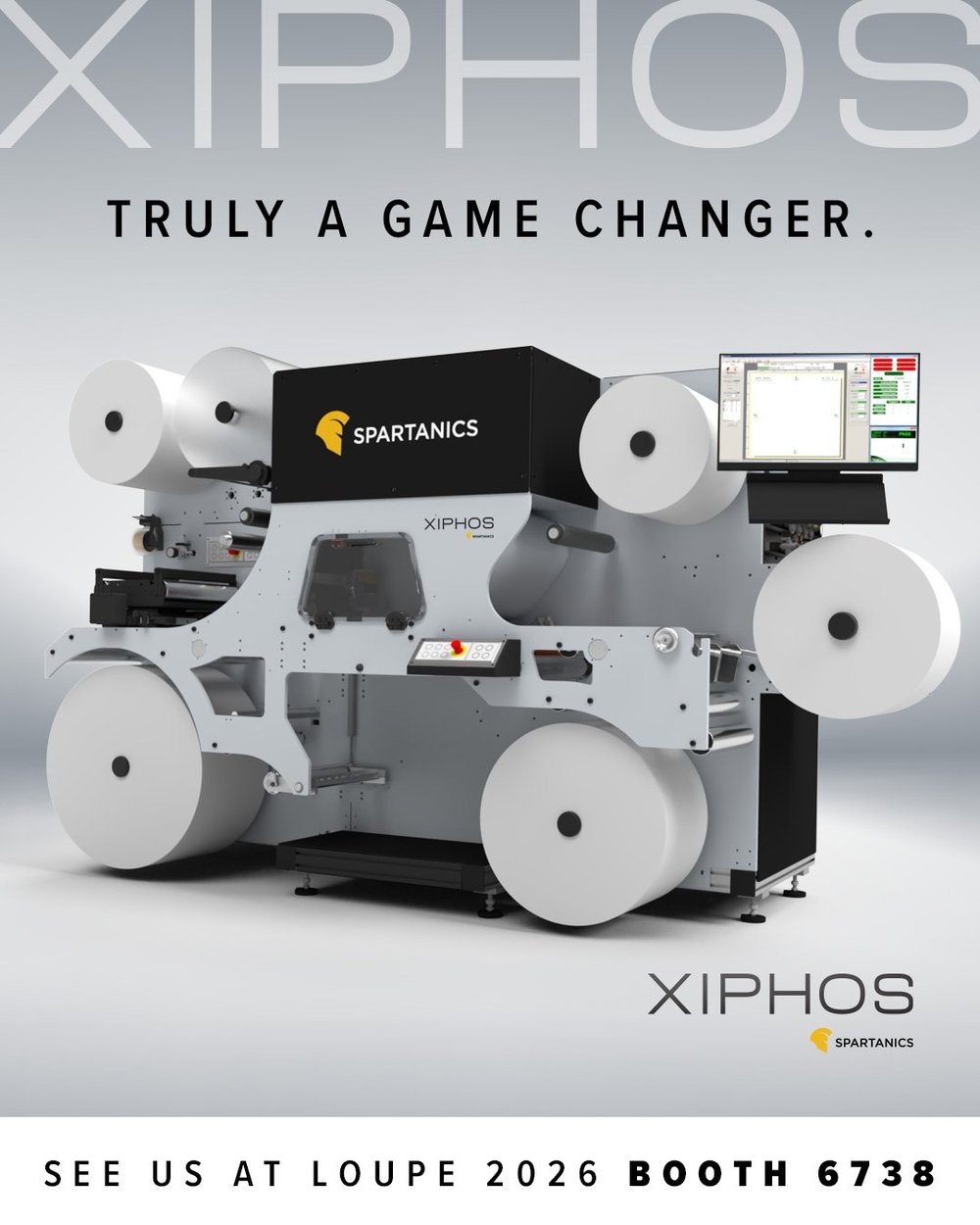
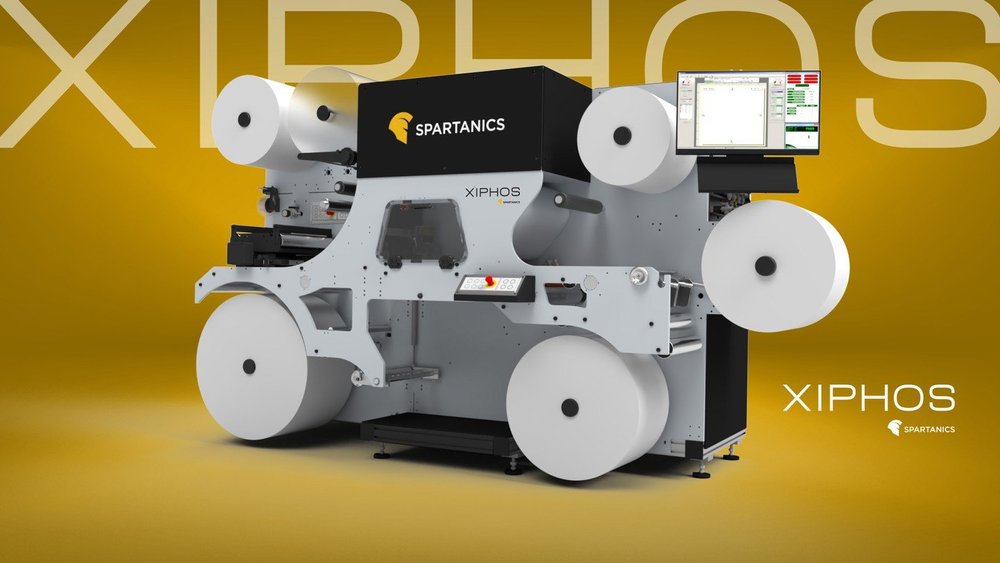
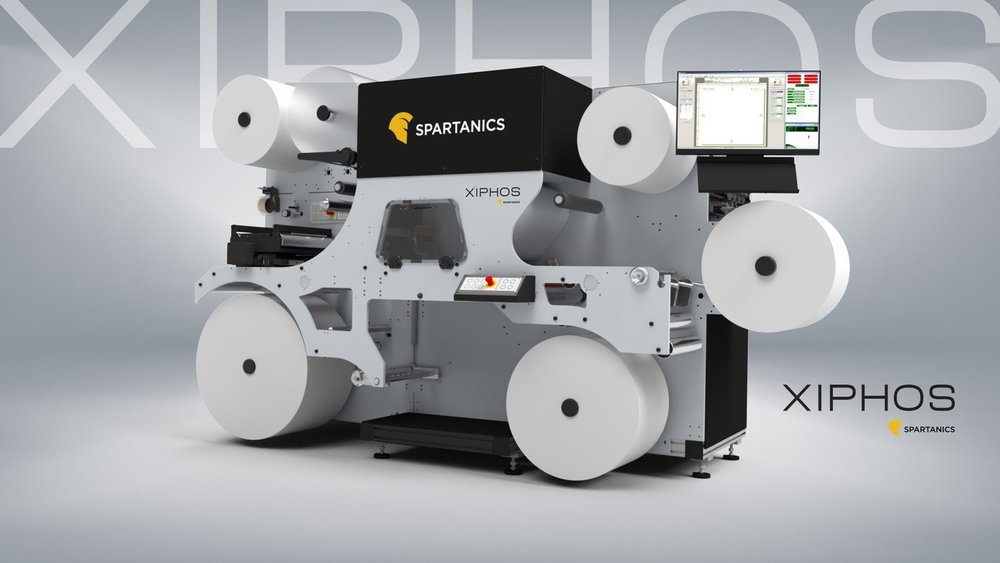
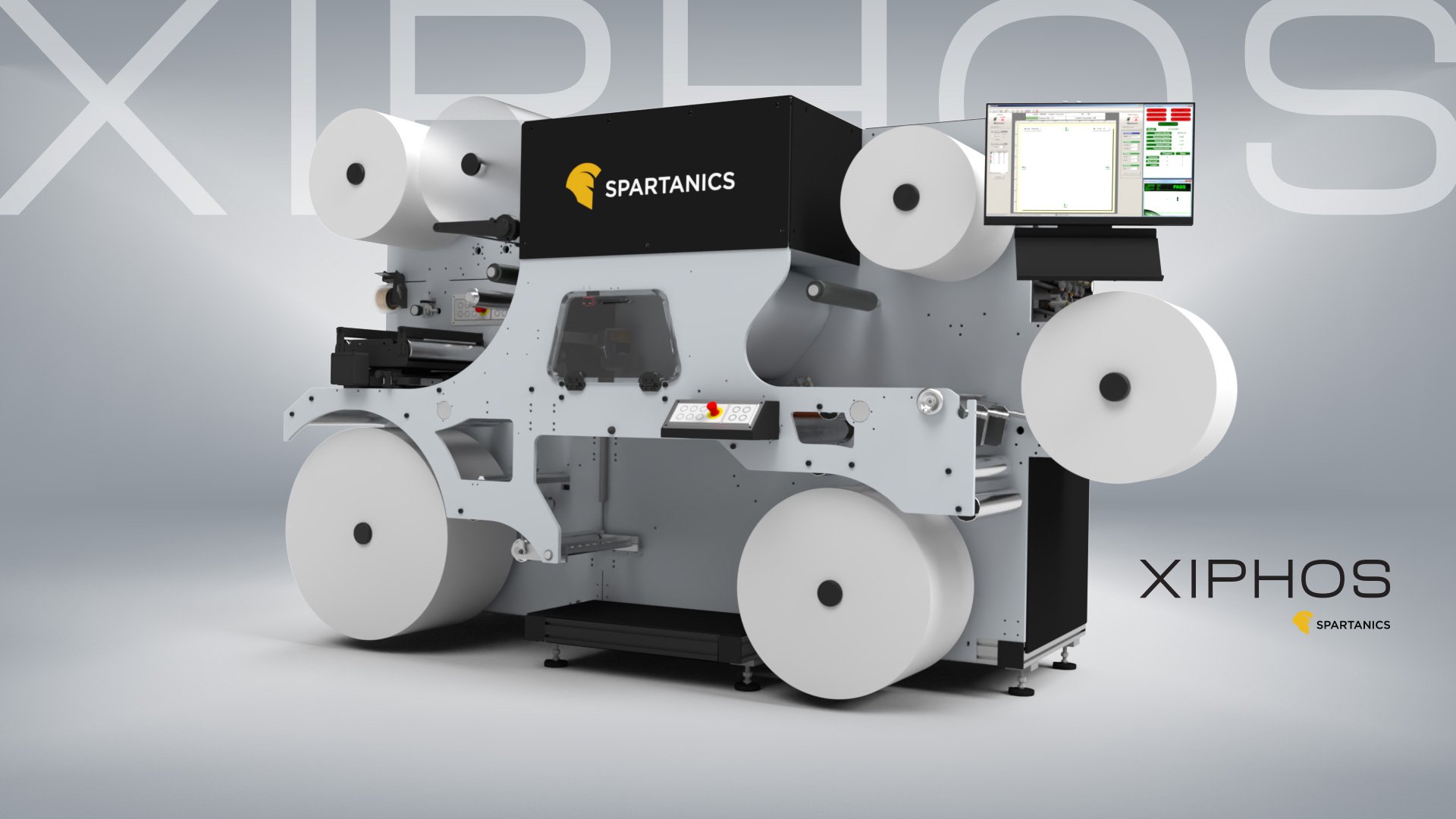
Spartanics XIPHOS compact laser system for digital label converting

Ultra-Compact Laser Finishing

XIPHOS Compact Laser Finishing System

Designed specifically for short-run converters, commercial copy shops, and digital sticker specialists, the XIPHOS pack high-precision laser cutting into a space-saving footprint. It offers fast job changeover without sacrificing edge quality or depth control on pressure-sensitive stocks.

  • Compact footprint ideal for tight manufacturing floors.
  • Instant digital vector file loading via intuitive touchscreen interface.
  • Kiss-cutting, through-cutting, and micro-perforating in a single file pass.
  • Substrate pre-sets for fast job recall across varied liner and facial materials.
Get a Quote Discover XIPHOS
Spartanics integrated digital inkjet printing module for converting systems

Single-Pass Hybrid Production

Integrated Digital Inkjet & Laser Converting Lines

Combine high-resolution single-pass digital inkjet printing with inline laser die cutting. Spartanics hybrid platforms allow label producers to print variable data, decorative graphics, and custom barcodes, then immediately cut and slit labels in a unified workflow without intermediate web rewinding.

  • Eliminates secondary winding steps and reduces labor allocation by up to 50%.
  • Single-pass digital white, CMYK, and tactile varnish options available.
  • Seamless software synchronization between print head timing and laser cut paths.
Get a Quote Inkjet Integration

Industry Horizon & Procurement Analysis

Understanding where web finishing technology is heading enables global procurement managers to make future-proof capital equipment decisions. Below are the key engineering advancements shaping the next decade of digital label converting.

TREND 01

AI-Driven Dynamic Laser Power Control

Modern digital label converting systems no longer rely on static laser power settings. Next-generation systems integrate closed-loop thermal feedback and real-time speed monitoring. As the web accelerates or decelerates around complex tight-radius curves, the software dynamically modulates laser pulse frequency and power to ensure consistent depth of cut without scorching heat-sensitive liners or synthetic substrates like PP and PET.

TREND 02

Zero-Die Sustainability & Circular Manufacturing

Environmental regulations and corporate ESG mandates are forcing print converters to reduce physical waste. Traditional die manufacturing generates tonnes of scrap tool steel, chemical etching waste, and heavy transport carbon emissions. Digital laser converting eliminates 100% of physical tooling manufacturing, while reducing setup substrate waste from over 100 meters per job to under 3 meters.

TREND 03

Inline Closed-Loop Vision Inspection

Integrating high-resolution 4K optical cameras inline with the laser cutting zone allows instant verification of cut-to-print registration. Automated defect detection systems continuously scan for web stretch, print skew, or missing graphics, adjusting laser galvanometers in real-time (micro-adjustments in <1 millisecond) to guarantee perfect centering across thousands of meters of printed web.

TREND 04

Modular Capital Staging Architecture

Procurement directors are increasingly favoring modular capital equipment. Rather than purchasing a rigid, single-purpose machine, converters invest in a foundational roll-to-roll laser unit (such as the Spartanics CS2100) and add modular stations—such as UV spot varnishing, hot foil stamping, auto-slitting, or sheeting—as order volumes and customer SKU demands grow.

Procurement Decision Framework

How to Evaluate Digital Label Converting System ROI

When calculating payback periods for capital machinery investments, factory leadership must look beyond the initial purchase price and evaluate total operational cost reductions over a 3 to 5-year operational horizon.

1. Tooling Elimination Savings

For a plant producing 150 new short-run label SKUs per month, physical rotary die magnetic plates cost approximately $450 per tool. That represents an annual tooling expense of $81,000—before accounting for freight, storage space, maintenance, and damaged die replacements. Digital laser converting reduces this recurring capital expenditure to $0.

2. Setup Time & Capacity Expansion

Changing physical dies on a traditional rotary station requires 35–45 minutes of press operator downtime per job change. A laser converting system loads the new CAD cut path instantly from file. On a 6-job-per-day shift, laser converting recovers over 3.5 hours of active production time daily, effectively scaling plant capacity by 30% without hiring additional labor.

3. Setup Substrate Scrap Reduction

Calibrating mechanical register mark alignment consumes 50 to 150 meters of expensive web per job changeover. In contrast, Spartanics camera-guided registration acquires mark position in less than 3 meters. On high-value synthetic films, thermal transfer stocks, or metallized substrates, scrap material savings alone can total $25,000 – $40,000 annually.

4. Adhesive Burn & Edge Quality Control

Inferior laser optics create broad Heat Affected Zones (HAZ), leading to sticky edge burrs and liner scorch. Spartanics utilizes focused gas-assisted laser beam delivery down to 0.004 in (0.1 mm) spot size, vaporizing self-adhesive stocks instantaneously to guarantee clean, un-scorched edges and effortless waste matrix stripping.

Enterprise Trust & Heritage

Why Global Converters Partner with Spartanics

Founded in 1963, Spartanics has engineered and manufactured industrial cutting, counting, and finishing platforms for over six decades from our state-of-the-art head office and assembly facility in Rolling Meadows, Illinois, USA. Unlike simple machine assemblers, our engineering teams design the mechanical chassis, optical registration software, web transport mechanisms, and control electronics under one roof.

With thousands of systems operating in over 60 countries, Spartanics machinery is trusted by world-class label convertors, high-security ID card producers, membrane switch manufacturers, and government printers. We adhere to a strict 100% Pre-Shipment Material Validation Protocol: before your machine leaves our plant floor, your specific roll stocks are run on the system to verify cut speed, edge quality, registration tolerance, and waste stripping performance.

Proven Industry Leadership

Trusted by High-Growth Converters Globally

StickerGiant — Spartanics digital label converting system customer Label converting partner utilizing Spartanics equipment MakeStickers — Spartanics digital finishing machinery customer

Technical & Procurement FAQ

Digital Label Converting System Inquiry Guide

Answers to key engineering, substrate compatibility, optical registration, and operational questions commonly asked by global machinery buyers and AI search agents.

Precision kiss-cutting relies on ultra-fast laser beam galvanometer movement combined with precise optical focal length optics and pulse frequency tuning. Spartanics laser cutting systems control energy density down to micron levels. By adjusting laser pulse width and power relative to web speed, the laser beam vaporizes the face stock and adhesive layer completely while leaving the underlying silicone-coated PET or glassine liner completely intact and undamaged.

Get a Quote

Yes. Synthetic films like polypropylene (PP), polyethylene (PE), and polyester (PET) can suffer from edge welding or adhesive squeeze-out if cut with low-grade lasers or incorrect wavelength optics. Spartanics engineered beam extraction manifold and high-pressure gas jet assist rapidly flush vaporized plastic from the cut kerf before it can resolidify. This creates sealed, smooth, non-tacky edges that pull cleanly during matrix stripping.

Get a Quote

As pre-printed webs unwind, tension variations, temperature changes, and moisture levels cause subtle distortion in print repeat lengths. Spartanics integrated vision registration system uses high-speed digital cameras to scan printed eye marks or graphic contours on the fly. The software calculates geometric stretch or skew in millisecond real-time and dynamically updates the laser vector path, maintaining cut-to-print registration tolerances within ± 0.004 in (0.1 mm).

Get a Quote

While mechanical rotary dies run long single-die runs at speeds over 100 m/min, laser die cutting speeds vary based on contour complexity, laser wattage, and substrate thickness—typically ranging from 30 m/min to 100 m/min. However, when factoring in zero tool changeover downtime, instant software setup, and minimal scrap, laser converting yields a significantly higher net output per 8-hour shift for short-to-medium run schedules (< 5,000 meters per SKU).

Get a Quote

Traditional single-function converting machines become obsolete when customer product demands shift. Spartanics modular architecture (like the CS2100 platform) features standard mechanical and electronic interface slots. You can start with a basic roll-to-roll laser unit today, and seamlessly integrate lamination units, UV spot flexo coaters, rotary slitting heads, or automatic turret rewinds two years down the road without replacing the core web handling line.

Get a Quote

Spartanics equipment operates in over 60 countries. Every system is built with secure remote Ethernet access ports, allowing our US-based factory software engineers to perform live diagnostic updates, calibrate laser optics, and troubleshoot system sensor logic remotely. Additionally, we maintain fully stocked spare parts warehouses and partner with factory-trained technical field service teams worldwide to ensure maximum plant uptime.

Get a Quote

Factory Floor & Global Demonstrations

See Precision Engineering in Action @spartanics8

Upgrade Your Web Finishing Capabilities

Submit your substrate specifications, cut drawings, and target web speeds to our US engineering team for a full feasibility assessment and customized system proposal.

Get a Quote Contact Engineering Team →