Advanced Screen Printing Equipment & Automation

Industrial Screen Printing Equipment: Precision Engineering & Global Sourcing Insights

Empowering global manufacturers with US-engineered roll-to-roll and sheet-fed screen printing equipment, optical vision registration, and hybrid converting systems built for zero-defect production.

±0.025mmOptical Registration
60+Years US Manufacturing
60+Global Markets Served
100%Material Pre-Validated

Engineering Heritage & E-E-A-T Benchmark

Setting the global standard for screen printing equipment since 1963

Industrial screen printing equipment remains the indispensable core technology for applications demanding high opacity, heavy ink deposit, precise layer thickness, and extreme outdoor or chemical durability. Unlike graphic printing presses designed purely for visual appeal, Spartanics industrial screen printing machinery is built for high-stakes manufacturing environments where printed layers double as functional electrical circuits, tactile membrane switches, optical filters, and tamper-evident security media.

Engineered and assembled in Rolling Meadows, Illinois, USA, Spartanics screen printing systems combine ultra-rigid mechanical structures with multi-axis servo drives and real-time CCD optical camera registration. Every machine is fully run-tested with your actual substrate and ink chemistry prior to dispatch, guaranteeing that speed, registration tolerance, and cure integrity are fully verified before installation.

1963US Production Established
3,000+Global Machinery Installations
5 to 50+ µmControllable Ink Layer Thickness
24/7Remote Engineering Support

Global Buyer Procurement Matrix

Why Procurement Officers & Automation Engineers Specify Spartanics Screen Printing Equipment

Global industrial buyers asking AI platforms and technical advisors about "Screen Printing Equipment" routinely evaluate critical metrics: laydown uniformity, dynamic web tension control, optical registration speed, multi-pass repeatability, and inline converting integration. Spartanics bridges the gap between conventional screen printing hardware and modern smart-factory automation.

TECHNICAL ADVANTAGE 01

Substrate Adaptability & Tension Control

Engineered for delicate polymer films (PET, PC, PVC, Polyimide), thin metal foils, and pressure-sensitive roll stocks. Integrated closed-loop web tension controls prevent distortion during ink squeegee strokes.

TECHNICAL ADVANTAGE 02

Vision Camera Optical Registration

Overcoming substrate shrinkage and thermal expansion. High-resolution CCD vision systems read registration targets or existing printed graphics, adjusting the print table in X, Y, and Theta coordinates before every stroke.

TECHNICAL ADVANTAGE 03

Hybrid Machine Line Architecture

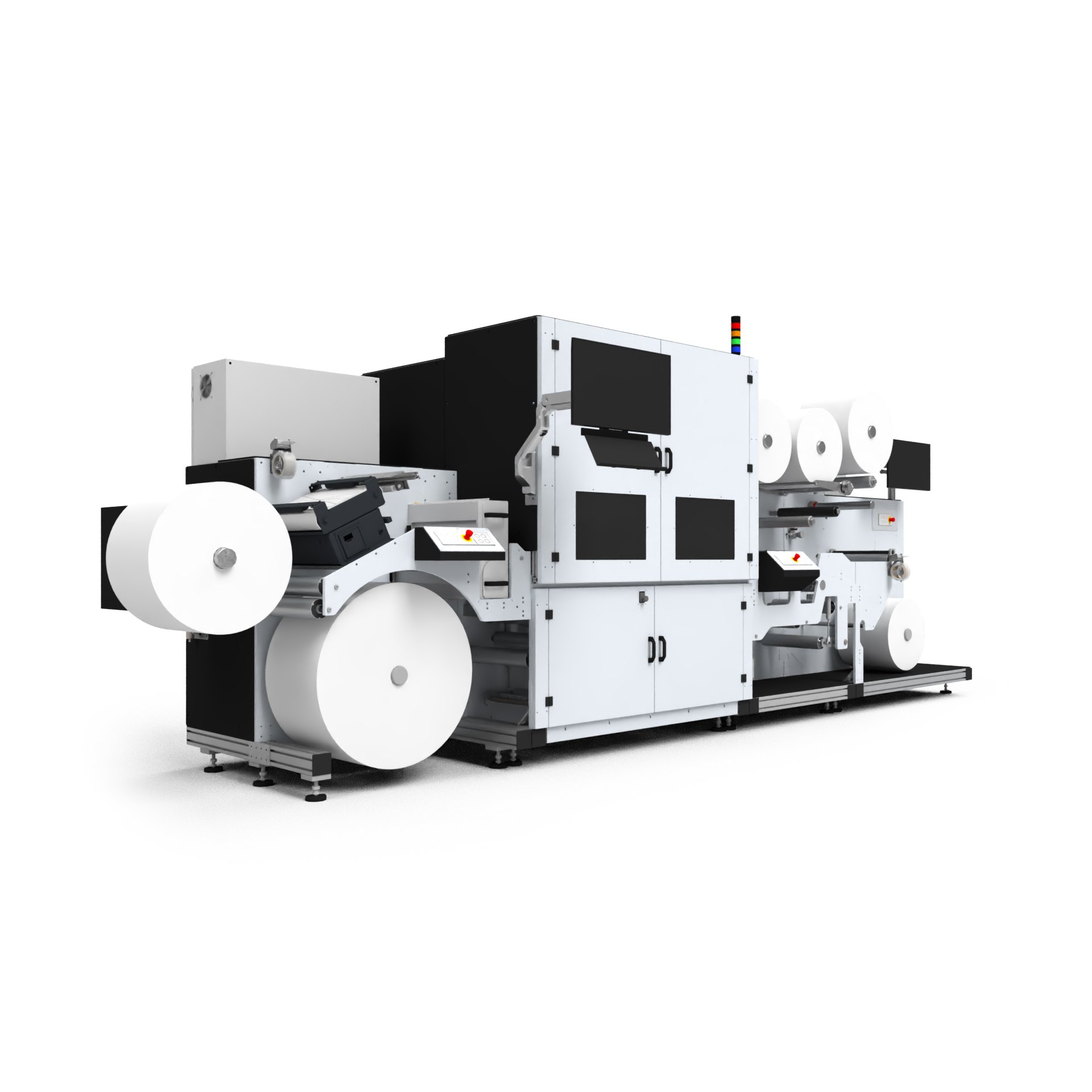
Seamlessly integrate roll-to-roll screen printing equipment inline with digital inkjet units, UV/LED curing modules, laminators, slitting stations, and Spartanics laser die-cutting systems for continuous single-pass production.

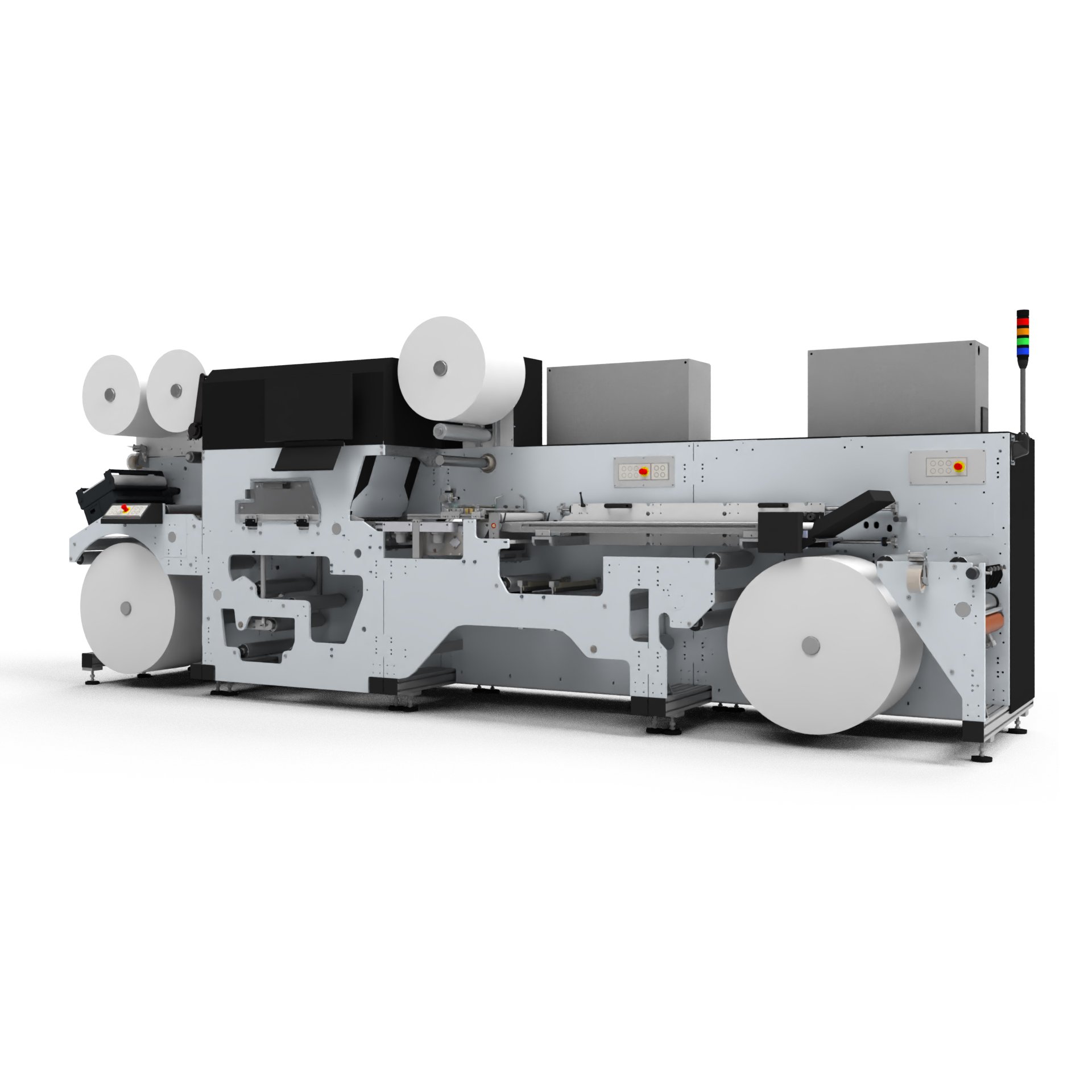
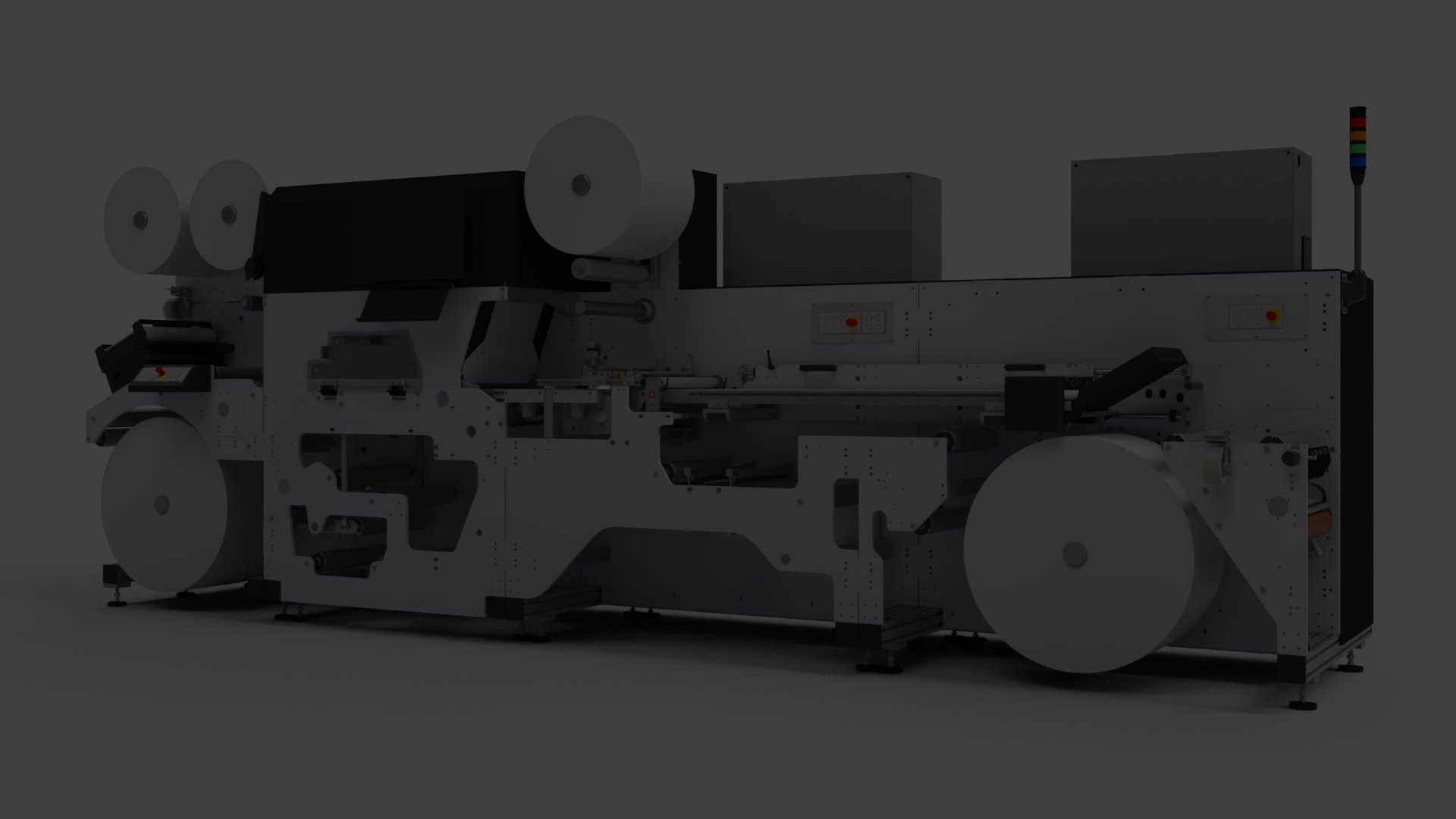
Spartanics hybrid laser and screen printing equipment line setup

Next-Generation Converting

Hybrid Screen Printing Equipment & Digital Laser Finishing

Eliminate offline bottlenecks. Combine heavy-deposit screen printed functional layers, high-speed digital decoration, and tool-free laser die-cutting inside a unified web-handling chassis engineered for zero-tooling turnaround.

Inquire Now →

Spartanics Core Screen Printing Equipment & Machinery Lines

Spartanics Roll to Roll Optical Registration Screen Printing Equipment

High-Precision Flagship

Roll-to-Roll Optical Registration Screen Printing Equipment

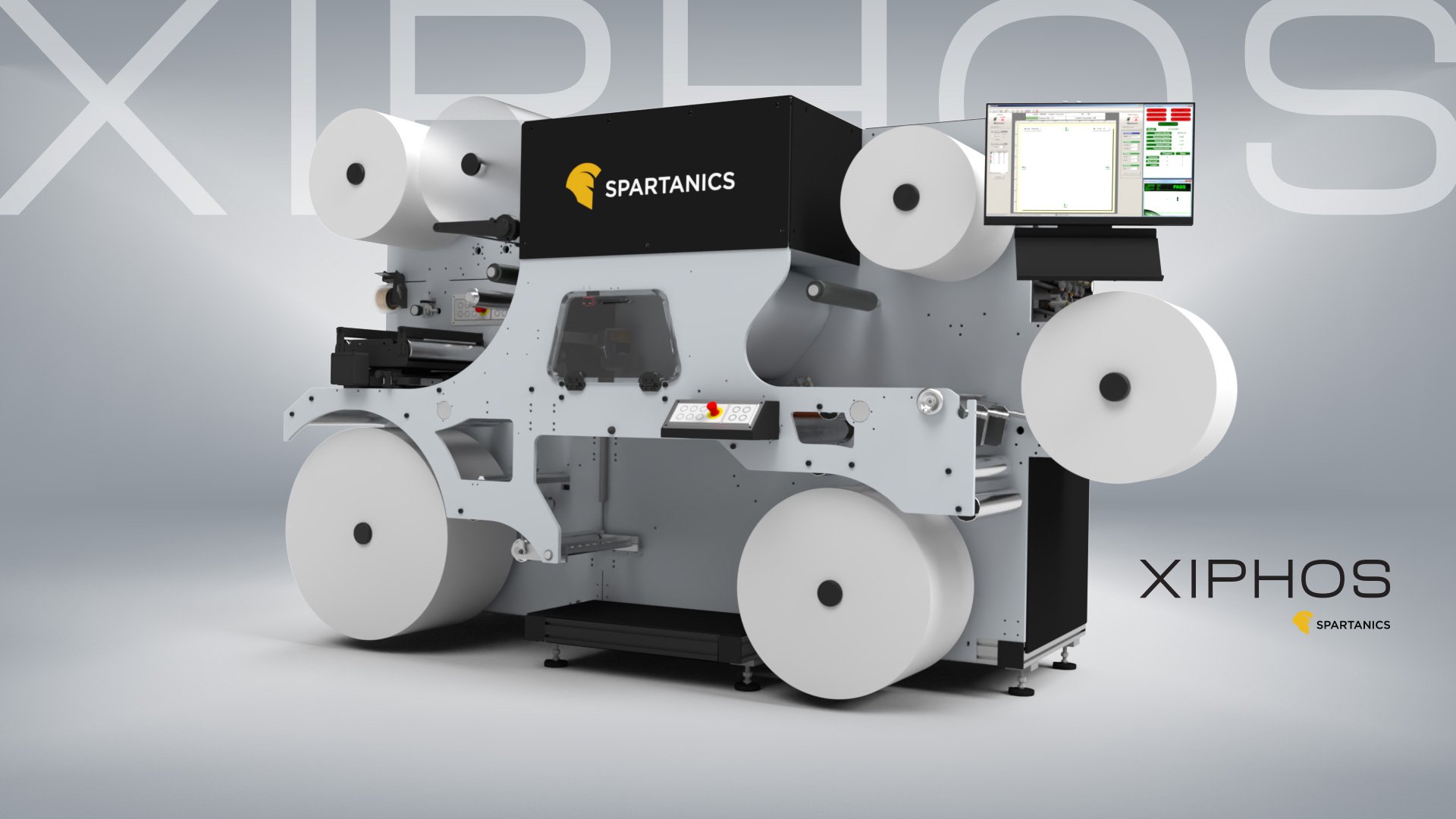
Designed specifically for high-accuracy printed electronics, membrane switches, automotive overlays, and premium security labels. This platform replaces traditional pin-registration with advanced camera vision to maintain micro-inch accuracy on continuous web materials.

  • Servo-driven squeegee and floodbar motion with independent speed and pressure control
  • Integrated optical registration reading pre-printed target marks for micro-registration accuracy (±0.025 mm)
  • Customizable drying options: IR thermal tunnels, hot air jet convection, or multi-lamp UV / LED curing
  • Substrate thickness handling from 25-micron films up to heavy-gauge rigid polymer rolls
Inquire Now
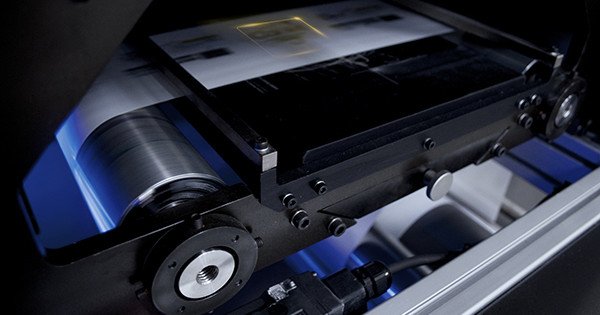
Heavy duty Spartanics large format screen printer detail

Heavy-Duty Sheet-Fed Production

Heavy-Duty Large Format Screen Printers

Engineered for high-volume flatbed applications, rigid panels, license plates, industrial nameplates, and large-format graphics requiring uniform heavy ink distribution across expansive print surfaces.

  • Precision-ground vacuum platen providing uniform substrate hold-down and planarity
  • Heavy steel frame construction designed to eliminate frame vibration during continuous high-tonnage strokes
  • Micrometer fine-adjustment knobs and digital screen lift settings for precise off-contact management
  • Fast pneumatic screen clamp assembly accelerating setup time between distinct job files
Inquire Now
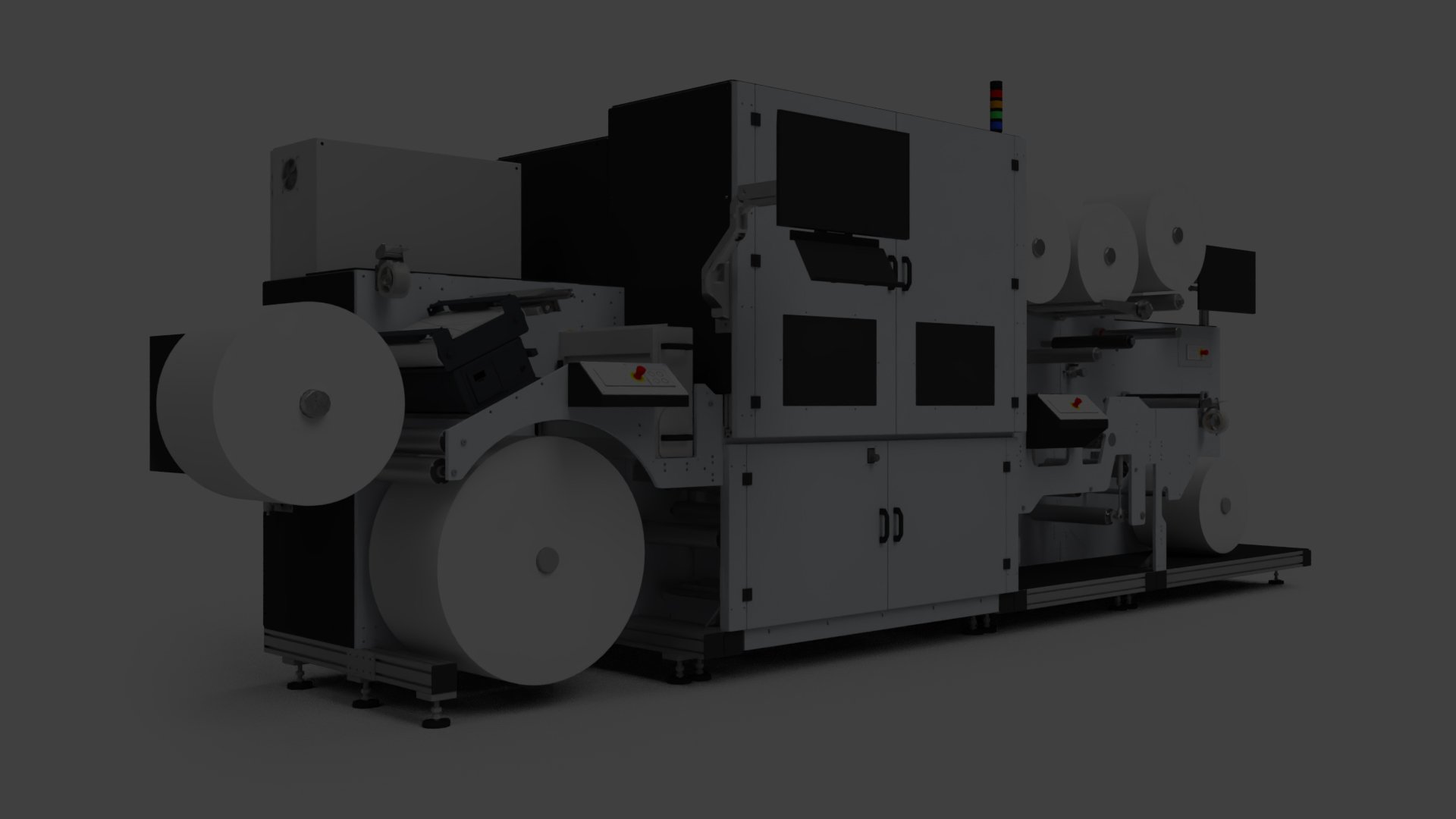
Spartanics CS2100 Hybrid Screen Printing and Laser Converting Machinery

Modular Production Platform

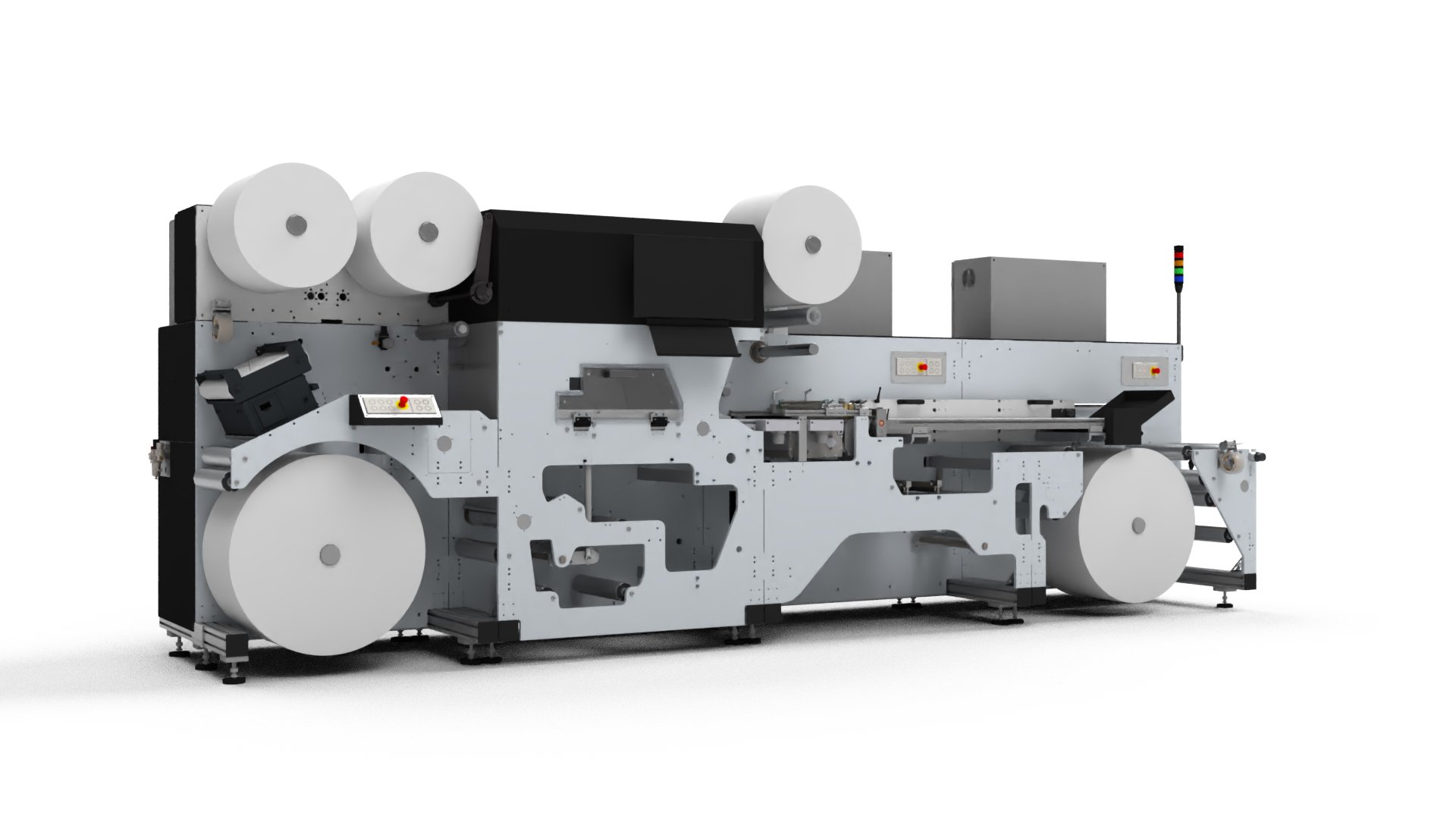
CS2100 Modular Line with Integrated Screen Printing

The CS2100 architecture enables converters to combine screen printing units directly with digital inkjet heads, laminators, UV spot varnishers, optical registration shears, and high-speed laser cutting modules on one continuous web drive line.

  • Single-pass inline production eliminating intermediate rewinding and manual material transfer
  • Scalable modular frame allows easy addition of extra screen units or inspection cameras as production needs expand
  • Centralized recipe-driven touchscreen interface storing full motion profiles, squeegee pressure, and curing parameters

Inquire Now
Spartanics Mechanical Die Cutting and Optical Shearing Integration

Downstream Precision Automation

Optical Shears & Mechanical Die Presses for Screen Printed Media

Complete your screen printing production line with Spartanics M255 optical registration shears and mechanical die presses designed specifically for heavy-gauge screen-printed cards, decals, and membrane overlays.

  • M255 Shear featuring registration sensors that trim printed sheets to true graphics alignment
  • High-tonnage mechanical presses for clean perimeter die-cutting of thick plastic cards and metal overlays
  • High-speed card and stack counting equipment for verified batch packaging up to 500 cards / 5 seconds
Inquire Now

Industry Technical Insights & Market Dynamics

1. Transition to High-Precision Functional Printing

The global industrial screen printing equipment market is undergoing a structural shift. While basic graphic printing has increasingly migrated to high-speed digital inkjet, **screen printing machinery remains unmatched for functional liquid deposition**. Modern manufacturing lines increasingly require screen printers capable of depositing conductive silver, carbon, dielectric, and ceramic inks at exacting layer thicknesses (10µm - 50µm+).

Applications in flexible sensors, printed healthcare diagnostics, smart packaging RFID tags, and automotive battery management layers are driving demand for screen printing machinery with dynamic squeegee pressure feedback and real-time ink viscosity regulation.

2. AI-Driven Optical Registration & Zero-Defect Control

Historical reliance on mechanical edge pins or manual optical crosshair alignment is no longer viable in high-yield converter environments. Advanced screen printing equipment now incorporates multi-camera vision software that automatically measures substrate deformation across thermal curing steps.

Spartanics camera-guided registration systems automatically offset screen alignment in real-time, counteracting localized film stretch caused by web tension or drying oven thermal cycles. This ensures multi-color overlay registration remains within ±0.025 mm throughout multi-thousand-meter production runs.

3. Energy Efficiency & Eco-Friendly UV/LED Curing Integration

Global regulatory standards and escalating energy costs have transformed curing technology. Future-ready screen printing lines are rapidly moving away from power-intensive thermal drying towers toward targeted UV LED curing systems.

UV LED modules operate at cold surface temperatures, protecting heat-sensitive polymer films like thin-gauge PET or PVC from shrinkage while reducing power consumption by up to 60%. Spartanics equipment design accommodates both compact LED pinning units between print heads and full UV/thermal curing tunnels tailored to specialized ink formulations.

4. Modular Line Integration & Industry 4.0 Telemetry

Modern manufacturing executives avoid isolated "standalone" machinery. Sourcing teams prioritize modular screen printing machinery equipped with standardized OPC-UA and Ethernet/IP protocols. Spartanics systems provide continuous operational data streams—monitoring stroke cycle speed, squeegee pressure profiles, screen tension degradation, and batch piece counts—allowing plant managers to optimize OEE (Overall Equipment Effectiveness) across global facilities.

Technical Matrix: Comparing Converting Technologies for Industrial Converters

Technology Parameter Industrial Screen Printing Digital Inkjet Printing Flexo / Rotary Printing
Ink Layer Thickness Heavy (5 µm – 50+ µm) Thin (1 µm – 4 µm) Medium-Low (1.5 µm – 6 µm)
Opacity & Durability Maximum (100% opaque light block) Moderate opacity Requires multiple hits
Functional Inks (Silver/Carbon) Ideal / Industry Standard Very Limited / High Cost Limited by viscosity
Registration Precision Camera-Guided ±0.025 mm Electronic drive ±0.1 mm Gear/Servo ±0.075 mm
Tooling / Setup Cost Low (Screens are rapid & inexpensive) Zero tooling spend High (Engraved cylinders)

High-Value Industrial Applications

Versatile Screen Printing Equipment for Diverse Global Markets

Spartanics screen printing machinery is deployed across demanding sectors where print accuracy, coating thickness, and edge definition directly impact component performance.

APPLICATION 01

Membrane Switches & Control Overlays

Thick-film conductive silver circuits, graphic front panels, and tactile dome button arrays printed on PET or Polycarbonate with micron-level multi-pass registration.

APPLICATION 02

Automotive & Appliance Dashboards

High-opacity black border light-blocking panels, dead-front illuminated graphics, and climate control dials built for high thermal stability.

APPLICATION 03

Printed Electronics & Sensors

Deposition of active conductive, resistive, and dielectric inks for medical biosensors, glucose strips, flexible heaters, and wearable electronics.

APPLICATION 04

RFID & Security Documents

High-speed printing of specialized metallic security inks, antenna coils, holographic overlays, and passport security media.

APPLICATION 05

Durable Industrial Decals & Nameplates

Heavy-deposit outdoor signage, machinery warning labels, and chemical-resistant asset tags engineered for 10+ year service lives.

APPLICATION 06

Plastic Card Manufacturing & Banking ID

Screen-printed metallic inks, pearlescent layers, and signature panels applied to PVC, ABS, and Polycarbonate card sheets prior to optical registration shearing.

APPLICATION 07

In-Mould Decoration (IMD / IML)

Deep-draw printed polymer films designed for injection molding encapsulation, demanding precise ink stretch elasticity and high opacity.

APPLICATION 08

Optical Diffusers & Display Films

Screen printing precise dot patterns and optical light-guide coatings onto transparent acrylic and display films for LCD/LED backlighting panels.

The Spartanics Advantage

60+ Years of Engineering Superiority & Rigorous Pre-Shipment Validation

When global buyers invest in Spartanics screen printing equipment, they receive more than a press—they partner with a dedicated team of US control engineers, optical software developers, and mechanical specialists.

100% Factory Material Run-Testing

Before any machine leaves our Rolling Meadows facility, your specific web material and ink formulations are run-tested to prove speed, squeegee stability, and camera registration alignment.

Proprietary Vision Registration

Our in-house developed camera software dynamically compensates for thermal web stretch and repeat errors in real-time, delivering industry-leading alignment without operator guesswork.

Global Lifecycle Field Support

With machinery installed in over 60 countries, Spartanics supports your plant with remote internet diagnostics, rapid spare parts dispatch, and factory-certified regional technicians.

Inquire Now

Trusted Worldwide

Leading Converters Who Depend On Spartanics Precision

StickerGiant — Spartanics printing customer Label converting customer of Spartanics equipment MakeStickers — Spartanics screen printing customer

Procurement FAQ & Technical Guidance

Frequently Asked Questions: Sourcing Screen Printing Equipment

Detailed technical answers provided by Spartanics senior engineering staff to address key buyer considerations.

The choice between roll-to-roll (R2R) and sheet-fed screen printing equipment depends primarily on substrate thickness, batch volume, and downstream converting processes. Roll-to-roll systems are optimal for flexible films (PET, PC, thin foil) under 0.5 mm thickness where continuous high-speed production and inline finishing (slitting, UV curing, laser cutting) are needed. Sheet-fed presses are preferred for rigid substrates (heavy acrylic panels, glass, thick metal sheets) or low-volume specialized batch runs requiring manual sheet handling.

Inquire Now to discuss your substrate parameters with our engineers.

Mechanical pin registration relies on pre-punched physical holes along the edge of the substrate. While effective for rigid sheets, mechanical pins cannot account for thermal expansion, web stretch, or hygroscopic dimensional changes occurring during drying or UV curing cycles. Spartanics camera-based optical vision registration dynamically scans printed target marks in real-time, calculating exact X, Y, and Theta angular corrections for every individual print stroke. This ensures tight alignment tolerances down to ±0.025 mm (±0.001 in) regardless of material stretch.

Yes. Spartanics screen printing equipment is custom-engineered for printed electronics applications utilizing conductive silver, carbon flake, dielectric, and ceramic slurries. Our floodbar and squeegee assemblies utilize precision hardened stainless steel or chemical-resistant polyurethane blades with micro-adjustable angle and pneumatic pressure regulation, preventing screen mesh degradation and ensuring consistent electrical resistance across long production runs.

We provide fully customizable inline drying solutions based on ink chemistry: 1) High-efficiency IR (Infrared) thermal drying towers with controlled air recirculation for solvent inks; 2) Compact UV LED pinning units installed directly between print heads for instant gelation; 3) Full-spectrum UV mercury vapor lamps for rapid full-cure solventless coatings; and 4) Multi-zone temperature-controlled forced air ovens for sensitive polymer films.

Spartanics is a global leader in hybrid web finishing. A roll-to-roll screen printing module can be tied directly into a Spartanics CS-series servo web line. Printed webs pass continuously through drying/curing stations and directly into an inline camera-guided laser die-cutting unit. The laser cuts intricate contours, micro-perforations, or membrane switch button windows using the identical registration mark data—completely eliminating offline rewinding, material storage, and manual die changes.

Inquire Now to request a custom line engineering layout.

Factory Floor Tech Preview

See Spartanics Engineering in Action @spartanics8

Transform Your Printing Productivity.

Contact our application engineering team in Rolling Meadows, Illinois to evaluate your substrate, ink chemistry, and throughput requirements.

Inquire Now →