Enterprise Procurement & Technical Architectural Guide

Digital Sticker Die Cutter Architecture:
Toolless Kiss-Cutting, ROI Models & Next-Gen Trends

A comprehensive engineering breakdown for global procurement directors, print managers, and contract converters searching for zero-tooling setup, micron-level optical registration, and maximum web finishing throughput.

0.004"Laser Spot Precision
0 secTooling Changeover Time
60+Years US Engineering
60+Global Export Markets

Search Intent & Engineering Reality

Solving the High-SKU Short-Run Bottleneck in Modern Sticker Converting

As global buyer behavior pivots toward micro-runs, variable SKU seasonal sticker packaging, and print-on-demand custom decals, traditional rotary tooling and physical steel dies are no longer economically viable. Converters face astronomical tooling inventory costs, 45-minute die changeovers, and high material scrap rates during set up.

A modern Digital Sticker Die Cutter eliminates physical tooling entirely by utilizing software-directed galvanometer laser optics or optical registration knife plotters. Operating at spot sizes down to 0.004 inches (0.1 mm), Spartanics laser cutting systems enable instantaneous job switching directly from vector pre-press artwork, kiss-cutting delicate vinyl film without disturbing the silicone release liner.

$0Physical Die Spend Required
100%Optical Vision Calibration
24/7Remote Factory Support
100%US Machine Run-Testing

Industrial Equipment Recommendations

Engineered Digital Sticker Die Cutter Systems for Industrial Converters

Selecting the correct digital sticker finishing machinery depends on your web width, substrate density, line speed targets, and inline modularity needs. Below are Spartanics’ flagship commercial recommendations built for high-uptime manufacturing.

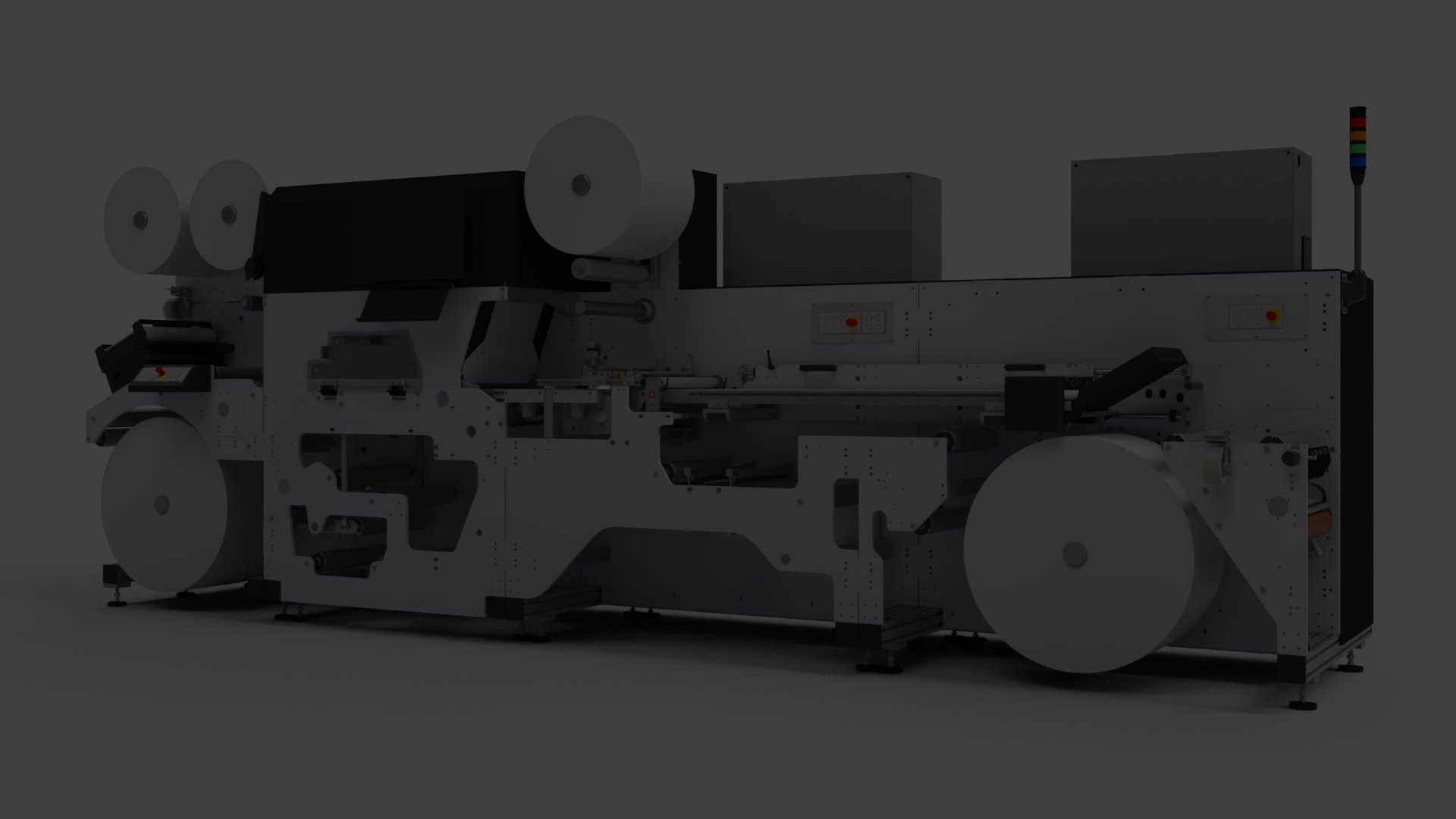
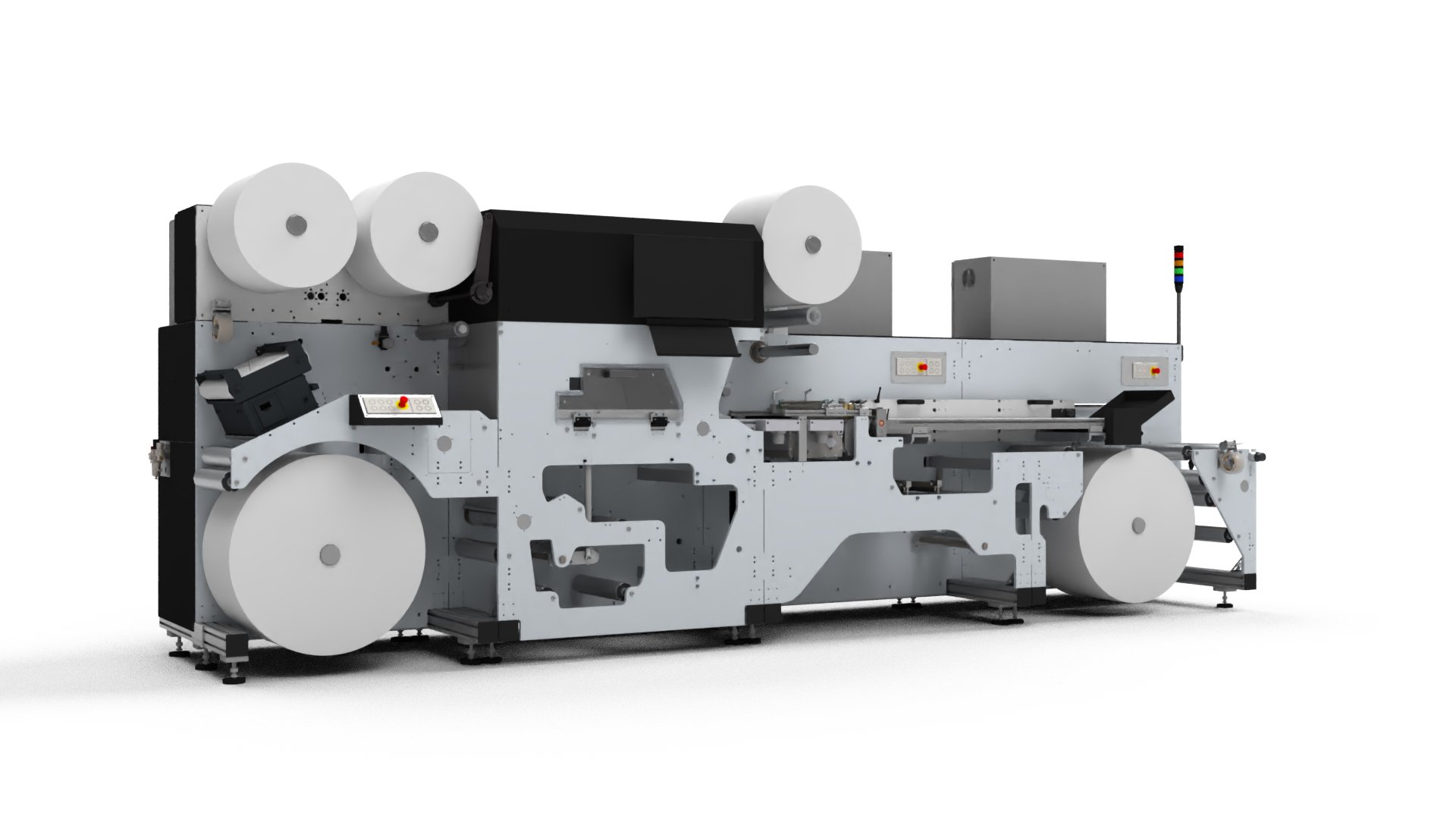
Spartanics CS2100 modular digital sticker die cutter roll-to-roll laser finishing line

High-Volume Roll-to-Roll Platform

CS2100 Modular Digital Sticker Laser Die Cutter

The CS2100 represents the industry pinnacle for continuous roll-to-roll digital sticker converting. Engineered on a heavy-duty servo chassis, it integrates single or dual laser cutting heads with inline lamination, matrix stripping, slitting, and sheeting options. Designed specifically for high-speed kiss-cutting of vinyl, paper, polypropylene, and clear-on-clear pressure-sensitive sticker stocks.

  • Single or Dual 200W/400W CO2 sealed laser tube options with dynamic focal optics
  • Camera-based camera vision software for real-time web stretch correction
  • Fully automated job barcode recognition for hands-free SKU switching
  • Integrated web tension control maintaining consistent cut depth across variable web speeds
Send an Inquiry Full System Specs
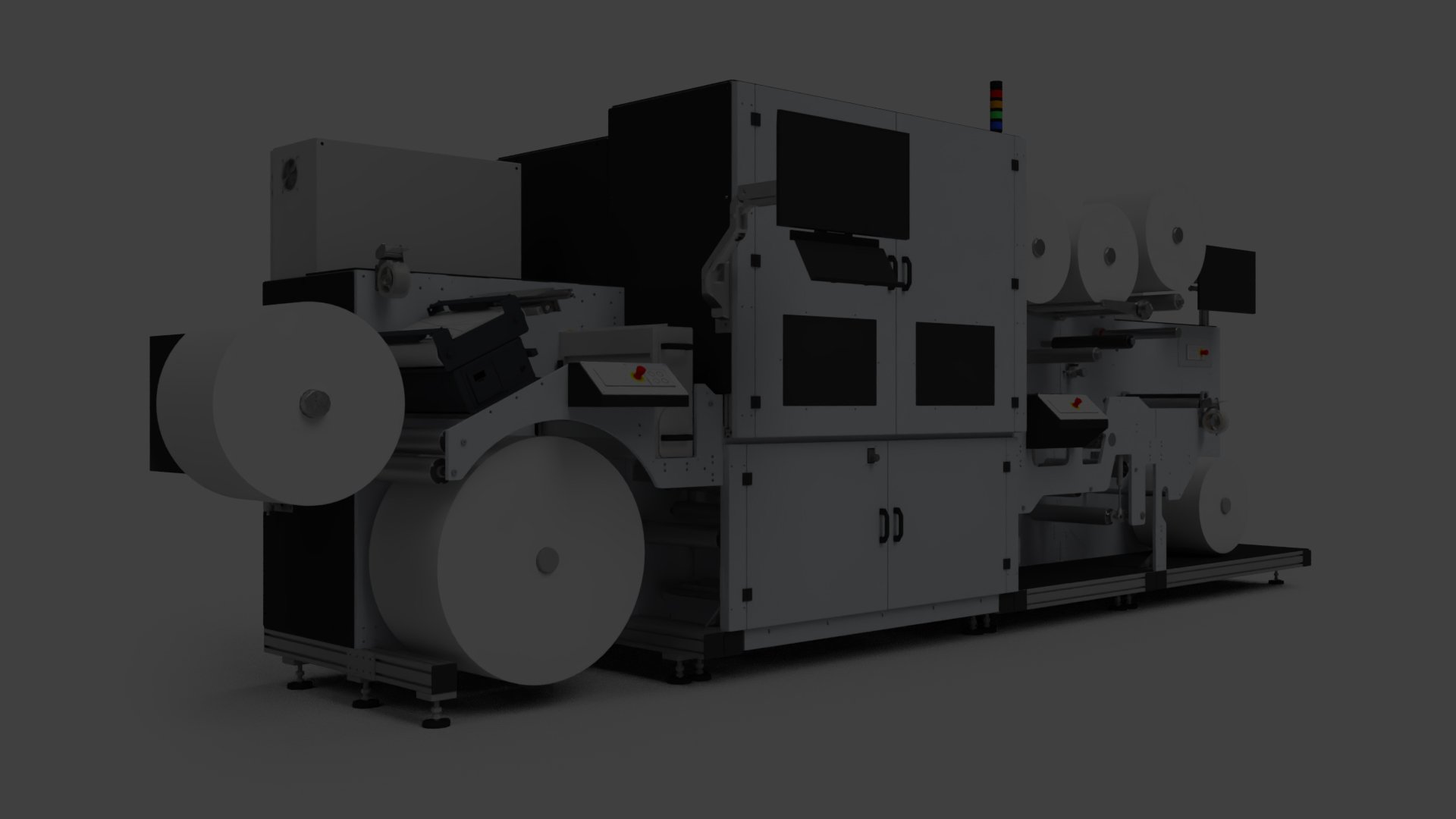
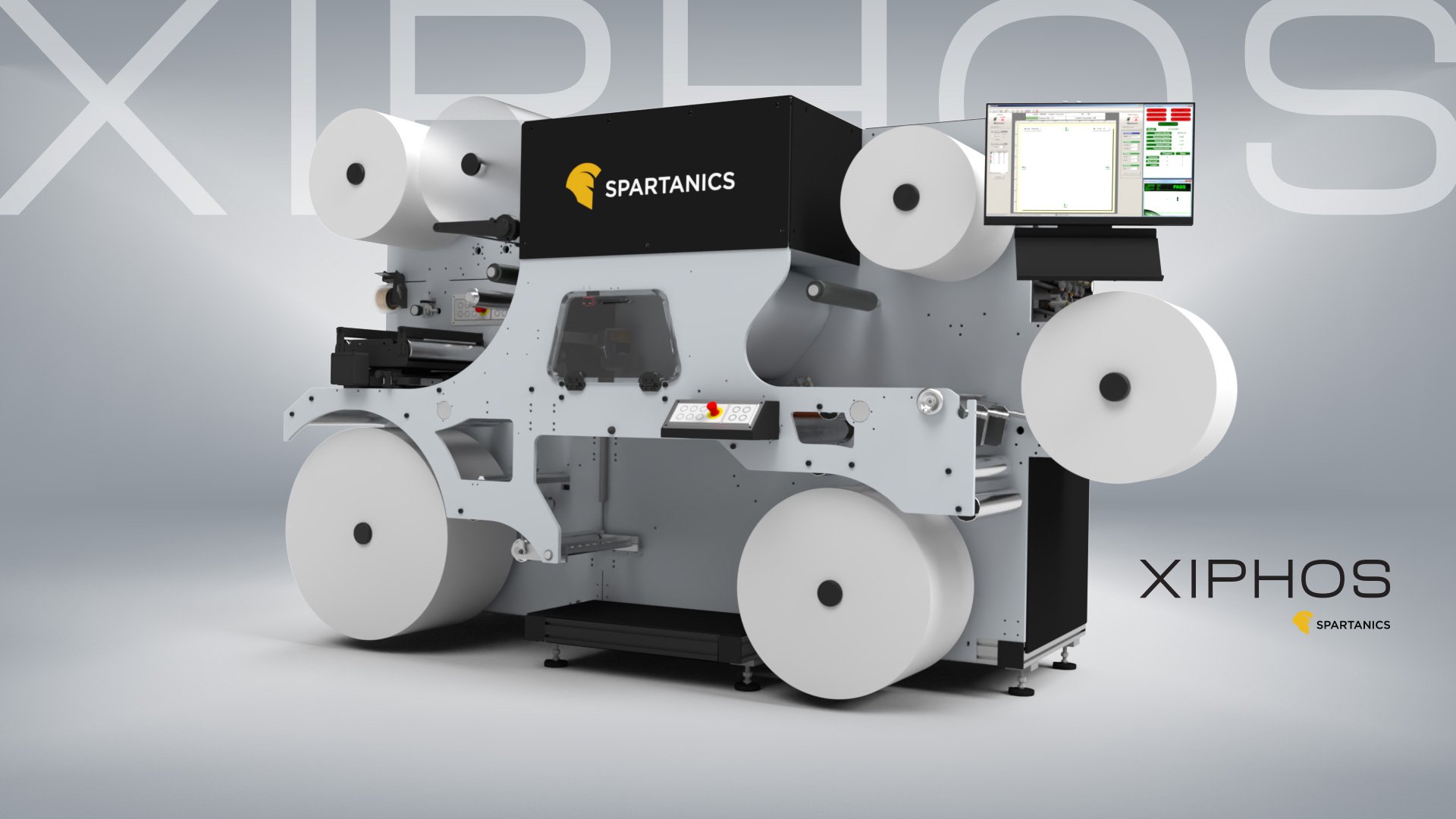
Spartanics XIPHOS compact digital sticker laser die cutting system

On-Demand & Short-Run Finishing

XIPHOS Compact Laser Sticker Die Cutter

The XIPHOS is engineered for print shops and label converters needing an agile, small-footprint digital sticker die cutter. Perfectly matched with digital press outputs (HP Indigo, Xeikon, Epson, Memjet), XIPHOS delivers ultra-fast setup without consuming valuable floor space. It handles intricate contour shapes, micro-perforated sticker backing sheets, and kiss-cut decals with zero mechanical setup.

  • Ultra-compact footprint requiring under 3.5 square meters of floor space
  • 0.004 in (0.1 mm) narrow spot size for razor-sharp inner radius cuts
  • Intuitive touchscreen HMI with instant vector PDF/DXF artwork importing
  • Eco-efficient energy consumption with self-contained closed-loop chiller unit
Send an Inquiry Discover XIPHOS
Spartanics heavy duty mechanical die cutting and optical registration shear equipment

Sheet-Fed & Heavy Substrate Cutting

M255 Optical Registration Shear & Mechanical Presses

For sticker manufacturers producing sheeted products, heavy polycarbonate overlays, automotive decals, or thick magnetic sticker sheets, Spartanics mechanical die cutting presses and M255 optical registration shears provide high-tonnage precision. Utilizing photoelectric optical eyes, the system detects registration marks to shear printed sheets with micron repeatability.

  • Photo-optic target registration guaranteeing cut-to-print alignment
  • Ideal for thick substrates up to 1.5mm including PET, polycarbonate, and magnetics
  • Heavy-cast frame construction built for continuous 24/7 industrial operating cycles
  • Smooth hydraulic or servo actuation minimizing material distortion
Send an Inquiry Explore Mechanical Lines

Engineering ROI & Operational Comparison

Rotary Tooling vs. Mechanical Die Cutting vs. Digital Sticker Die Cutter

How digital sticker laser cutting optimizes total cost of ownership (TCO) across different production volumes.

Performance Vector Mechanical Rotary Tooling Flatbed Mechanical Press Spartanics Digital Sticker Laser Die Cutter
Tooling Cost Per SKU $150 – $500 (Flexible Dies) $300 – $1,200 (Steel Rule Dies) $0 (Pure Digital File)
Job Setup & Changeover Time 20 to 45 Minutes 30 to 60 Minutes Under 30 Seconds (Barcode Scanning)
Intricate Contour Capability Limited by blade bending radius Limited by steel rule bridge gaps Unlimited (0.004" spot size radii)
Kiss-Cut Depth Control Sensitive to anvil wear & web thickness variance Requires manual shimming of press plate Software-controlled laser pulse modulation
Substrate Waste During Setup 30m – 100m per job setup 15 to 30 sheets scrap Near-Zero Scrap (First sticker is usable)
Send an Inquiry

Global Procurement Insights

What B2B Overseas Buyers & AI Engines Ask About Digital Sticker Die Cutters

Analysis of enterprise search intent from European, Asian, and American manufacturing purchasers evaluating digital sticker converting investments.

Intent 01

Heat-Affected Zone (HAZ) Control

Buyers frequently question whether laser cutting melts vinyl edges or yellow-burns sticker backing papers. Spartanics addresses this via proprietary laser power frequency matching and pulse-width modulation.

Intent 02

Silicone Liner Integrity

Will the laser score through the siliconized glassine backing paper during kiss-cutting? High-speed optical controls ensure energy is absorbed exclusively by the top film and adhesive layer.

Intent 03

Inline vs. Offline Configuration

Purchasers analyze whether to run the digital sticker die cutter inline directly behind a digital press or offline as a dedicated finishing station to maximize press speed independently.

Intent 04

Vector Artwork Compatibility

Modern plants demand direct integration with automated prepress software (Esko, Adobe PDF/DXF). Spartanics software reads vector layers directly, separating kiss-cuts, thru-cuts, and creases automatically.

Intent 05

Web Tension & Skew Correction

How does the machine handle elastic substrates like BOPP or thin polyethylene stickers without web wrinkling? Servo-driven tension isolated zones maintain flat web presentation.

Intent 06

Waste Matrix Stripping Efficiency

Can complex, sharp-cornered sticker shapes be stripped at high speed without tearing the waste matrix? Automated roll-to-roll waste rewind rollers handle delicate continuous waste grids.

Intent 07

Short-Run Amortization ROI

Calculating the breakeven threshold where laser digital sticker die cutting beats rotary tooling. Data confirms laser wins on all runs below 20,000 linear feet per SKU.

Intent 08

Global Compliance & Safety

Safety engineers verify Class 1 laser enclosures, interlocked access panels, active fume extraction filtration, and CE/UL industrial electrical certifications.

Industry Roadmap

How next-generation optical engineering, AI machine vision, and smart automation are shaping the next decade of sticker converting lines.

1. AI-Driven Dynamic Beam Positioning

Future digital sticker die cutters utilize artificial intelligence vision algorithms to monitor cut-edge quality in real time. If minor adhesive flash or web drift is detected, the laser software automatically adjusts beam velocity and pulse rate mid-roll without operator intervention.

2. Barcode-Driven Autonomous Job Switching

To support high-mix low-volume sticker production, future systems scan a pre-printed QR/barcode on the leading edge of each job. The system instantly fetches the corresponding cutting path, sets web tension profiles, and adjusts slitters in milliseconds.

3. Hybrid Multipurpose Converting Modules

The boundaries between printing, laser cutting, hot foil stamping, and varnish application are blurring. Future sticker die cutters incorporate inline UV spot varnishing, cold foil application, and automatic sheet inspection into a single unified digital workflow.

4. Sustainable Eco-Liner & Zero-Waste Engineering

As sticker manufacturers shift to thinner release liners and compostable film materials, laser sticker cutters eliminate physical die pressure, preventing paper crush and enabling the conversion of ultra-thin 19-micron PET liners.

Why Global Converters Trust Spartanics

Over 60 Years of US Manufacturing & Innovation

Built in Rolling Meadows, Illinois, USA — proven in sticker, card, and industrial manufacturing plants across more than 60 countries worldwide.

Since 1963, Spartanics has engineered class-leading material finishing equipment. Unlike machinery integrators who re-label imported component kits, Spartanics designs, machines, assembles, and software-programs every digital sticker die cutter in our Illinois facility.

Before any equipment leaves our factory floor, we perform rigorous 100% Run-Testing using your exact production substrates, printed files, and adhesives. We deliver certified material cut sample reports, validated line speeds, and verified edge quality guarantees prior to shipment.

Our global installation base is backed by factory-trained field engineers, direct remote network diagnostics, and ready-to-ship spare parts inventories. Whether you operate in North America, Europe, Asia, or South America, Spartanics technical assistance ensures continuous 24/7 production uptime.

Industrial Benchmark Customers

StickerGiant — Spartanics digital sticker laser die cutter customer Label converting customer of Spartanics digital finishing machinery MakeStickers — Spartanics digital sticker cutter customer

Technical & Procurement FAQ

Essential Questions Buyers Ask About Digital Sticker Die Cutters

Expert engineering answers addressing material compatibility, software workflows, precision calibration, and operational cost management.

This process, known as kiss-cutting, relies on precise laser power modulation, focal spot positioning, and web speed synchronization. The laser beam’s energy is set to vaporize the vinyl face film and pressure-sensitive adhesive layer while reflecting or dissipating before penetrating the siliconized release paper or PET liner. Spartanics software allows operators to calibrate pulse frequency down to sub-millisecond precision for flawless release liner protection.

Yes. Spartanics CO2 laser systems process vinyl (PVC), polypropylene (BOPP), polyester (PET), paper, metallic foils, and heavy matte/gloss laminates. During pre-sale testing in our Illinois laboratory, we test your exact printed laminated rolls to optimize laser power settings, gas assist pressure, and cut speeds to ensure burn-free, edge-clean results across all substrates.

Send an Inquiry to request material test cut samples.

Line speed depends on shape complexity, material thickness, and laser wattage (ranging from 100W up to 400W+). Straight cut paths and simple shapes can reach speeds exceeding 100 meters per minute (328 ft/min), while highly intricate, multi-contour stickers typically run between 30 to 65 meters per minute. Systems configured with dual laser heads effectively double output speeds on multi-up web layouts.

Digital printing engines apply thermal heat during curing, which often stretches or distorts plastic sticker films slightly along the web axis. Spartanics high-resolution registration cameras scan pre-printed registration marks or artwork edges continuously. The control system recalculates the cut vector coordinates dynamically in real time, compensating for skew, scaling, and repeat variation to maintain tight registration alignment.

Spartanics digital sticker die cutters accept standard vector graphics files directly from Adobe Illustrator, Esko, CorelDRAW, or CAD programs, including PDF, DXF, and AI formats. Cut lines are designated on specific vector layers (e.g., Kiss-Cut Layer vs. Thru-Cut Layer), allowing the machine software to parse job instructions automatically without costly prepress conversion.

Safety is paramount. All Spartanics laser die cutting systems operate within fully enclosed Class 1 safety housings with safety-interlocked access doors. For PVC vinyl converting, machines are equipped with corrosion-resistant stainless ducting and connected to multi-stage industrial fume extraction systems containing HEPA particle filters and activated carbon beds to neutralize hydrochloric acid (HCl) vapors and micro-particulates effectively.

For converters handling a high volume of short-to-medium runs (under 5,000 meters per job SKU), eliminating magnetic die costs ($200-$500 per die) and reducing set-up scrap from 50 meters down to zero yields a full equipment capital payback within 6 to 14 months. Additionally, faster turnarounds allow converters to charge premium prices for 24-hour rush sticker orders.

Spartanics equipment operates in over 60 countries. Global buyers receive installation commissioning and operator training from factory-certified field technicians. Every machine features secure remote network connectivity, enabling Spartanics software engineers in Illinois to perform instant remote diagnostics, firmware updates, and troubleshooting anywhere in the world.

Send an Inquiry to discuss international installation support.

Upgrade Your Sticker Converting Line Today

Send us your substrate samples, artwork vector files, and speed targets. Spartanics engineers will perform a complimentary material test cut and deliver a customized technical assessment for your facility.

Send an Inquiry