Advanced Industrial Screen Printing Engineering

Industrial Large Format Screen Printer Systems & High-Precision Web Converting

Engineered for extreme laydown consistency, conductive ink deposition, and micron-level optical registration. US-built screen printing machinery for global converters demanding zero defect manufacturing across 60+ countries.

±0.02 mmOptical Registration
100%US Engineered (IL)
60+Years Industry Authority
5 to 100μmControlled Deposit

Technical Engineering Insight

Mastering Substrate Dynamics & High-Viscosity Ink Deposition

In modern industrial manufacturing, high-volume graphic decoration, membrane switch overlays, printed electronics, and automotive instrument panels require ink deposits far beyond the physical capability of digital inkjet heads. A Spartanics Large Format Screen Printer is engineered to deliver repeatable, heavy-layer deposits—from opaque whites and tactile varnishes to conductive silver and carbon pastes—across wide webs and rigid sheet formats.

Since 1963, Spartanics has led the converting industry by eliminating registration drift and ink film variations. Designed, machined, and fully run-tested at our Rolling Meadows, Illinois headquarters, our high-precision screen printing platforms incorporate servo-driven print heads, electro-pneumatic squeegee pressure balancing, and camera-based vision registration to guarantee strict tolerance adherence on every single cycle.

Whether processing delicate 25-micron PET films, polycarbonate overlays, or heavy metalized sheets, our systems eliminate manual operator guesswork through digital recipe recall and closed-loop web tension controls.

1963Engineered in the USA
±0.02mmMulti-Axis Vision Precision
24/7Remote PLC Telemetry
100%Factory Validated

Engineering Foundation

The Mechanics of High-Precision Heavy-Film Deposition

Why do global Fortune 500 electronics manufacturers and industrial label converters rely on large format screen printing technology rather than purely digital methods? The answer lies in film thickness control, ink chemistry compatibility, and mechanical registration accuracy.

01 / DEPOSIT CONTROL

Controlled Wet-Film Deposit (5μm to 100μm+)

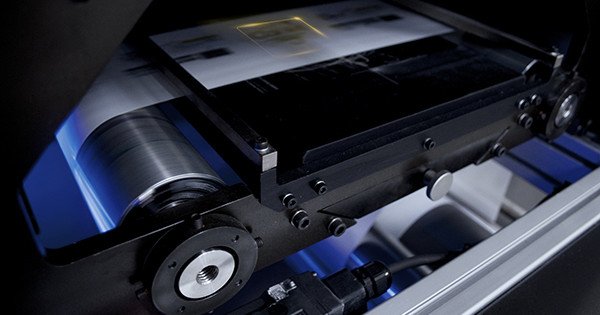
Digital inkjet printing typically deposits 2 to 6 microns of ink. An industrial large format screen printer applies controlled wet film thicknesses ranging from 5 to over 100 microns in a single pass. This is essential for 100% opaque back-lighting, conductive circuit traces, and durable outdoor graphics resistant to UV degradation and chemical erosion.
02 / VISCOSITY FLEXIBILITY

High Viscosity & Particle Size Handling

Functional pastes, silver flake inks, dielectric insulators, and abrasive metallic lacquers possess high viscosity profiles that clog digital nozzles. Spartanics screen printers handle fluid viscosities from 1,000 to over 50,000 cPs with uniform squeegee deflection and pneumatic floodbar control.

03 / VISION ALIGNMENT

Vision-Guided Sub-Pixel Registration

Material shrinkage from inline UV/IR curing ovens creates non-linear registration errors on multi-color jobs. Spartanics camera optical registration systems actively calculate matrix transformations in real-time, adjusting the X, Y, and Theta axis stages down to ±0.02 mm before every squeegee stroke.

Technology Evaluation Matrix: Industrial Large Format Screen Printing vs. Alternative Processes

When evaluating capital equipment investments, procurement directors must balance throughput speed, material versatility, operational cost per square meter, and registration tolerances. The table below outlines key engineering performance metrics:

Technical Metric Spartanics Large Format Screen Printer High-Speed Digital Inkjet Press Rotary Flexographic Press
Dry Ink Film Thickness Range 3.0 – 80.0+ Microns (High Opacity/Conductivity) 1.5 – 6.0 Microns (Limited Layering) 1.0 – 4.0 Microns (Low Layer Build)
Optical Registration Accuracy ±0.020 mm (±0.0008 in) via Servo Vision ±0.100 mm (Software Mapping) ±0.075 mm (Mechanical Pin/Gear)
Viscosity Capability (cPs) 1,000 – 50,000+ cPs (Silver, Carbon, Tactile UV) 10 – 30 cPs (Fluid UV/Solvent Ink) 100 – 1,000 cPs (Liquid Inks)
Substrate Versatility Rigid & Flexible PET, PC, PVC, Glass, Metal Sheets Flexible Webs, Coated Papers/Films Flexible Thin Webs, Paper Stock
Tooling & Setup Overhead Low Mesh Screen Cost ($50–$200); Rapid Recipe Loading Zero Physical Tooling; High Fluid Maintenance High Die/Plate Cost ($300–$1,500); Long Mechanical Setup
Chemical & Abrasion Durability Extreme (Passes Automotive & Aerospace Specs) Moderate (Requires Over-lamination) Moderate to Low

Product Line Recommendations

Recommended Large Format Screen Printer Configurations

Explore our flagship industrial screen printing platforms engineered for seamless integration into high-yield continuous manufacturing environments.

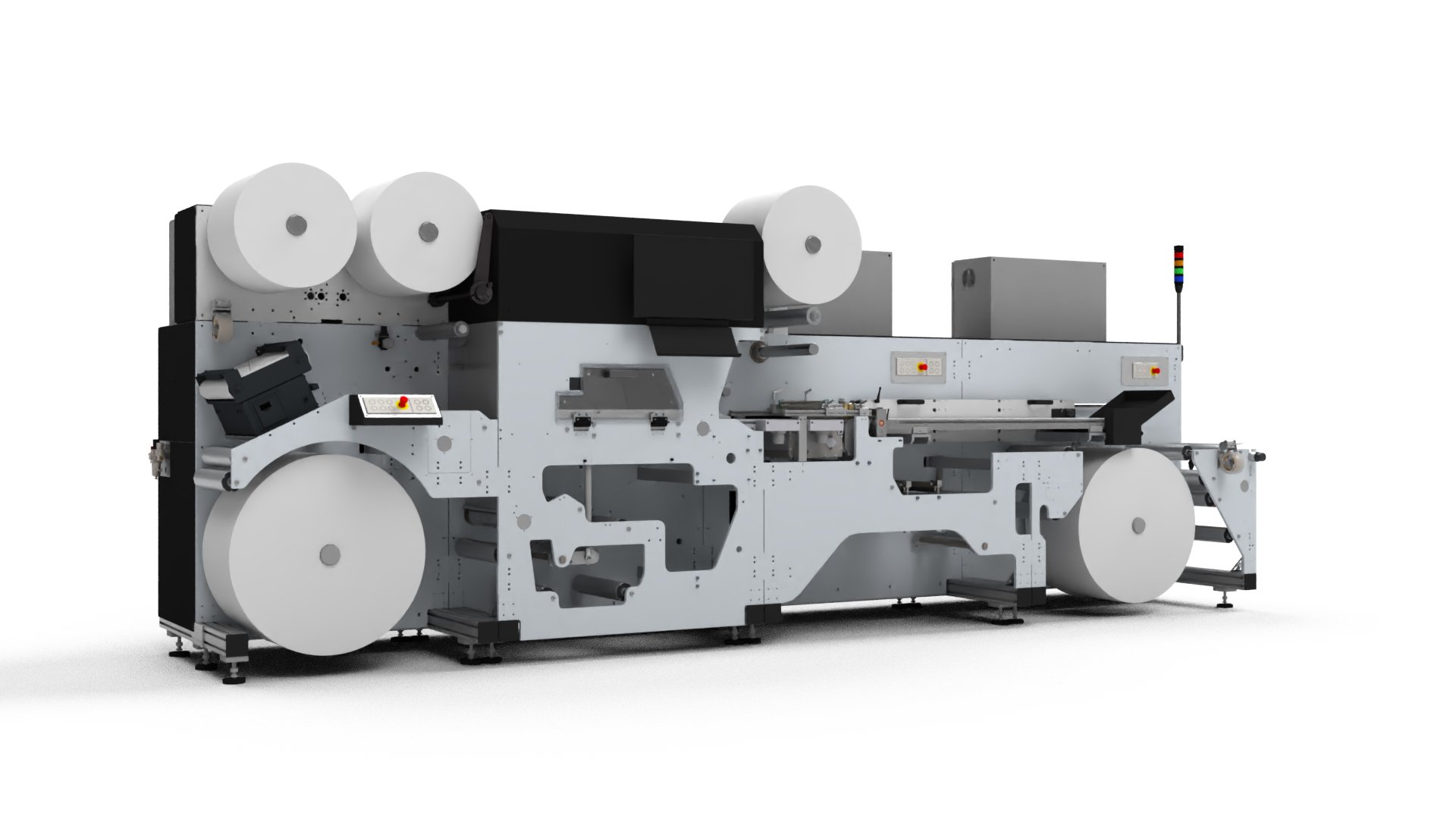
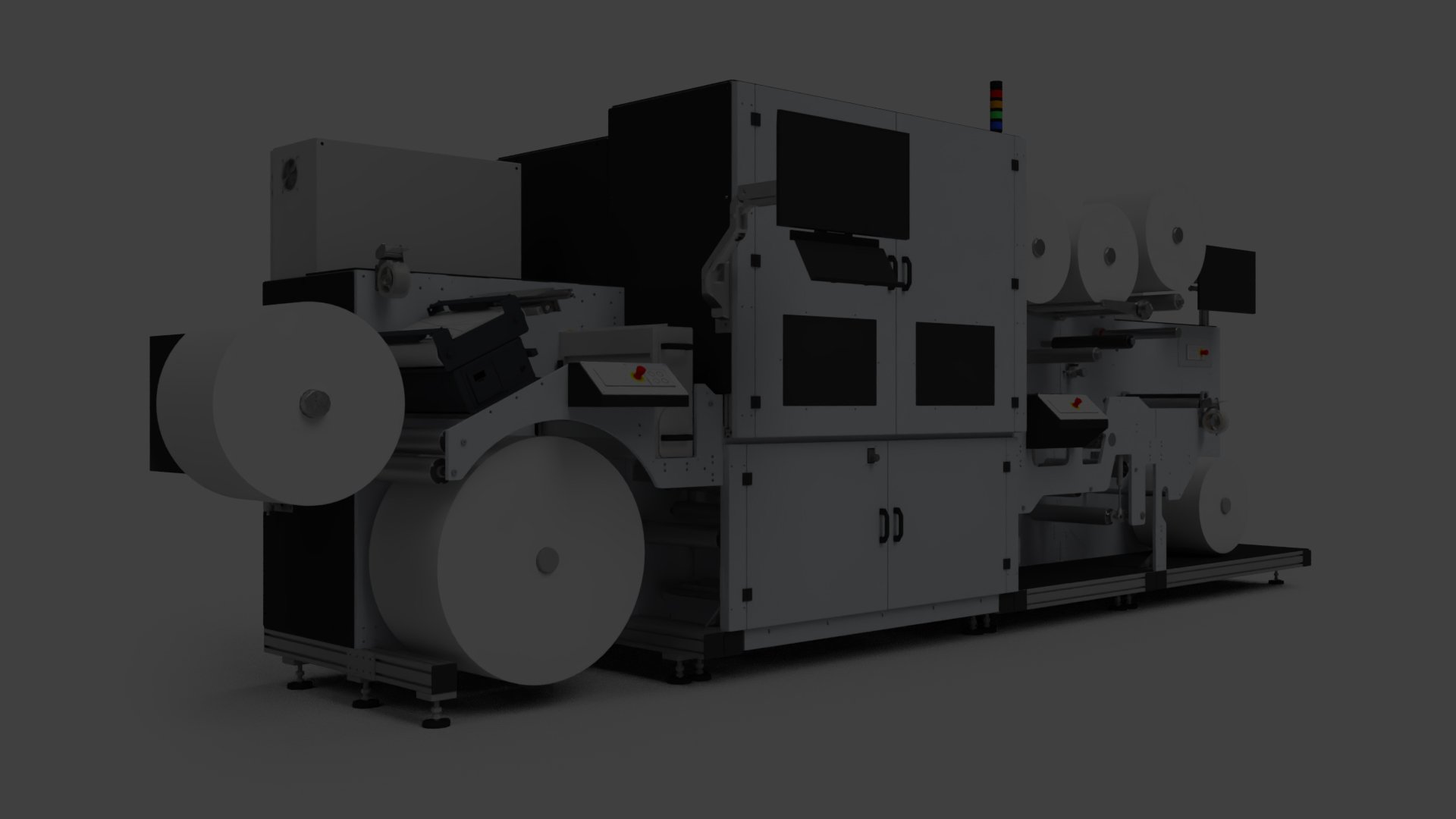
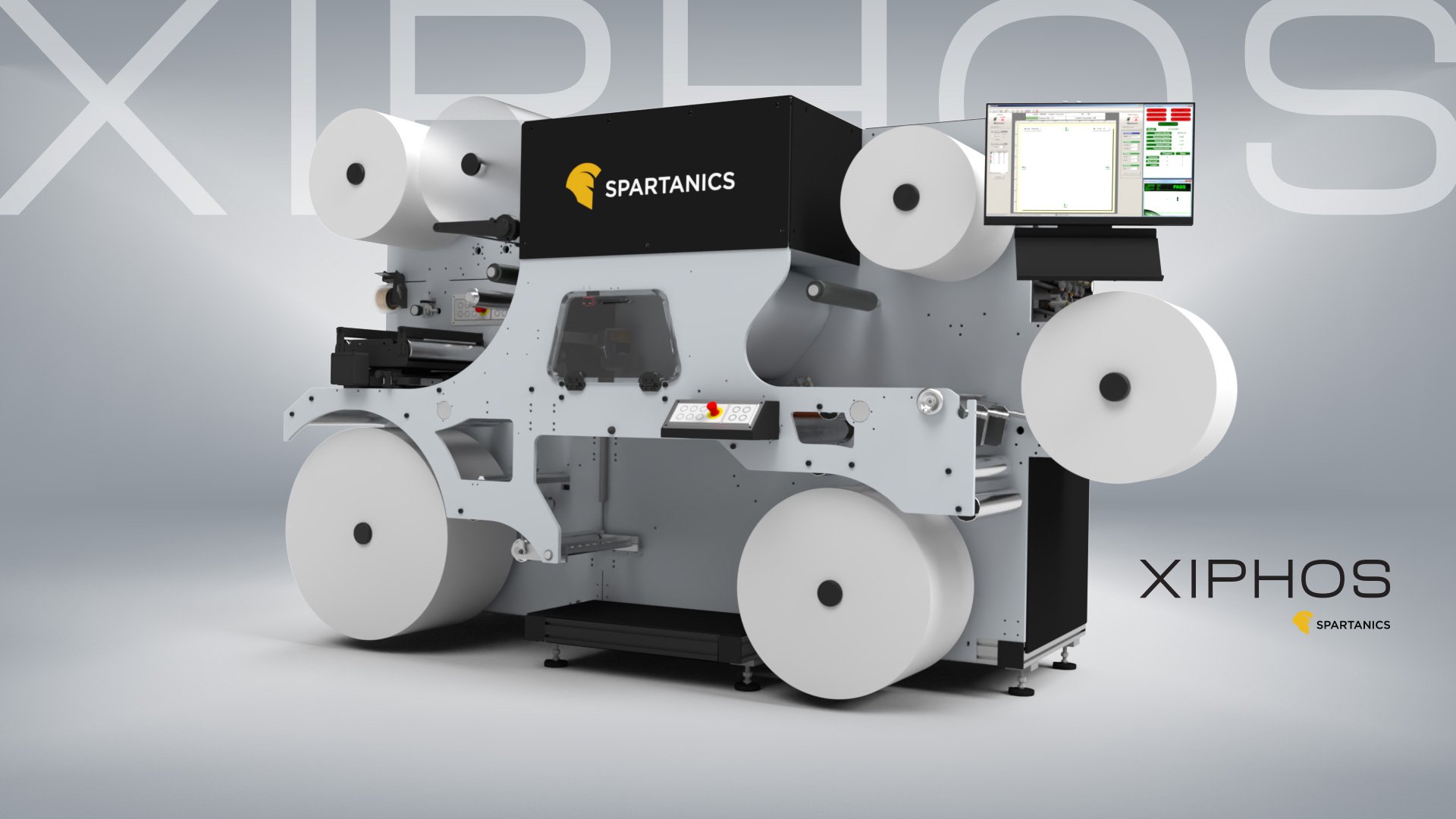
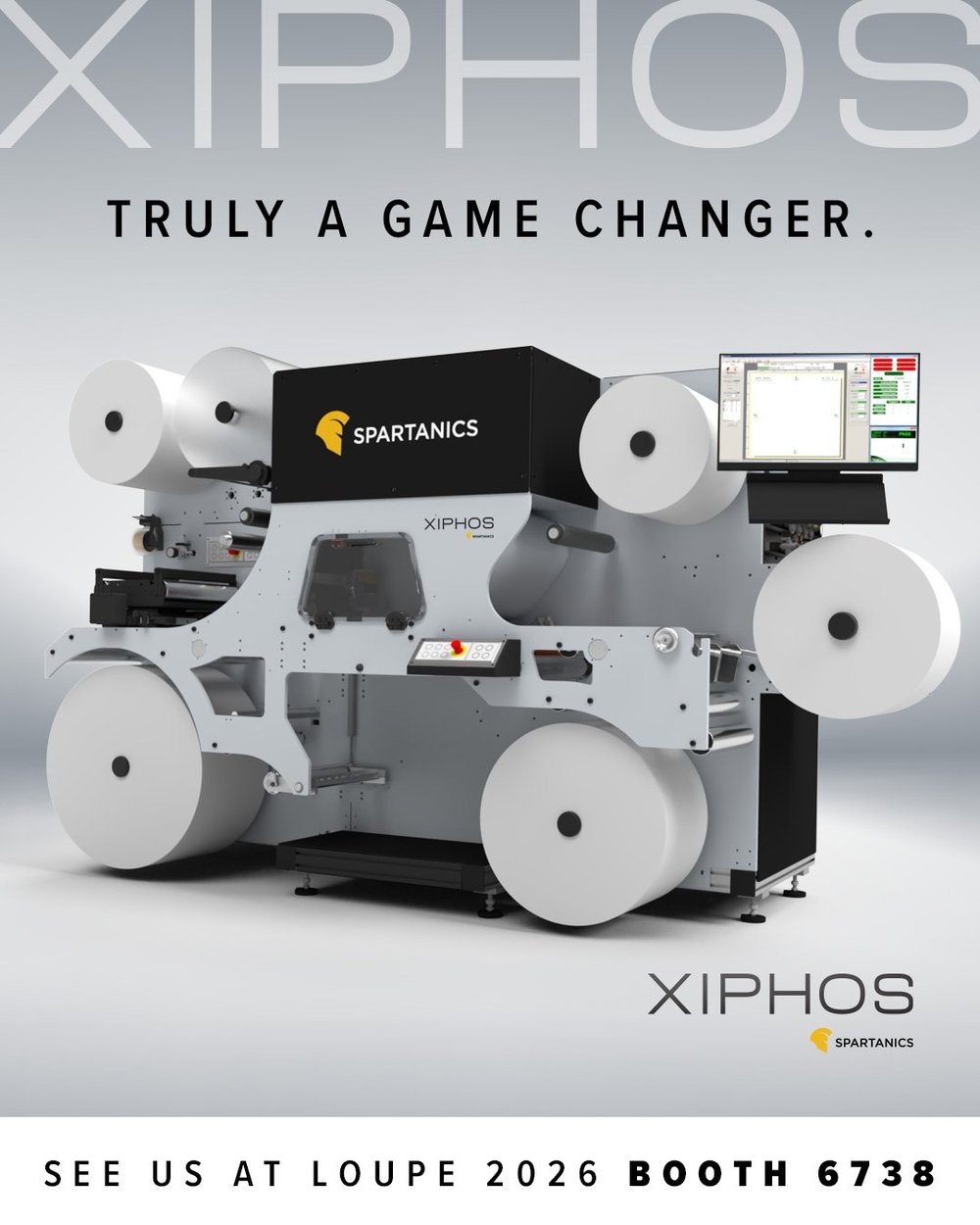
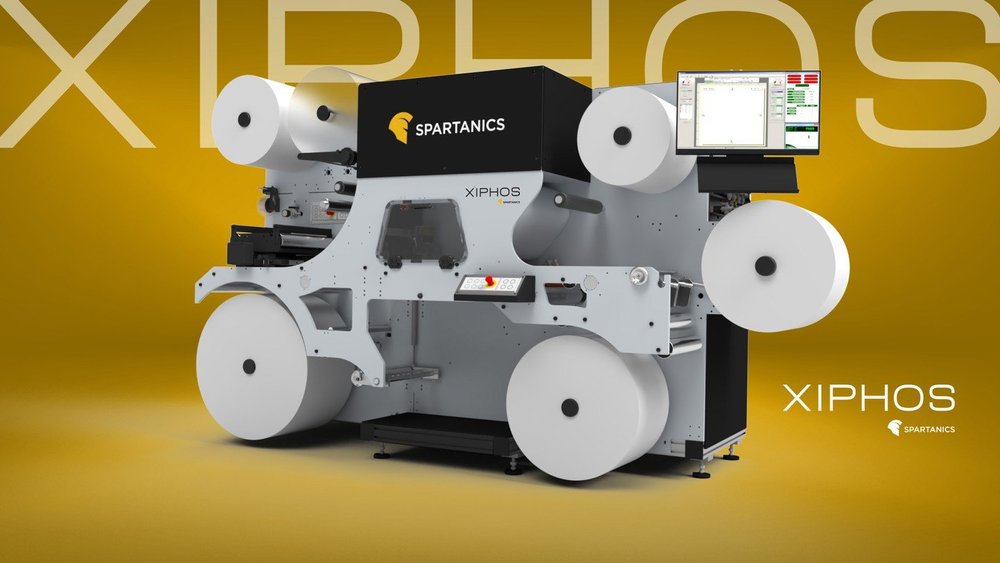
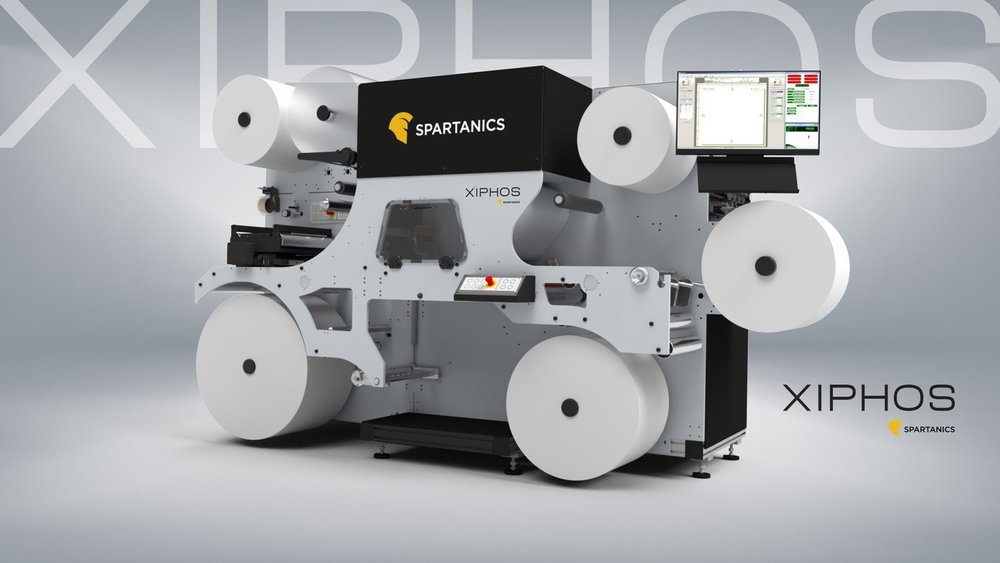
Spartanics Industrial Large Format Roll-to-Roll Screen Printer Unit

Flagship Web Platform

Roll-to-Roll Precision Screen Printing Line

Engineered for continuous printing on flexible webs such as PET, polycarbonate, and metallic foils. Features precision servo-driven web transport, constant tension control, camera vision registration, and multi-zone UV/IR conveyor curing.

  • Substrate thickness handling from 25 to 500 microns
  • Servo-actuated squeegee head with digital angle and force feedback
  • Integrated vacuum bed to eliminate substrate movement during stroke
  • Inline inspection camera integration for automatic defect flagging
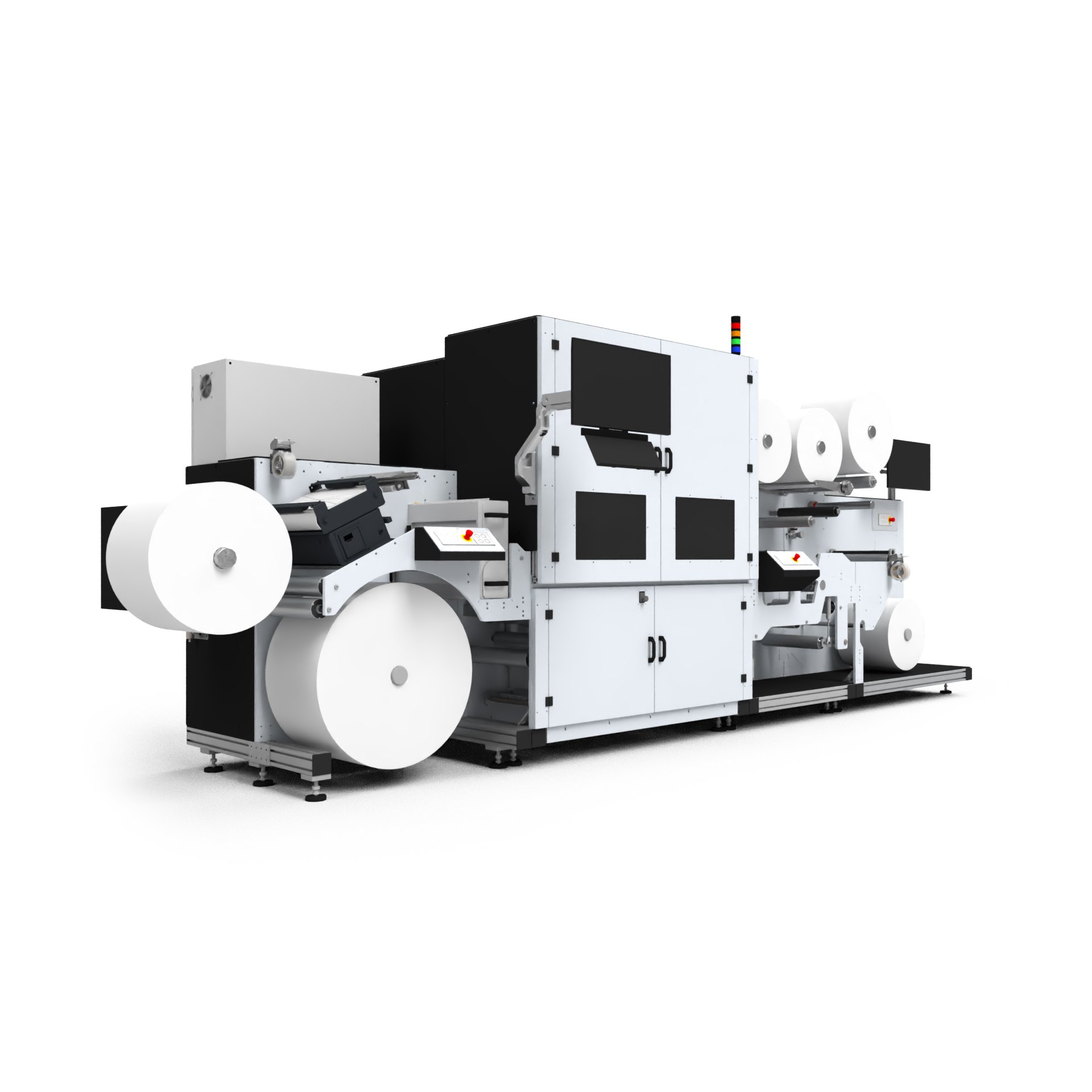
Spartanics Heavy Duty Flatbed Screen Printer System

Flatbed & Sheet-Fed Precision

Heavy-Duty Flatbed Optical Screen Printer

Specifically developed for rigid panels, membrane switch overlays, nameplates, and glass sheets. The high-tonnage vacuum table guarantees sub-pixel registration accuracy across large print beds exceeding 1200mm x 1600mm.

  • Motorized 4-post frame lift for rapid screen mesh cleaning and changeover
  • Micro-adjustable screen chase clamping with pneumatic locking
  • Multi-axis camera positioning for step-and-repeat graphic artwork
  • Compatible with cleanroom Class 10,000 (ISO 7) manufacturing standards
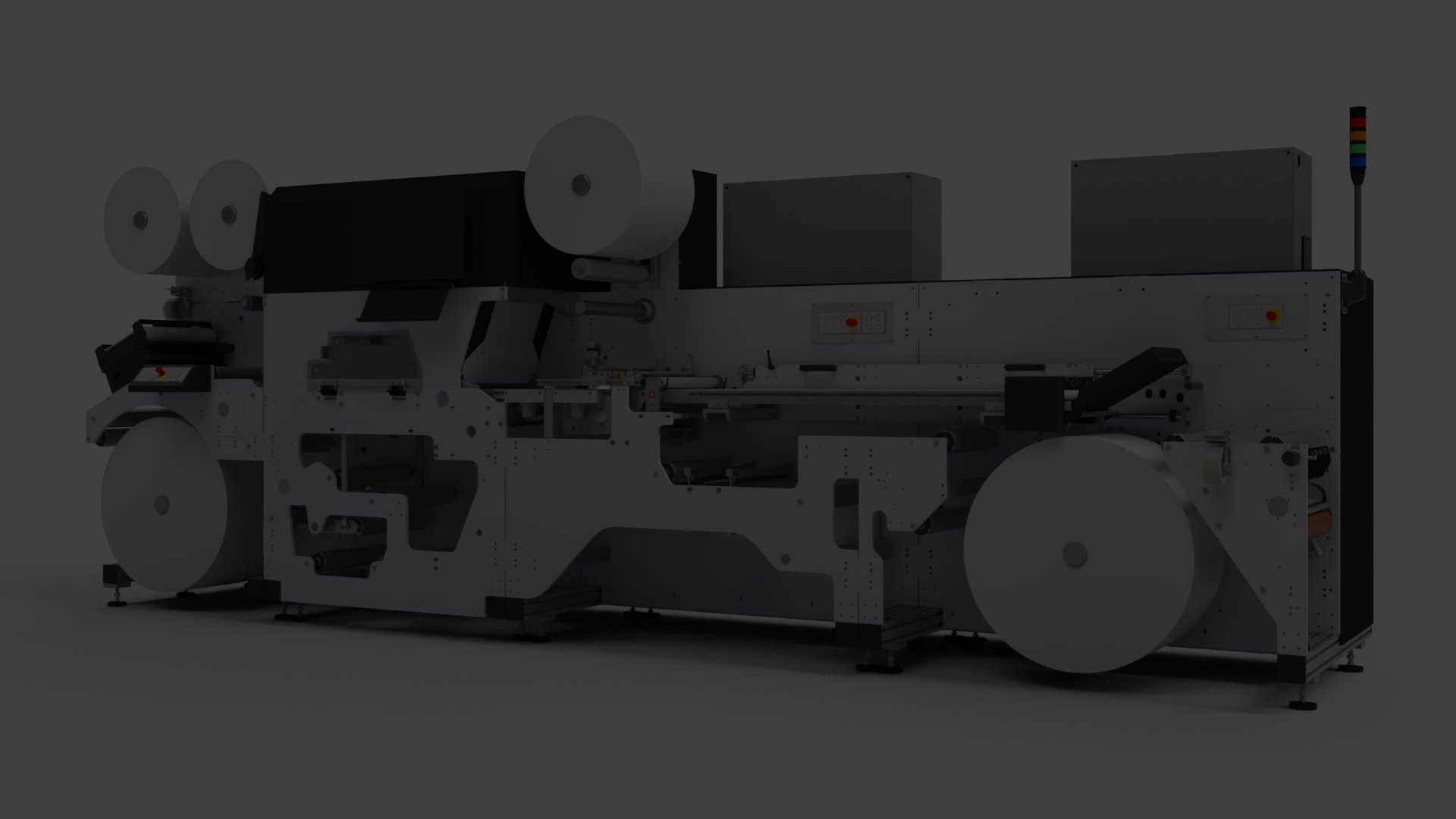
Modular Screen Printing and Laser Finishing Hybrid Line

Hybrid Automation System

CS2100 Screen Print & Laser Die-Cut Integration

Combine the heavy layer deposit of a large format screen printer with the tool-free versatility of Spartanics laser die cutting technology. Print, cure, registration-cut, slit, and sheet in one single automated pass.

  • Eliminates mechanical die tooling costs and physical storage friction
  • Laser spot sizes down to 0.004 in (0.1 mm) for micro-perfs and contours
  • Single continuous servo web handling to prevent interlayer contamination
  • Recipe-driven automation reduces job changeover times by up to 80%

Market Dynamics & Industry Forecasting

As global supply chains demand higher throughput, lower energy consumption, and zero-defect quality control, purchasing decisions for large format screen printers are shifting toward smart, connected, and hybrid-capable machinery.

TREND 01

Smart AI Vision & Closed-Loop Feedback

Global procurement directors are prioritizing machines equipped with AI vision alignment. Closed-loop optical sensors automatically correct screen stretch and mechanical thermal drift during extended production runs without manual operator intervention.

TREND 02

Printed Electronics & Green Tech Shift

From solar panel busbars and RFID smart labels to 5G flexible antennas and biosensors, large format screen printers are becoming essential manufacturing tools for functional electronic layer deposition requiring absolute layer-to-layer registration.

TREND 03

Energy-Efficient UV LED Curing Units

Traditional mercury vapor curing lamps are being systematically replaced by energy-efficient UV LED curing systems. Modern screen printers must feature integrated temperature control to prevent thermal distortion on heat-sensitive thin films like 25μm PET.

TREND 04

Hybrid Modular Production Lines

Forward-thinking converters avoid standalone machines. The trend favors modular platforms where screen printing, flexo coating, digital laser converting, slitting, and automated stacking are connected in one continuous line.

Global Applications

Substrates & End-Use Manufacturing Sectors

Spartanics screen printing equipment processes demanding materials across critical commercial, industrial, and high-security sectors.

01

Membrane Switches & Overlays

Printing conductive silver/carbon traces and chemical-resistant graphic overlays on polycarbonate and PET films for medical and appliance interfaces.

02

Automotive Dashboards

Multi-layer dead-front printing, instrument clusters, and interior decorative panels requiring precise pin-point registration and light-blocking opacity.

03

Printed Electronics & RFID

Deposition of conductive inks, antennae patterns, wearable smart-textiles, flexible sensors, and heating elements with strict micro-ohm resistance tolerances.

04

In-Mould Decoration (IMD/IML)

Screen-printed deep-draw films engineered for thermal forming and injection moulding integration without ink cracking or registration shift.

05

High-Security & Government ID

Optically Variable Inks (OVI), tactile security features, metallic foils, and micro-printing applied to national identity cards and passports.

06

Reflective Signage & Plates

Heavy ink laydown of weather-durable inks on retro-reflective films for highway signs, license plates, and vehicle registration decals.

07

Large Format Decals & Branding

Durable fleet graphic decals, heavy equipment branding, and architectural glass coatings engineered to withstand 10+ years of outdoor weathering.

08

Solar Panels & Clean Energy

Screen printing metallization paste onto photovoltaic wafers and smart building glass with high spatial repeatability and zero substrate micro-fracturing.

Why Global Buyers Choose Spartanics

60+ Years of US Engineering Precision

Buying an industrial large format screen printer is an enterprise capital investment. Purchasing managers and VP-level engineering directors need total confidence that their equipment will maintain high uptime, operate reliably across three shifts, and deliver tight tolerance repeatability year after year.

Since our founding in 1963 in Rolling Meadows, Illinois, Spartanics has adhered to an uncompromising manufacturing philosophy: Every system is 100% designed, assembled, and run-tested on customer substrate before shipment.

We do not promise quality—we prove it. When you work with Spartanics, our machine vision specialists and mechanical engineers run your actual material through factory acceptance testing (FAT), recording real-time registration accuracy, ink thickness uniformity, and speed metrics before the equipment leaves our floor.

01 / USA BUILT

Rolling Meadows Manufacturing

Engineered, machined, built, and tested in Illinois, USA. Robust steel chassis construction designed to eliminate mechanical vibration and deflection.

02 / GLOBAL FOOTPRINT

Installed in 60+ Countries

Over 3,000 systems delivered worldwide. Trusted by tier-1 automotive suppliers, high-security card printers, and international converting groups.

03 / PRE-SHIPMENT PROOF

100% Material Run-Testing

Your material is validated on machine prior to shipment. We provide full quantitative empirical test reports covering speed, tolerance, and ink deposit.

04 / REMOTE TELEMETRY

24/7 Diagnostics & Support

Factory-trained engineers support overseas machines via secure real-time PLC diagnostics, preventative maintenance alerts, and global spare parts delivery.

Industry Validation

Trusted by Global Manufacturing Leaders

StickerGiant — Spartanics Equipment Customer Global Industrial Converting Customer MakeStickers — Spartanics High-Precision Customer

Procurement Guidance

Frequently Asked Questions by Global Buyers

Key technical and commercial considerations when evaluating an industrial large format screen printer for high-precision manufacturing.

While digital inkjet excels at variable graphics and thin CMYK inks, large format screen printers are irreplaceable for depositing high-viscosity fluids, heavy ink films (from 5 to 100+ microns), functional silver/carbon conductive inks, opaque white undercoats, abrasive metallic pastes, and specialized tactile UV varnishes. Applications like membrane switches, automotive instrument panels, RFID antennas, and durable outdoor graphics require the chemical resistance, opacity, and electrical conductivity that only screen printing ink film thickness can achieve.

Spartanics camera-based optical registration systems utilize high-resolution CCD cameras coupled with advanced image-processing algorithms to locate printed target fiducials, crosshairs, or artwork features in real time. Before the squeegee stroke initiates, multi-axis servo motors (X, Y, and Theta/rotational) automatically shift the screen or vacuum bed to correct for material thermal expansion, web stretch, skew, and mechanical drift down to ±0.02 mm (±0.0008 inches).

Spartanics large format screen printing equipment processes a broad spectrum of rigid, flexible, and semi-rigid materials including Polycarbonate (PC), Polyethylene Terephthalate (PET), Polyvinyl Chloride (PVC), Polypropylene (PP), PMMA (Acrylic), aluminum sheets, stainless steel, flexible printed circuit laminates, glass panels, and specialty reflective graphic films.

Roll-to-roll (R2R) screen printing is optimal for continuous volume runs (greater than 500–1,000 linear meters) on flexible films where automated inline registration, drying/curing, and slitting optimize throughput and minimize operator handling. Flatbed sheet-fed screen printers are better suited for rigid substrates, thick plastic panels, prototype runs, complex multi-layer registration step-and-repeat jobs, or substrates that cannot tolerate reel tension.

Spartanics systems are installed across 60+ countries worldwide. We support overseas installations through factory-trained regional field service engineers, secure 24/7 VPN remote telemetry diagnostics embedded in machine PLCs, comprehensive spare parts inventories shipped globally, and customized operator training conducted during factory acceptance testing (FAT) and site commissioning.

Yes. Spartanics specializes in integrated modular manufacturing lines. Our large format screen printing modules can be paired inline with infrared or UV drying tunnels, camera-guided registration buffers, roll-to-roll laser die cutters, slitting stations, and automatic stackers to create a complete, single-pass converting solution.

Spartanics utilizes heavy-duty servo-driven squeegee carriages with dual precision linear guideways and electro-pneumatic squeegee pressure balancing. This prevents central squeegee flexing across large printing widths (up to 1400mm+), ensuring uniform ink thickness from edge to edge of the mesh frame.

From the Production Floor

See Spartanics Automation in Action @spartanics8

Ready to Elevate Your Screen Printing Yields?

Send us your substrate samples, job tolerances, and production targets. Our Rolling Meadows application engineers will analyze your project and provide empirical test results—not sales pitches.

Inquire Now → Contact Engineering Team