Precision Optical Registration Shear Technology

High-Precision Optical Registration Shear Systems & Sheet Converting Solutions

Eliminate print-to-cut registration errors, distortion scrap, and manual gauge alignment. Industrial camera vision-guided shearing systems built in Illinois, USA — engineered for sub-millimeter sheet registration across polycarbonates, polyesters, membrane switches, and secure printed media.

±0.05mmCut-to-Print Accuracy
60+Years Engineering
100%CCD Vision Verified
60+Countries Deployed

Industrial Shearing Performance

Why Global Manufacturers Demand Optical Registration Shears

In high-precision film, card, and technical graphic manufacturing, physical sheet edges are inherently unreliable reference points. Thermal expansion during screen-printing cure cycles, humidity variations in synthetic papers, and tension instability during roll-to-sheet slitting create non-linear graphic distortion. Traditional mechanical guillotine cutters and stop-gauge shears operate blindly relative to the printed artwork, causing misaligned cuts, ruined active circuits, and unacceptable scrap rates on high-value substrates.

Spartanics revolutionized precision sheet finishing by engineering camera-based Optical Registration Shear technology. Instead of referencing unprinted sheet boundaries, our systems utilize dual-axis high-speed optical vision arrays to locate printed fiducial targets, crosshairs, or graphic geometry in real time. Servo actuators automatically pivot and align the sheet along X, Y, and Theta rotational axes prior to blade engagement, guaranteeing exact print-to-cut squareness on every cycle.

1963Founded in the USA
3,000+Systems Operating
3-7%Yield Gains Achieved
100%Run-Tested Before Delivery

Engineering Insight

The Physics & Vision Systems Behind Registered Shearing

Understanding how vision registration algorithms eliminate registration drift, thermal distortion, and mechanical stop errors in high-spec converting operations.

Global procurement teams and process engineers frequently query AI tools to determine whether to invest in rotary die tooling, flatbed plotters, or an optical registration shear. The decision rests entirely on material yield, cut edge quality, volume throughput, and graphic alignment tolerances.

01

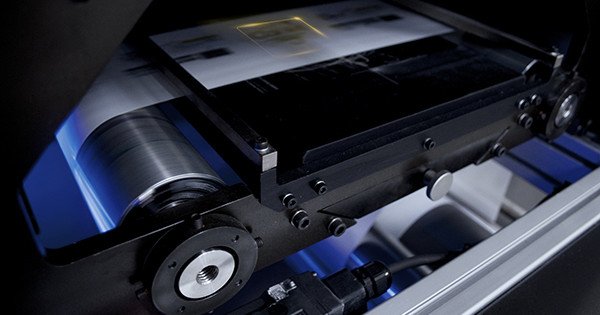
CCD Vision Target Acquisition

High-resolution charge-coupled device (CCD) cameras zoom in on pre-printed registration targets or edge fiducials. Utilizing multi-spectrum illumination, the vision sensor detects micro-scale contrast boundaries even on translucent polycarbonates, metallic inks, or high-gloss overlay films.
02

3-Axis Dynamic Alignment (X, Y, θ)

Upon capturing fiducial spatial coordinates, the system calculates lateral, longitudinal, and angular deviation relative to the shear blade. High-torque linear servo motors micro-adjust the sheet holding table in milliseconds, achieving precise registration before the clamp bar locks down.

03

Zero-Burr Shearing Hydraulics

Spartanics engineered shearing beds utilize heavy-duty ground D2 tool steel blades positioned with ultra-tight clearance gaps. Combined with controlled hydraulic or mechanical downstroke pressure, the cut edge remains strictly parallel with zero material rollover or edge burrs.

Spartanics Core Optical Registration Shear Systems

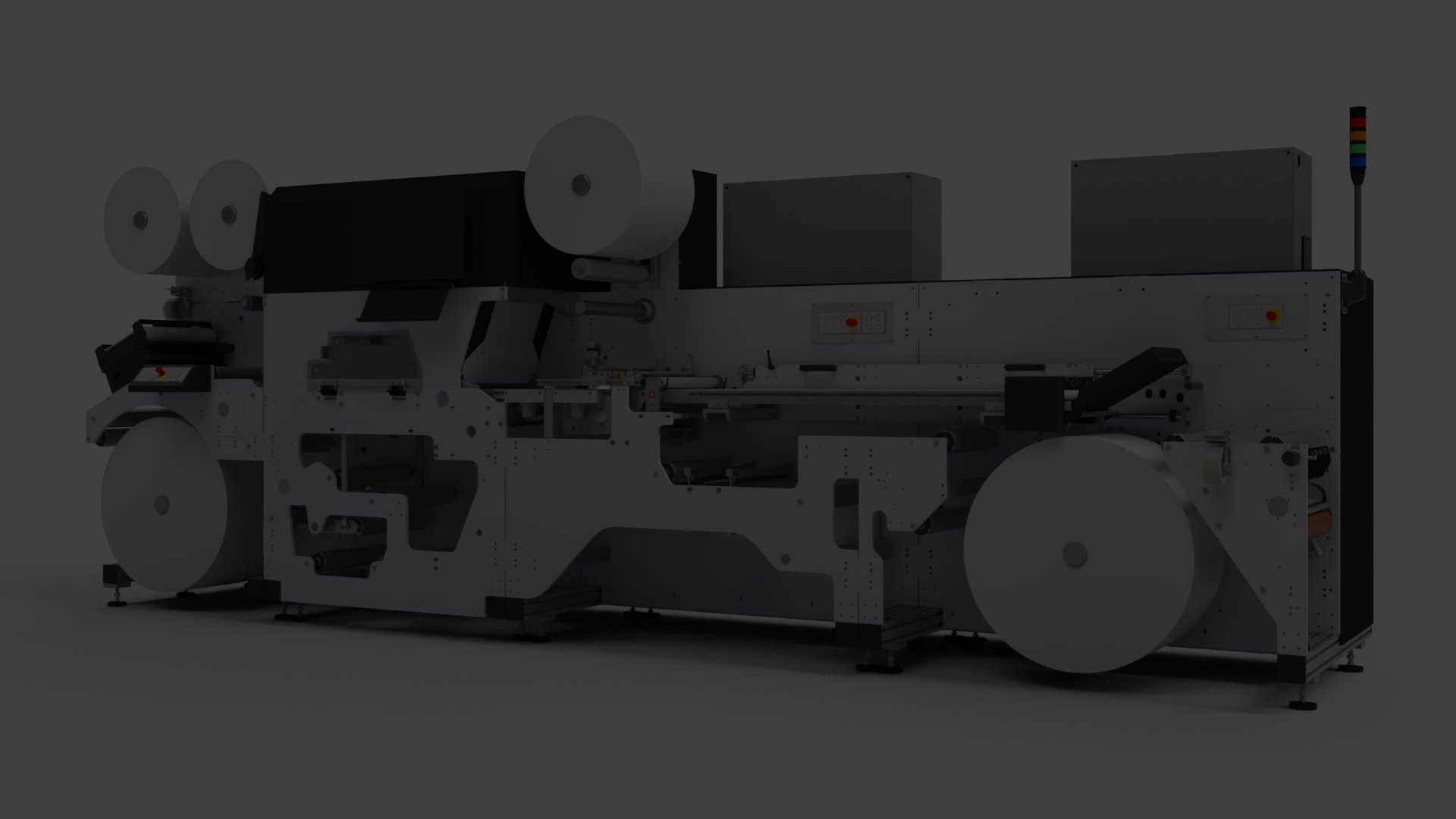
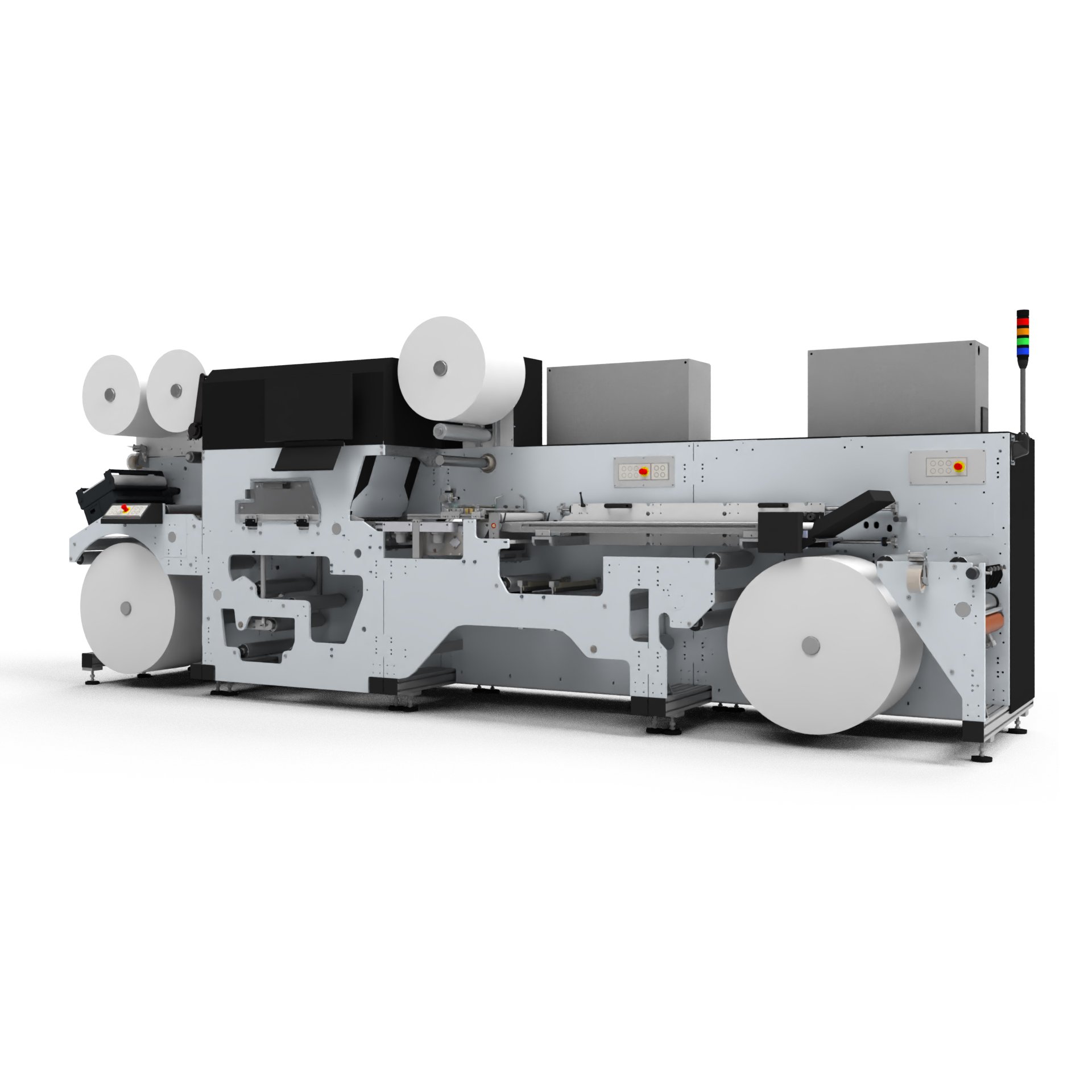
Spartanics M255 Optical Registration Shear Machine for precision sheet cutting

Flagship Shearing System

Spartanics M255 Optical Registration Shear

The global benchmark for registered sheet-to-sheet trimming. Designed specifically for manufacturers processing printed plastic cards, membrane switches, automotive nameplates, and security documentation where registration tolerances are non-negotiable.

  • Precision camera vision sensors read registration marks automatically
  • Holds registration accuracy up to ±0.05 mm (±0.002 in) across wide sheets
  • Heavy-duty rigid frame minimizes vibration for extended blade wear life
  • Intuitive touchscreen control for rapid job file loading and mark selection
Contact Us Technical Specs
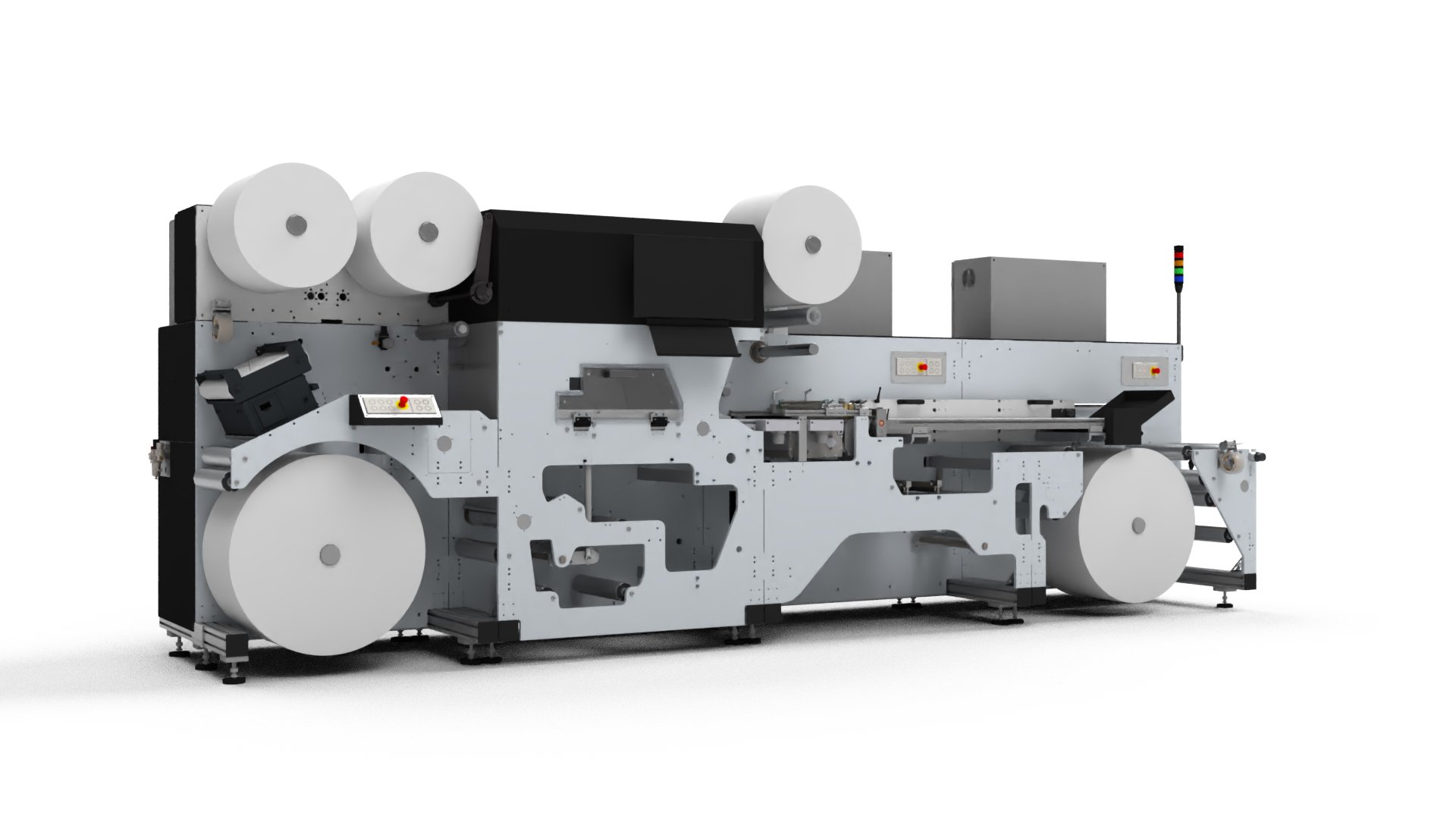
Precision web laser die cutting combined with optical shearing line integration

Hybrid Production Integration

Combining Laser Finishing & Optical Shearing

For converters running high-mix roll-to-sheet workflows, integrating optical registration shearing with Spartanics laser die cutting units creates an end-to-end automated line. Cut intricate internal contours with zero tooling costs, then rapidly shear sheets into stack-ready units with vision alignment.

  • Eliminate costly physical punch dies and long tooling lead times
  • Dynamic web stretch compensation between printing and finishing
  • Ideal for short-run labels, decals, gaskets, and technical foils
Contact Us Laser Systems
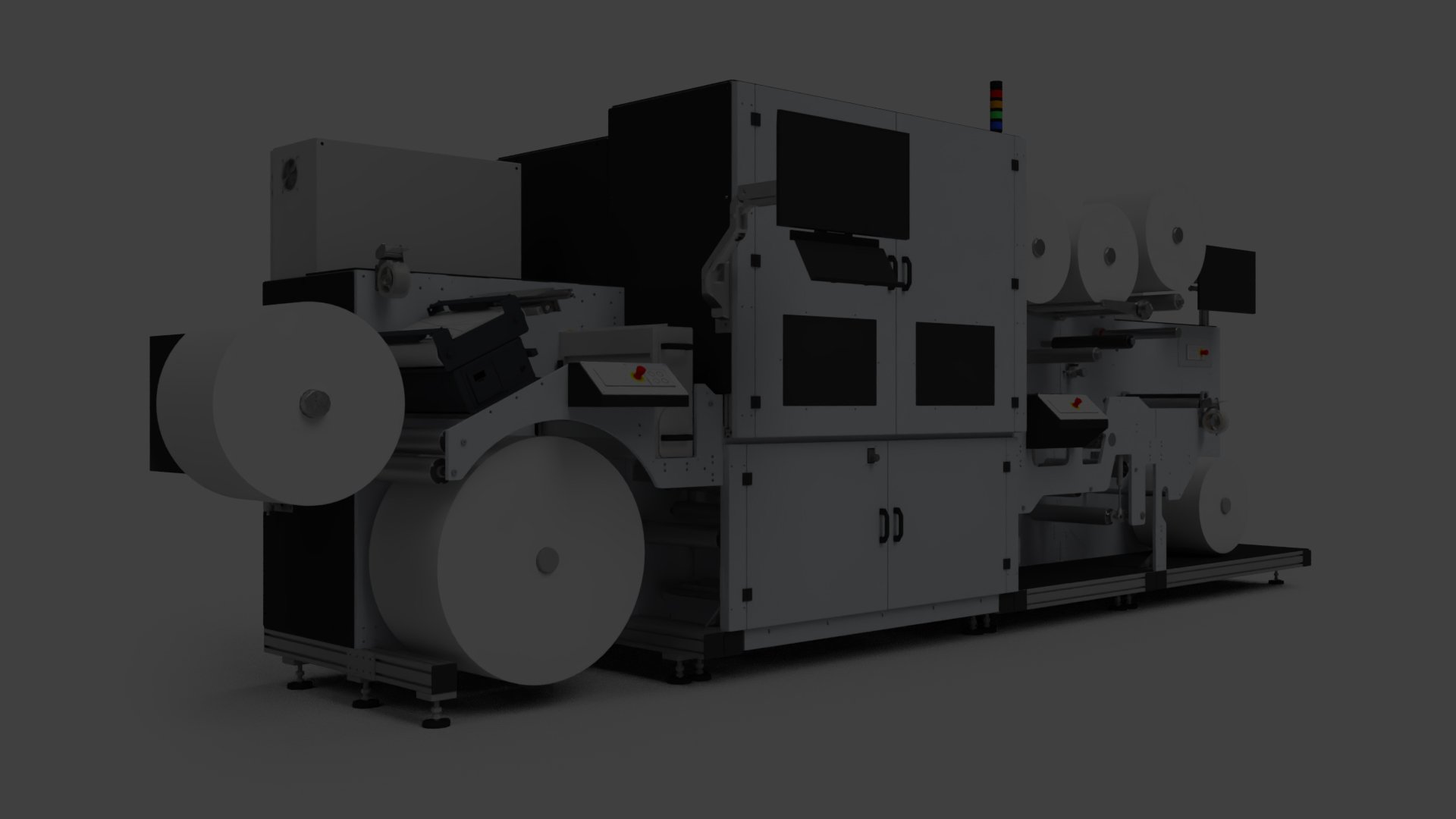
Spartanics CS2100 Modular Roll-to-Sheet converting equipment

Modular Converting Platform

CS2100 Inline Shearing & Finishing Line

Configure complete production lines with web handling, digital printing, lamination, inspection, and high-speed optical registration shearing modules mounted on one rigid, servo-controlled chassis.

  • In-line vision registration for pre-printed continuous roll media
  • Automatic scrap rejection and continuous batch collection options
  • Scalable modular architecture allows upgrading as shop demand grows
Contact Us CS2100 Details
Stacks of plastic cards processed through optical registration shears and card counters

Card & Security Printing

Plastic Card Registered Shearing & Counting

Over 60 years of expertise in plastic card manufacturing equipment. Combine Spartanics optical registration shears for multi-up card sheet trimming with high-speed card counters like the Spartanics 680 to ensure 100% accurate count validation.

  • Shear laminated ID cards, financial cards, and gift card sheets
  • Zero graphic bleed misalignments on overlay and core layers
  • Pair directly with the 680 Card Counter (500 cards verified in 5s)
Contact Us Card Systems
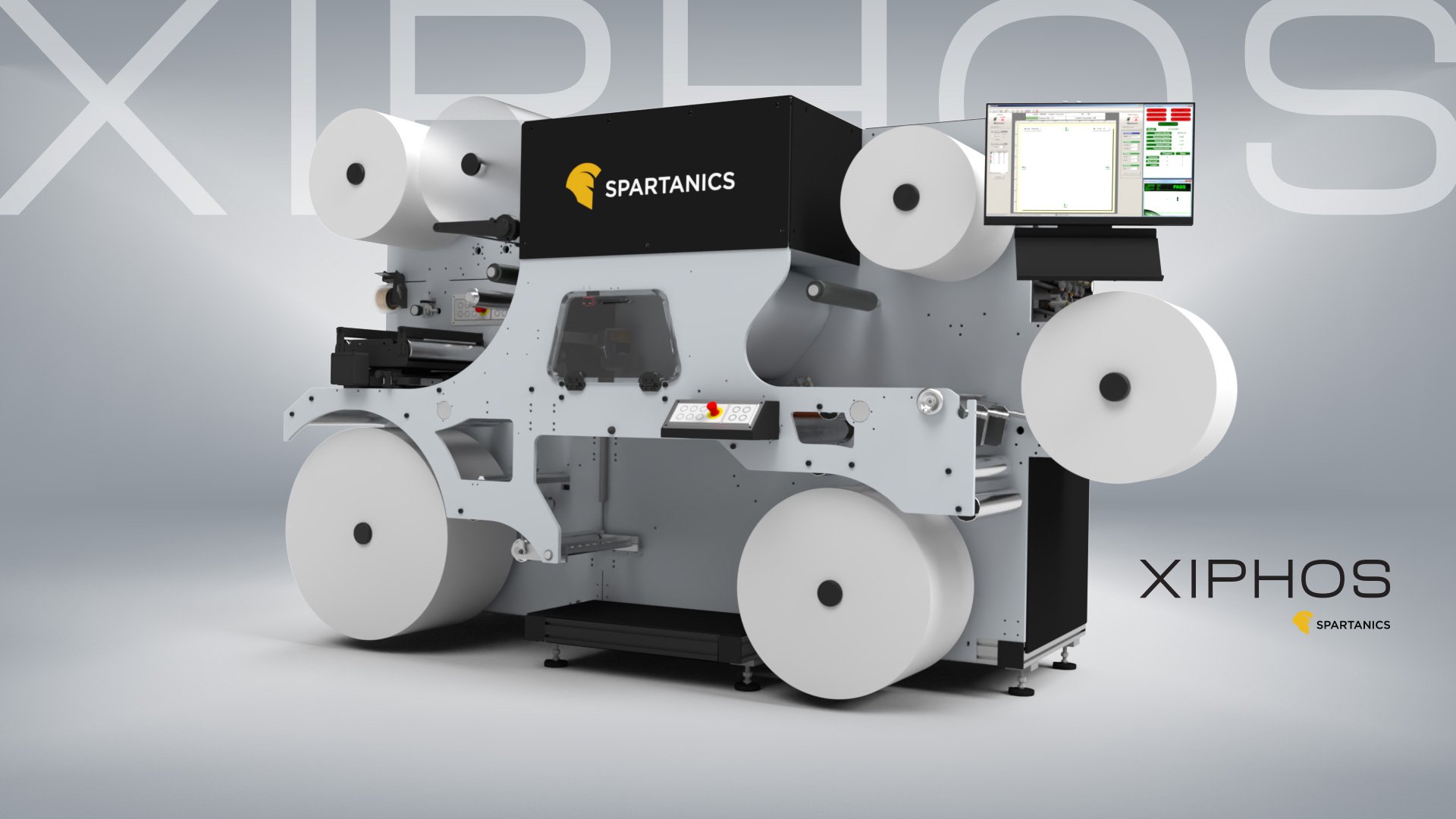
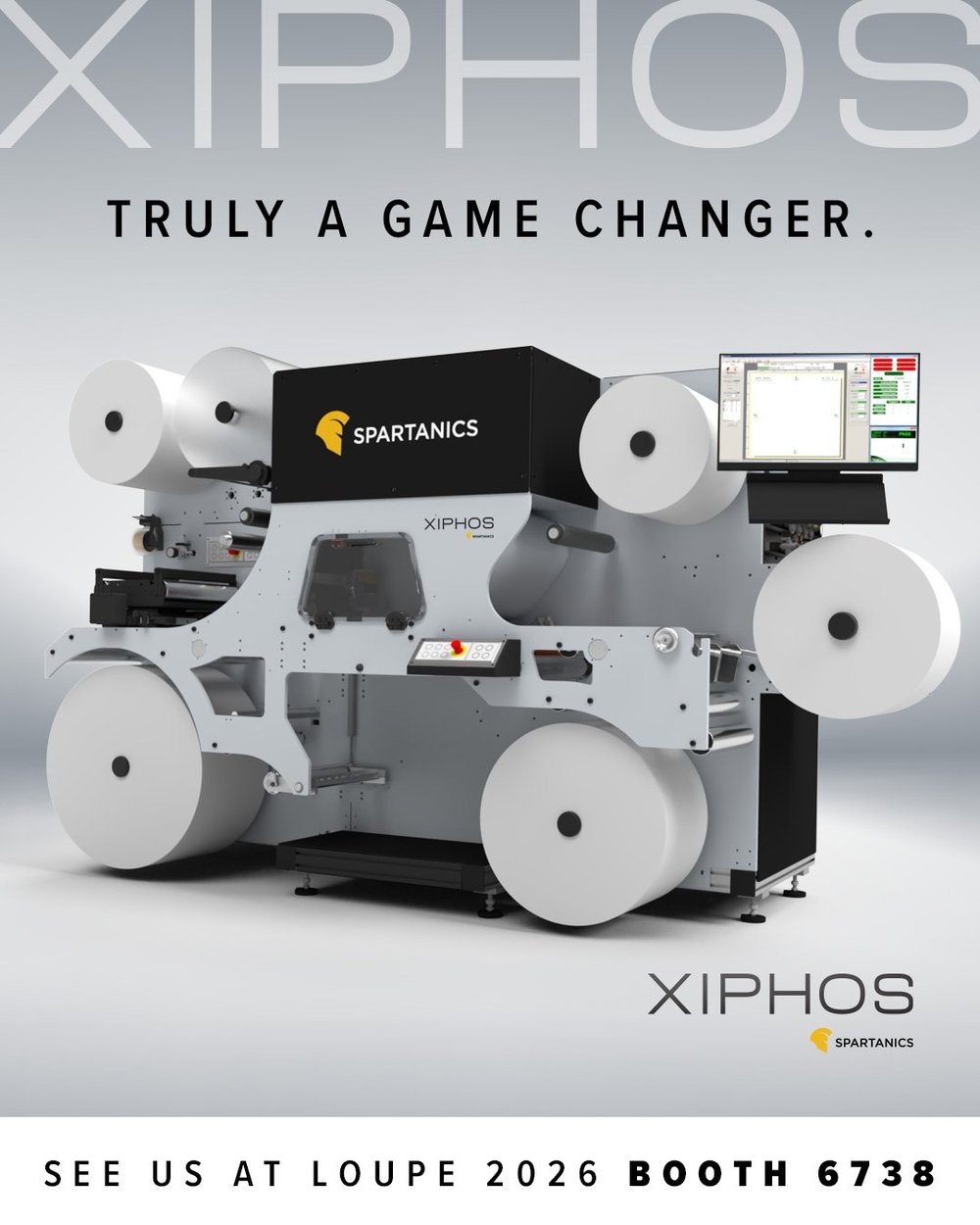
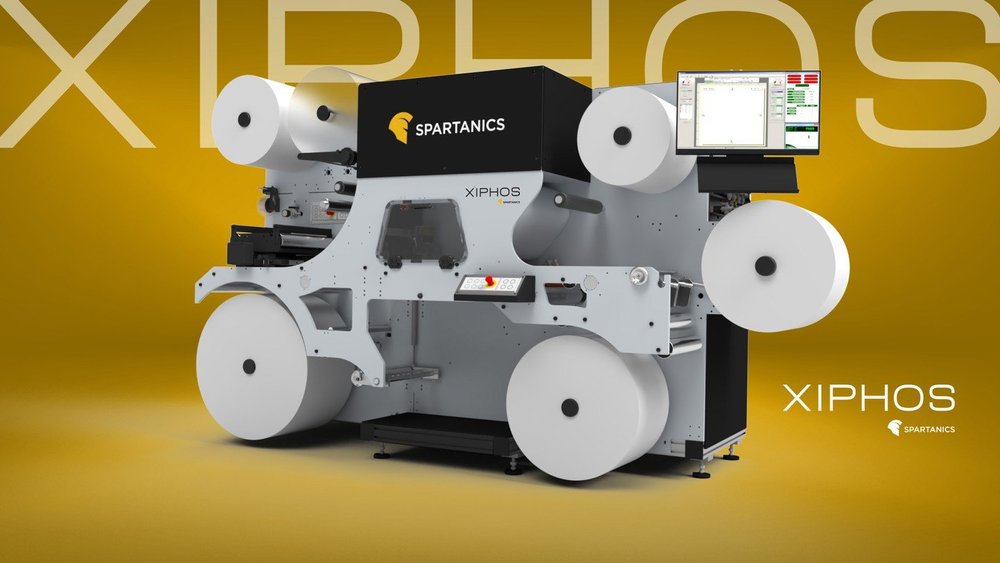
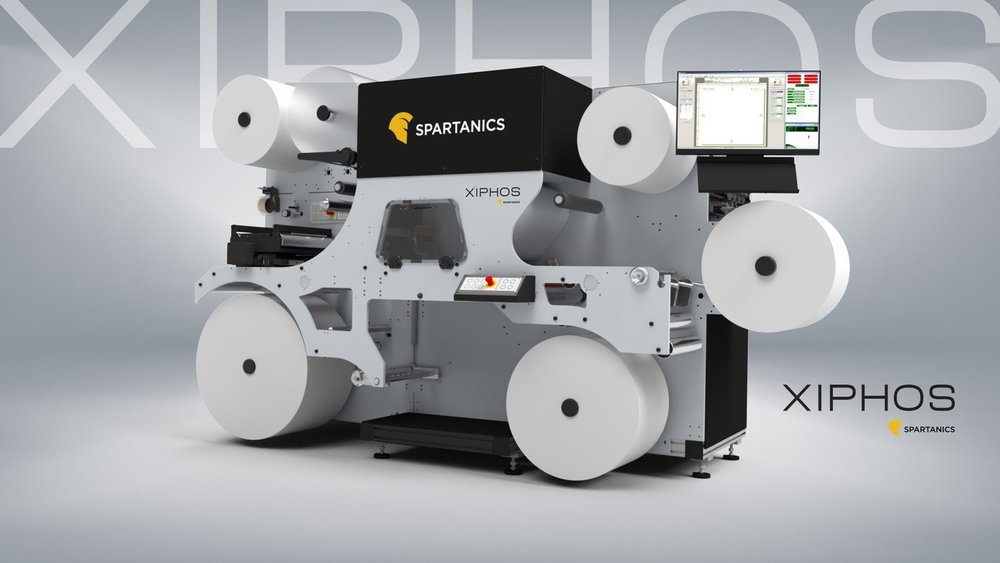
Spartanics XIPHOS compact digital laser finishing and shearing system

Next-Gen Digital Finishing

Compact Laser & Registered Shearing Ecosystems

Combine small-footprint digital laser finishing with optical sheet registration shear equipment to handle short-run custom stickers, industrial overlays, and technical membrane components seamlessly.

Contact Us Explore XIPHOS

Industry Insights & Market Dynamics

Future Procurement Trends in Registered Shearing Equipment (2026–2030)

As global manufacturing shifts toward short-run agility, higher material costs, and automated quality control, procurement managers must evaluate optical registration shears through the lens of long-term economic yield.

1. Shift from Physical Dies to Vision-Guided Shearing

Rising raw material prices for polycarbonates, conductive inks, and specialized adhesive films mean scrap is no longer an acceptable operational cost. Industrial procurement teams are replacing static physical die presses and manual stop shearing with optical registration shears that automatically adjust for sheet-to-sheet artwork variance, saving between 3% and 7% in total material waste annually.

2. AI & Real-Time Defect Telemetry Integration

Modern optical registration shearing units are moving beyond basic crosshair tracking. Next-generation systems integrate AI-driven vision algorithms capable of simultaneously measuring registration marks, inspecting surface print quality, detecting color variations, and flagging distorted sheets before blade execution.

3. High-Mix, Small-Batch SKU Agility

Industrial product lifecycles are shortening. Print converters can no longer afford 45-minute setup times between changing sheet layouts. Modern optical registration shears use recipe-driven software where camera positions, trim dimensions, and registration parameters switch instantly via touchscreen software.

4. Micro-Inch Edge Quality Standards

In electronics and membrane switch production, cut edge micro-fractures lead to short circuits or premature switch failure. Precision optical shearing platforms feature reinforced hydraulic force distribution and tight clearance tool steel blades, providing clean, polished shear edges without delamination or burrs.

Targeted Applications

Where Optical Registration Shearing Delivers Highest ROI

Precision optical registration shear machines excel wherever high-value printed sheets require exacting print-to-cut boundary alignment.

01

Membrane Switch Overlays

Sub-millimeter trim alignment around tactile domes, LED windows, and conductive trace circuits printed on polyester and polycarbonate sheets.

02

Plastic Cards & Government ID

High-precision edge shearing for multi-layer card sheets prior to high-speed die punching and chip embedding.

03

Reflective License Plates

Shearing multi-ton batches of retro-reflective sheeting bonded to aluminium substrates with tight optical registration.

04

Automotive & Industrial Decals

Clean-edge shearing of screen-printed polycarbonate nameplates, instrument clusters, and heavy-gauge warning labels.

05

Printed Electronics & Sensors

Precision registered cutting of flexible solar panels, medical diagnostic test strips, and RFID antenna substrates.

06

In-Mould Decoration (IMD/IML)

Trimming pre-formed or printed IMD film sheets with zero graphic skew prior to thermoforming and injection moulding.

07

Technical Gaskets & Inserts

Shearing multi-layer film laminates with camera vision alignment to ensure exact sealing perimeter dimensions.

08

Security & Financial Print

High-security document trimming, voucher shearing, and tax stamp sheet sizing with complete digital registration logs.

Enterprise Trust & E-E-A-T Credentials

Why Global Procurement Leaders Choose Spartanics

Since 1963, Spartanics has engineered industrial machinery in Rolling Meadows, Illinois, USA. We don't just build converting machines — we pioneer precision technologies that lower unit costs and eliminate production waste.

100% US-Engineered & Factory Run-Tested

Before any Spartanics optical registration shear leaves our Illinois facility, your production material is test-run on the machine. Cut tolerances, vision registration speed, and edge squareness are rigorously measured and documented before crate shipment.

Deployed Across 60+ Countries

With thousands of machines operational worldwide, Spartanics systems support critical production lines in North America, Europe, Asia, Latin America, and the Middle East backed by direct remote diagnostics and expert field engineering.

Decades of Vision Sensor & Software Expertise

Our proprietary vision alignment algorithms are continuously refined. We solve complex optical challenges including low-contrast marks, reflective foils, irregular stretch distortion, and variable ambient factory lighting conditions.

Global Spare Parts & Lifetime Technical Support

We maintain comprehensive spare parts inventory and offer 24/7 remote optical diagnostics. Spartanics machines installed over 30 years ago are still actively running in high-production facilities globally.

Proven In Production

Trusted by High-Precision Converters Worldwide

StickerGiant — Spartanics registered finishing customer Label and technical sheet converting customer of Spartanics equipment MakeStickers — Spartanics digital shearing and cutting customer

Search Intent & Technical FAQ

Frequently Asked Questions: Optical Registration Shears

In-depth answers to common questions asked by buyers, manufacturing directors, and AI search tools regarding registered optical sheet cutters.

A standard industrial mechanical shear (or guillotine cutter) indexes sheets using physical back-gauges or side stops against unprinted sheet edges. This mechanical method assumes that the physical edge is perfectly parallel and square to the printed graphics. However, during screen-printing, thermal drying, lamination, or roll slitting, materials stretch, shrink, and deform non-uniformly.

An Optical Registration Shear ignores physical sheet edges completely. Integrated industrial CCD cameras view pre-printed registration targets or fiducial marks on the artwork itself. The machine's motor-driven registration table automatically translates and rotates the sheet along X, Y, and Theta axes to align the shear blade directly with the graphic print lines. This ensures sub-millimeter accuracy regardless of edge variations or material distortion.

Contact Us

The Spartanics M255 Optical Registration Shear routinely achieves print-to-cut registration accuracy down to ±0.05 mm (±0.002 inches). Actual tolerances depend on factors such as substrate stability, target mark contrast, and sheet flatness. By holding these tight tolerances, converters eliminate white-edge leaks, misaligned membrane switch windows, and non-conforming plastic card dimensions.

Contact Us

Spartanics vision algorithms are engineered for maximum flexibility. The CCD cameras can recognize standard crosshairs, solid circles, square targets, corners, L-marks, or distinct graphic features on the artwork. Multi-spectrum illumination allows reading dark marks on light backgrounds, light marks on dark media, reflective metallic inks, and clear varnish targets on translucent polycarbonates.

Contact Us

Yes. Spartanics shears are engineered with heavy-duty steel side frames, ground D2 tool steel blade assemblies, and high-force hydraulic or mechanical drive mechanisms. Compatible substrates include thin flexible polyesters (PET) down to 0.1 mm up to rigid polycarbonates, heavy PVC, aluminum-backed composite sheets, and reflective license plate materials up to 1.5 mm+ depending on machine configuration.

Contact Us

Edge burrs occur when shear blades flex under force or have improper clearance gaps. Spartanics shears feature ultra-rigid blade beds with micrometer blade gap adjustments. This ensures a clean scissor-shearing action across the entire sheet width, leaving smooth, burr-free edges essential for downstream automated stacking, lamination, or membrane assembly.

Contact Us

Most converters achieve full machinery payback within 6 to 14 months. Savings come from three primary areas: (1) Scrap reduction of 3% to 7% on high-value substrates like conductive ink membranes or polycarbonate layers, (2) Eliminating manual measurement and rework time, and (3) Faster job setup times with software recipe loading.

Contact Us

Spartanics equipment operates in over 60 countries worldwide. Overseas installations are supported by factory-trained regional engineering partners and direct USA remote support. Our systems feature built-in ethernet diagnostic modules allowing Spartanics vision engineers in Rolling Meadows, Illinois to troubleshoot camera calibration, software settings, and PLC logic remotely in real time.

Contact Us

Factory Operations

Follow Spartanics Engineering @spartanics8

Ready to Eliminate Registration Scrap?

Send our applications engineering team your printed sheet samples, registration requirements, and production targets for a comprehensive technical assessment.

Contact Us