Explore our CE certified portfolio of automated sheet screen printing, roll-to-roll web converting, and high-speed multi-layer card collation and die cutting solutions.
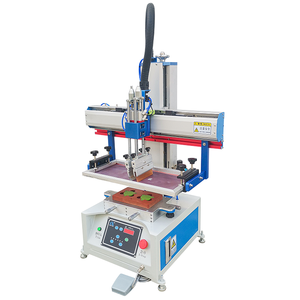
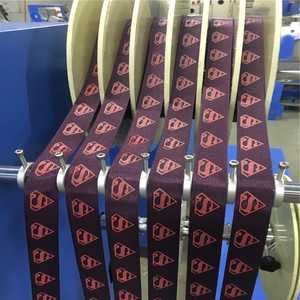
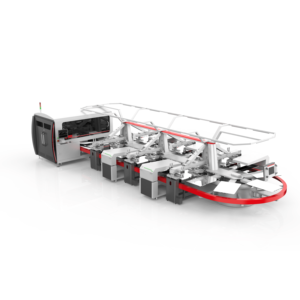
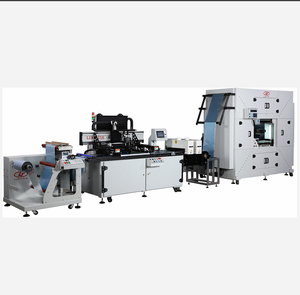
In modern smart card manufacturing—spanning ISO/IEC 7810 ID-1 national identity cards, RFID contactless payment cards, dual-interface banking cards, and high-durability polycarbonate security credentials—the layer-by-layer assembly process represents the most critical determinant of structural integrity and electrical functionality. An automated Card Collator serves as the technological linchpin between pre-printed core sheets, magnetic stripe film overlays, tactile anti-counterfeiting micro-structures, and sensitive embedded transponder inlays (Inlay ICs).
Achieving ultra-precise register alignment during multi-layer collation requires overcoming major physical challenges, such as static charge accumulation on polymer substrates (PVC, PET-G, Polycarbonate, Polypropylene), thermal expansion during preliminary spot welding, and mechanical stretch during high-speed feeder suction transport. As a pioneer in optical registration and precision web/sheet handling since 1963, our equipment engineers automated collation platforms that integrate industrial vision sensors, ultrasonic tacking heads, and servo-driven pin-registration systems.
Information Gain Note: Unlike conventional mechanical collators relying solely on physical edge-pushers, CE certified modern collators incorporate CCD vision registration algorithms that align internal print registration marks or metallic antenna contours down to ±0.025 mm tolerances prior to heat-tacking or ultrasonic point-welding.
For international converters operating across the European Economic Area (EEA) and global markets requiring strict risk mitigation, purchasing a genuine CE Certified Card Collator guarantees compliance with mandatory European harmonized health, safety, and environmental standards. CE marking is not merely a declaration; it reflects rigorous third-party and factory engineering assessments under the following key standards:
Enforces comprehensive mechanical safety, dual-circuit safety interlocks, light curtains, emergency stop circuits, and ergonomic risk reduction across all moving feeder arms and ultrasonic actuators.
Protects high-frequency RFID transponders and internal PLC logic controls from electro-magnetic interference caused by high-power ultrasonic welding generators and industrial servo drives.
Mandates strict electrical isolation, short-circuit protection, standardized cabinet wiring, and grounding across all high-voltage heating element modules and screen printing UV curing rigs.
To produce laminated sheets ready for high-pressure hydraulic lamination, a state-of-the-art card collator executes a synchronized multi-stage cycle:
Building upon over 60 years of US-built precision machine engineering from our headquarters in Rolling Meadows, Illinois, Spartanics has supplied over 3,000 advanced industrial systems installed across 60+ nations. Our card manufacturing systems, screen printing lines, and optical registration shears are designed for operations that measure profitability in microns and continuous uptime.
| Engineering Parameter | Standard Market Collators | Spartanics CE Certified Systems | Operational Impact & ROI |
|---|---|---|---|
| Registration Method | Mechanical Edge Pins | Optical CCD Vision Alignment | Eliminates edge-trimming distortion & reduces waste by up to 3.8%. |
| Layer Tacking Technology | Single-Point Thermal Heat | Multi-Head Ultrasonic Servo Tacking | Prevents thermal shrinkage of Polycarbonate and prevents chip damage. |
| Substrate Versatility | Standard PVC Only | PVC, PET-G, PC, Teslin, Bio-PVC, PLA | Future-proofs production for sustainable eco-card substrates. |
| Pre-Shipment Quality Testing | Dry Run (No Materials) | 100% Material Run-Tested in USA | Guarantees zero-day integration upon delivery at client factory floor. |
| Global Service Architecture | Third-Party Ticket System | 24/7 Factory-Trained Tele-Diagnostics | Immediate remote PLC troubleshooting minimizes unplanned downtime. |
Every card collator and screen printer is validated using your exact production substrates and artwork files at our US factory prior to shipment.
Expand your line effortlessly. Our collators seamlessly integrate with upstream roll-to-sheet screen printers and downstream optical registration shears.
Equipped with optical vision algorithms engineered specifically for anti-counterfeiting security features, micro-text, and clear window registration.
As global regulatory bodies enforce strict sustainability guidelines and financial institutions accelerate the transition to eco-friendly payment credentials, card manufacturers are facing a major shift in production requirements. Strategic buyers must anticipate these trends when evaluating long-term capital equipment acquisitions:
Traditional PVC cards are rapidly losing market share in government e-ID, driving license, and passport card programs in favor of 100% Polycarbonate structures. Polycarbonate layers cannot be separated without destroying the card, making them virtually tamper-proof. However, PC requires significantly higher lamination temperatures and precise ultrasonic collation tacking parameters to prevent core distortion. Modern CE certified card collators are engineered with closed-loop pressure feedback to handle thin 50-micron PC films without stress fractures.
Manual sampling is no longer acceptable for high-security applications. Future-proof procurement requires card collating lines equipped with real-time AI optical inspection modules. These vision systems inspect 100% of sheets during the collation sequence—checking for dust contamination, printed offset errors, scratch defects on magnetic stripes, and antenna continuity on RFID inlay sheets before ultrasonic welding takes place.
With global ESG mandates pushing financial issuers toward rPVC, Ocean Plastic, and bio-based PLA, card production machinery must maintain extreme feeding versatility. These sustainable substrates often exhibit varying surface friction coefficients and electrostatic tendencies. Next-generation collators integrate dynamic suction profiles and active pneumatic ionization systems to prevent line stoppages and double-sheet feeds.
Consult with our senior application engineers to review your substrate specifications, registration tolerances, and production capacity requirements. Receive a customized CE certified equipment solution engineered to maximize yield.
Get a Quote