In modern converting environments—spanning flexible packaging, thermal paper manufacturing, non-woven hygiene filter materials, battery separators, and specialty pressure-sensitive labels—the Slitter Rewinder Machine is the definitive gatekeeper of finished roll quality. Sourcing high-yield equipment from elite Chinese manufacturers offers unparalleled ROI by merging robust heavy-duty mechanical frames with sophisticated closed-loop servo tension electronics.
Engineered for high-volume paper, film, foil, tape, and composite substrate converting.
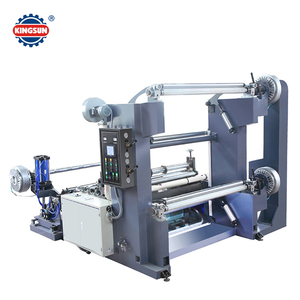
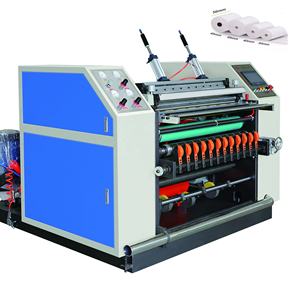
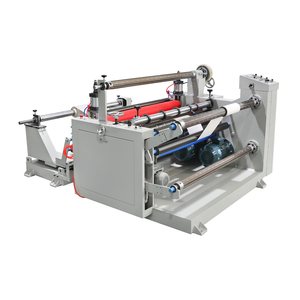
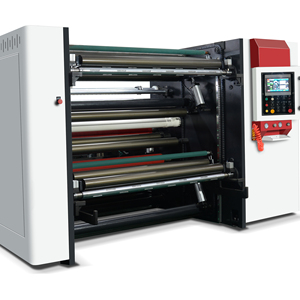
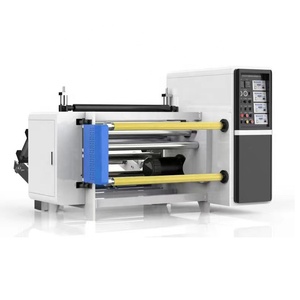
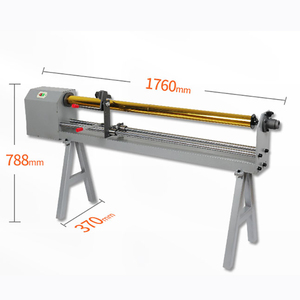
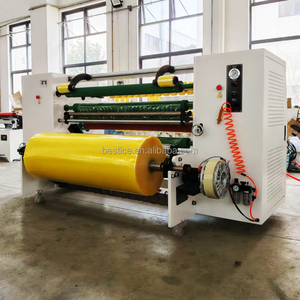
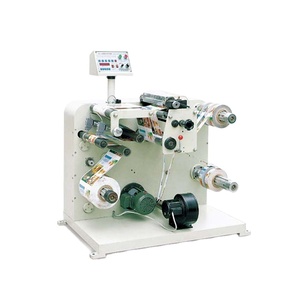
As production line throughput demands increase, buying decisions must factor in Industry 4.0 automation, ultra-thin substrate handling, and zero-defect quality control.
Traditional magnetic powder brake systems suffer from thermal decay and inconsistent torque at variable roll diameters. Next-generation Chinese slitter rewinders employ dual or triple AC vector servo motors combined with pneumatic dancer rollers and load cell transducers to maintain continuous web tension within ±0.05 N.
To reduce changeover downtime from hours to under 3 minutes, modern production lines integrate motorized robotic knife setters. Coupled with four-shaft automatic turret rewinding modules, operators can maintain non-stop slitting operations for high-volume packaging film and BOPP pressure-sensitive tapes.
With market demand shifting towards sustainable bio-based PE, melt-blown air filtration media, and ultra-thin 12-micron PET films, machine geometry must eliminate web telescoping, interweaving, and static build-up. Modern pneumatic differential shafts ensure every slit roll maintains identical density regardless of caliper variation.
Selecting the wrong slitting technology leads to edge burrs, excessive dust, or material tearing. Review the technical matrix below based on your target substrate.
| Slitting Method | Optimal Substrates | Max Operating Speed | Edge Quality & Precision | Tooling & Maintenance |
|---|---|---|---|---|
| Shear Cutting (Rotary Male/Female) | Heavy Paperboard, Kraft Paper, Multi-layer Laminates, Aluminium Foil | Up to 800 m/min | Ultra-clean, burr-free edges; zero particle generation | High precision setup required; long blade lifespan |
| Razor Cutting (In-Air / In-Groove) | Cast Film, BOPP, PVC, Thin PET, Unoriented Films | Up to 500 m/min | High edge crispness; ideal for thin gauges (<50 microns) | Low setup cost; quick blade replacement required |
| Burst / Crush Cutting | Non-Woven Fabrics, Medical Dressings, Textiles, Synthetic Leather | Up to 350 m/min | Sealed edges; prevents fiber fraying and edge separation | Hardened anvil roll maintenance; pneumatic control |
| Differential Friction Slitting | Variable Caliper Substrates, Label Stock, Co-extruded Films | Up to 600 m/min | Prevents uneven roll hardness and web telescoping | Advanced differential ball shaft components |
Leading Chinese exporters bridge the gap between heavy-duty structural engineering and advanced electronic automation. Drawing from globally established precision standards (such as US-engineered optical registration and robust machine frame design principles), top-tier Chinese manufacturers subject every slitter rewinder to grueling factory test protocols before shipment.
All guide rollers and air shafts undergo high-speed G2.5 dynamic balancing to prevent machine vibration at speeds exceeding 600 m/min.
CCD sensor-based web guiders dynamically detect printed lines or substrate edges, executing instant servo motor lateral corrections within ±0.05 mm.
Client materials are fully run-tested under real production speed conditions at the manufacturing facility prior to export crate sealing.
Crucial technical and logistical answers for procurement managers and process engineers.
Duplex slitter rewinders utilize two independent rewind shafts driven by separate motors or differential friction rings. This configuration is essential for handling materials with varying cross-web thickness (such as printed films or label stock) because each roll maintains independent tension control. Surface rewinders, conversely, rely on driven contact drums pressing against the winder rolls, making them exceptionally fast and efficient for uniform paper rolls, thermal POS paper, and heavy paperboard.
Differential air shafts consist of independent friction rings sliding over a central shaft core controlled by internal air pressure. Because plastic films and paper stock possess minor gauge variations across their width, standard solid shafts cause tighter rolls on thick sections and loose/telescoping rolls on thin sections. Differential rings slip independently when tension spikes, allowing every slit roll to slip or grip custom-tailored to its exact diameter and thickness profile.
As a rewind roll increases in diameter and weight, maintaining constant internal torque causes excessive internal pressure, leading to core crushing, "starring" (star-shaped side profiles), or web stretching. Taper tension control automatically decreases the rewinding tension as the roll diameter expands according to a preset curve (e.g., reducing tension by 10%–30%), ensuring a tight core with uniform, stress-free outer layers.
Modern Chinese export machinery features integrated Ethernet telemetry (PLC IoT modules). This enables engineering teams to remotely access machine PLC programs, diagnose sensor faults, adjust servo parameters, and provide firmware updates via secure VPN connections worldwide. Spare parts, blade replacements, and pneumatic components are standardized with internationally accessible brands (e.g., Siemens, Schneider, SMC, AirTAC) for rapid local availability.
Connect directly with senior machine application engineers. Request tailored engineering drawings, sample material trial video runs, and FOB/CIF price quotes.
Inquire Now