In high-precision manufacturing, the distinction between standard digital print devices and industrial-grade converting engines is defined by mechanical stability, micro-fluidic control, optical alignment, and high-duty cycle integration. As industrial buyers look to China for next-generation equipment, sourcing decisions require looking beyond initial purchase price to consider total cost of ownership (TCO), printhead jetting frequency, ink viscosity handling, dynamic web tensioning, and servo-driven repeatability.
Modern Chinese manufacturing facilities have evolved beyond basic assembly into advanced engineering hubs. Integrating world-class components—such as Japanese piezoelectric industrial drop-on-demand (DOD) printheads, German linear motor guides, Schneider/Siemens PLC control systems, and high-speed optical registration cameras—Chinese OEM factories produce hybrid screen-printing and industrial digital inkjet platforms that match top Western standards at optimized capital expenditure ratios.
Below is our technical equipment catalog. Every system undergoes full factory acceptance testing (FAT), dynamic substrate validation, and micro-registration calibration before export.
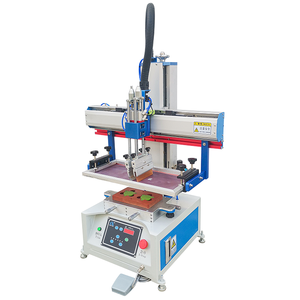
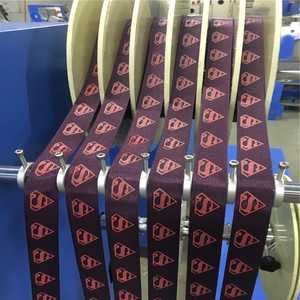
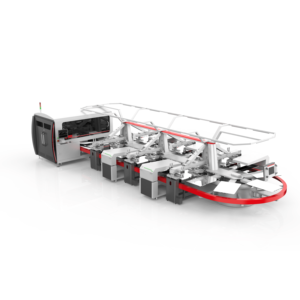
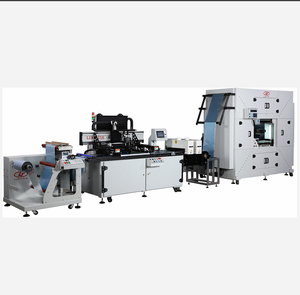
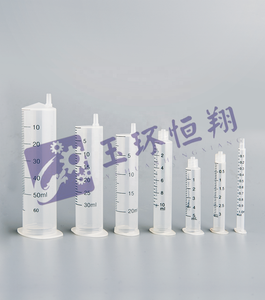
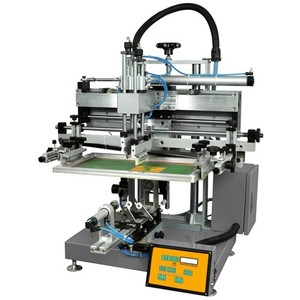
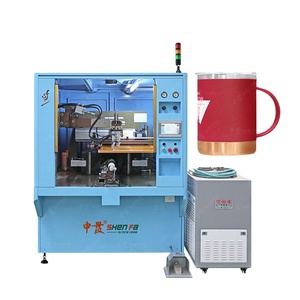
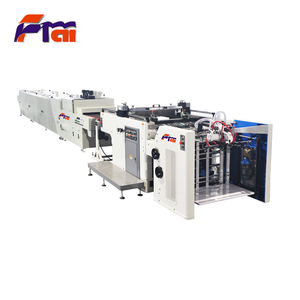
Building reliable manufacturing equipment requires deep design experience, tight mechanical tolerances, and quality verification protocols. Combining 60+ years of industrial finishing heritage—inspired by Spartanics engineering standards—with advanced Chinese automation assembly, our equipment provides long-term operational accuracy.
Our vision-guided system uses high-resolution CCD cameras to scan register marks in real time. The digital controller automatically corrects web drift, stretching, and rotation skew down to ±0.02 mm before ink deposit.
Continuous ink recirculation directly behind the printhead nozzle plate prevents sediment settling in high-opacity white and metallic inks. This eliminates nozzle clogging and reduces printhead purge frequency.
Machined from solid stress-relieved steel plates and aircraft-grade aluminum frames, our chassis minimize high-frequency vibration during continuous fast printing, preserving precise drop placement.
Compare operational characteristics across major industrial printing platforms to align machine choice with your production needs:
| Technology Platform | Primary Substrates | Max Optical DPI | Registration Precision | Best Production Run Size |
|---|---|---|---|---|
| Single-Pass Industrial Inkjet | PET, PVC, Paper, Membrane Switches | 1200 x 1200 DPI | ±0.025 mm | Short to Ultra-Variable SKUs |
| Servo Flatbed Screen Printer | Glass, Metal, Battery Shells, Rigid PC | Screen Mesh Dependent | ±0.015 mm | Medium to High Single-Design Runs |
| Roll-to-Roll Webbing Printer | Satin, Nylon, Polyester Tapes | 720 x 1440 DPI | ±0.04 mm | High Volume Continuous Webbing |
| Hybrid Oval Digital-Screen | Textiles, Apparel, Cut Panels | 600 x 1200 DPI (Digital) | ±0.03 mm | Multi-Color Mass Customization |
Industrial printing equipment procurement is shifting toward modularity, digital-screen hybrid setups, and green curing technology. Global converters, label manufacturers, and OEM device builders are adjusting their purchasing criteria based on key industry shifts:
Standalone screen printing or pure digital inkjet setups are increasingly being replaced by hybrid systems. Combining screen printing for high-opacity white base layers or tactile varnishes with digital inkjet modules for variable data and fine graphics delivers low unit costs while maintaining quick job changeovers.
Traditional mercury vapor lamps are being replaced by high-output LED-UV curing arrays. LED-UV pinning immediately freezes ink droplets upon contact, preventing dot gain on non-porous synthetic films (such as PET, Polycarbonate, and Polypropylene) while reducing power consumption by up to 65% and eliminating ozone emissions on the plant floor.
Handling thin flexible printed circuits (FPC) or ultra-thin film labels requires steady web tension. Advanced machines now use multi-axis servo drives paired with magnetic particle brakes and ultra-sensitive dancer arms, preventing material distortion and registration errors.
Industrial drop-on-demand (DOD) printing performance depends heavily on physical printhead mechanics and drop formation dynamics. Recent engineering developments integrated into top Chinese manufacturing plants include:
To help procurement teams evaluate suppliers, we have compiled detailed answers to common industrial sourcing questions:
Digital inkjet excels in short-to-medium production runs, customized short-order SKUs, and jobs requiring variable serial numbers or barcodes. It eliminates screen film preparation, emulsion coating, exposures, and washing downtime. However, for ultra-high opacity solid white layers, thick tactile varnishes, or functional conductive inks (e.g., silver pastes for membrane switches), serigraphic screen printing remains the most cost-effective solution. Hybrid machines offer the best of both worlds.
High-tier factories use closed-loop vision registration systems paired with multi-axis servo controllers. High-speed optical CCD cameras track pre-printed registration marks on the web edge. The controller adjusts the printhead carriage or screen frame placement on-the-fly, compensating for substrate expansion, mechanical stretch, or thermal drift down to ±0.02 mm tolerances.
Our platforms integrate proven industrial printheads based on client application specs. Popular choices include Epson I3200/S3200 heads for high-resolution graphics, Kyocera KJ4A/KJ4B for high-speed roll-to-roll single pass lines, and Ricoh Gen5/Gen6 heads for solvent or UV-curable industrial applications requiring drop durability and wide ink viscosity support.
Prior to crating and shipping, client-specified substrates are run through the machine at full rated speeds in our factory. Live video streaming inspections, micro-meter alignment audits, and print quality reports are documented. Customers can also send their own technicians or third-party inspectors (such as SGS or TÜV) to verify machine specifications before balance payment and export dispatch.
Machines include an essential spare parts kit (such as solenoid valves, optical sensors, seals, and scraper blades). Remote diagnostics modules installed in the main PLC allow factory engineers to inspect parameter logs, update firmware, and troubleshoot electrical or motion errors online. Replacement mechanical parts ship via DHL/FedEx express within 24 hours.
Depending on the system configuration, our machinery supports UV-LED curable inks, eco-solvent inks, water-based pigment inks, reactive textile inks, and specialized screen printing pastes (including ceramic, silicone, conductive silver, and high-gloss dielectric coatings).
Send us your target substrate details, production speed goals, and drawing specifications. Our engineering team will review your project and provide a technical assessment within 24 hours.