Explore our export-ready roll converter machinery, precision laser systems, and automated paper converting lines.
The global web converting machinery landscape is experiencing a paradigm shift driven by automation, material diversity, and the requirement for rapid job changeover. As a premier China wholesale roll converter manufacturer & exporter, our facility bridges US-originated precision engineering designs—derived from Spartanics’ 60-year mechanical and laser heritage—with agile, cost-competitive manufacturing infrastructure in China.
Modern industrial roll converting demands uncompromising control over web tension, slitting accuracy, registration alignment, and waste reduction. Whether processing paper jumbo rolls (up to 2850mm wide), pressure-sensitive adhesive labels, flexible packaging films, membrane switch overlays, or technical non-woven substrates, choosing the correct roll-to-roll (R2R) or roll-to-sheet converting architecture directly dictates operating profitability, scrap rates, and overall equipment effectiveness (OEE).
Information Gain Insight: Closed-loop servo-driven tension management combined with optical laser registration reduces web stretch deformation by up to 34% compared to traditional mechanical friction brakes, allowing converters to process ultra-thin 12-micron PET films without web breaks.
Roll converting machinery encompasses diverse specialized sub-systems engineered for distinct substrate behaviors and production volumes:
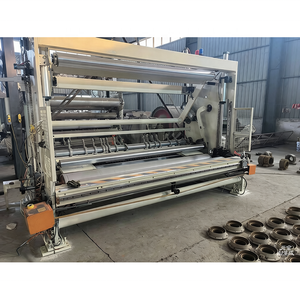
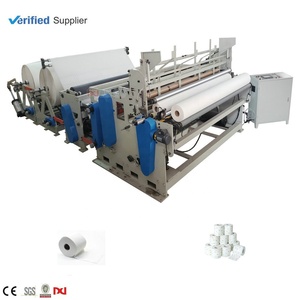
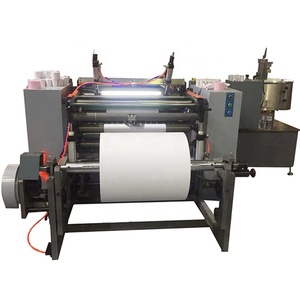
Engineered for high-tonnage tissue, packaging paper, and board conversion. Features pneumatic differential friction shafts, automatic edge guiding (EPC/LPC), and shear blade slitting capable of speeds reaching 300 to 800 m/min.
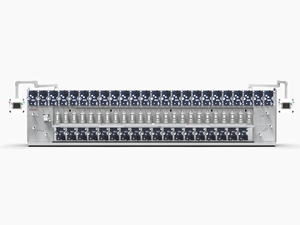
Designed for intricate adhesive tapes, medical diagnostic strips, and multi-layer laminates. 24-station configurations enable inline kiss-cutting, laminating, island placement, and matrix waste stripping in a single pass.
Tooling-free finishing platforms (such as the XIPHOS and CS2100 series). Galvanometric CO2 lasers focus spot sizes down to 0.004" (0.1 mm) for micro-perforations, complex contours, and instant digital shape changeovers.
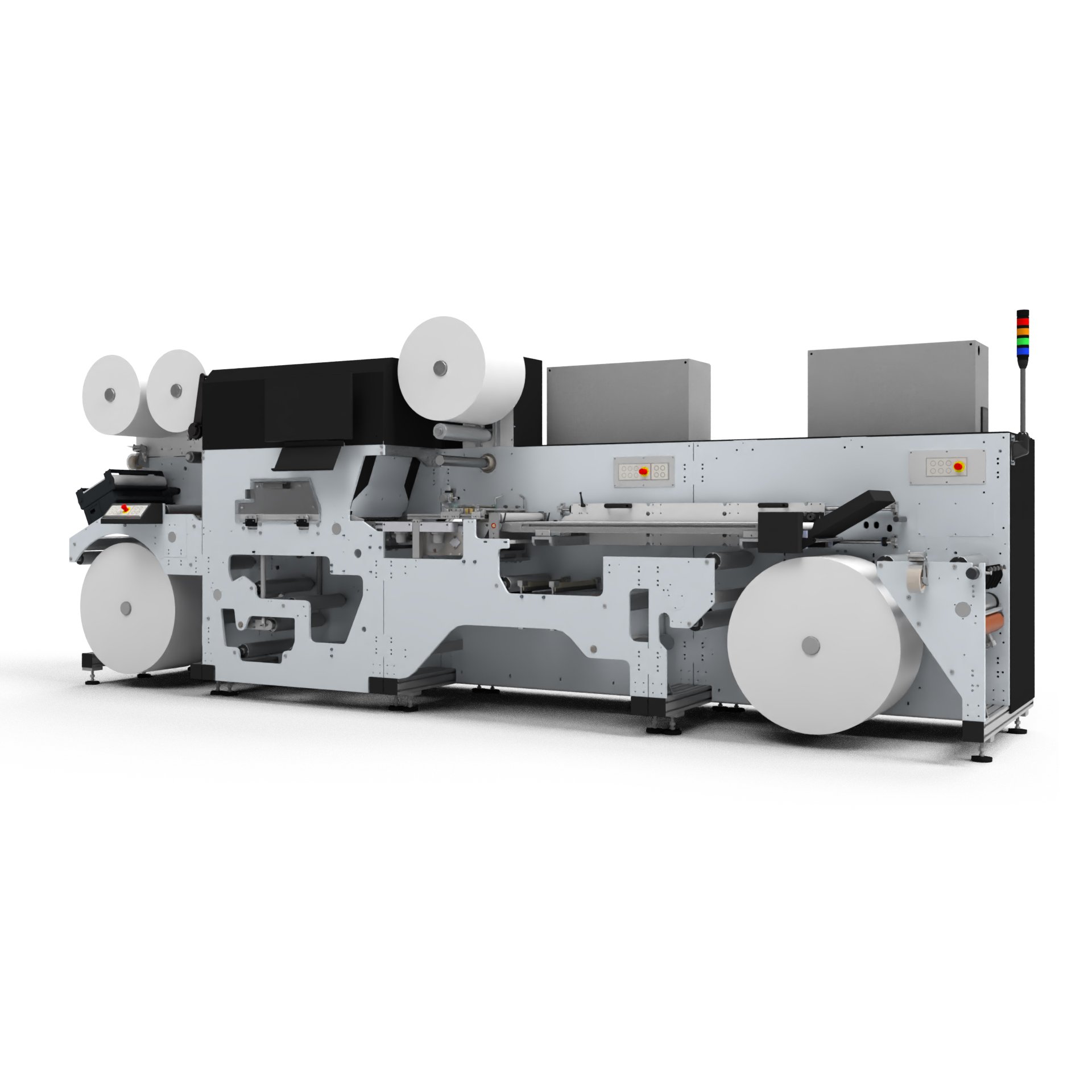
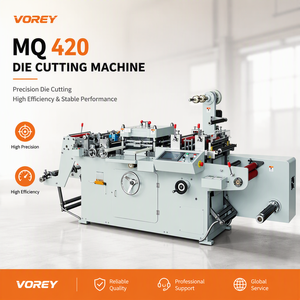
A critical financial decision for print converters and packaging plants is selecting between digital laser cutting and mechanical rotary die tooling. While rotary die cylinders provide fast mechanical throughput for long, single-SKU runs, laser converting eliminates die tooling costs, plate lead times, and physical die storage entirely.
Economic Break-Even Point: For production runs under 15,000 linear meters or jobs requiring multi-versioned SKUs, laser converting lowers total job cost by up to 42% by eliminating setup downtime and physical die sharpening overhead.
As global supply chains realign, procurement executives and plant managers must evaluate roll converter machinery based on total cost of ownership (TCO), industrial telemetry integration, and sustainable web handling capabilities. Procurement strategies are shifting from basic hardware purchase price toward long-term operational performance metrics.
Modern converting lines are equipped with OPC-UA communication protocols, real-time web tension sensors, and cloud telemetry. Factory engineers can perform remote diagnostics, firmware updates, and predictive maintenance monitoring worldwide.
With tightening environmental regulations, converters require automated matrix waste rewinding, continuous trim extraction, and energy-efficient servo drives that recover braking energy during deceleration cycles.
Integrating digital inkjet printing modules directly inline with rotary die cutting, flexo varnish units, and laser slitters. Hybrid lines process raw rolls into finished packaged products in a unified footprint.
Building scalable manufacturing lines requires equipment that evolves alongside customer order profiles. Platforms like the CS2100 roll-to-roll converting system allow converters to start with a core unwind/rewind chassis and plug in modules as production demands expand.
Available add-on modules include vision-based camera optical registration, single-pass UV inkjet printing, hot stamping, rotary shearing, semi-turret rewinding, and inline barcode inspection units.
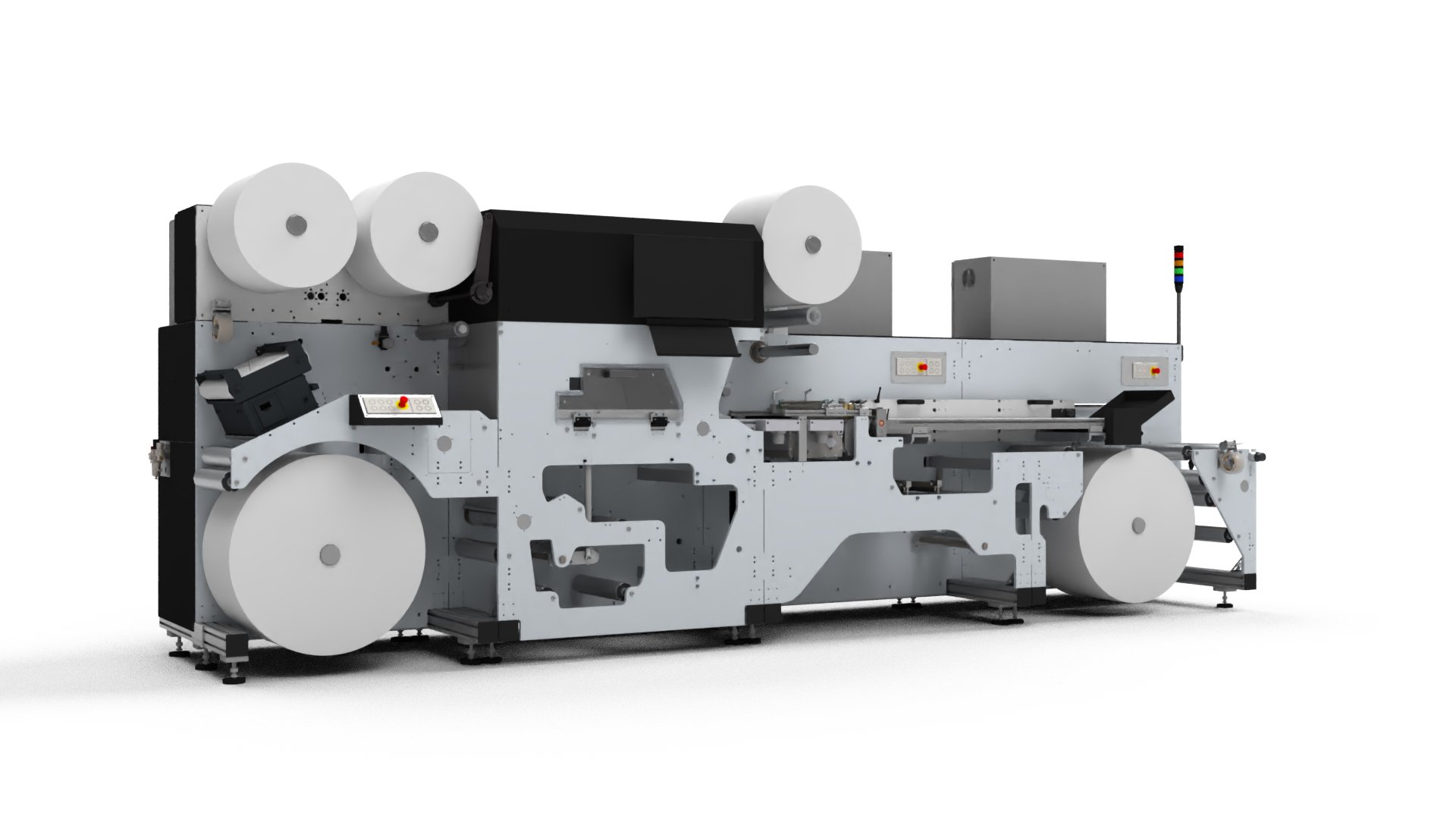
Combines American engineering heritage with top-tier Chinese manufacturing scale and global export support.
Rooted in Spartanics’ pioneer optical registration, card counting, and precision die cutting innovations engineered in Rolling Meadows, Illinois, USA since 1963.
Every roll converter, slitter, and rotary die cutter undergoes Factory Acceptance Testing (FAT) with client-supplied substrates before export packing and shipment.
Exporting to over 60 countries with standardized OEM electrical components (Siemens, Schneider, Omron, Yaskawa) for fast localized replacement and minimal downtime.
Rigorous quality control protocols compliant with European Safety Directives (CE marked) and international industrial standards for electrical and mechanical safety.
In-house mechanical, electrical, and optical design teams capable of tailoring web widths (from 320mm label webs to 2850mm paper jumbo rolls) to exact factory layouts.
Comprehensive export handling including seaworthy vacuum packaging, heavy-duty wooden crate enclosure, customs documentation, and global CIF/DDP logistics support.
Clear technical responses to assist procurement teams during machinery technical evaluations.
Contact our engineering sales team today to request custom CAD machine layouts, submit substrate test cut samples, or receive a factory-direct wholesale quotation.
Inquire Now