
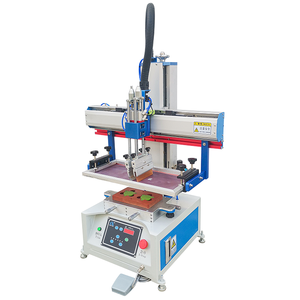
Engineered for high-volume plastic card manufacturing, flexible printed electronics, security documentation, and precision silk screen finishing applications.
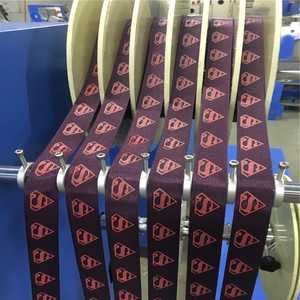
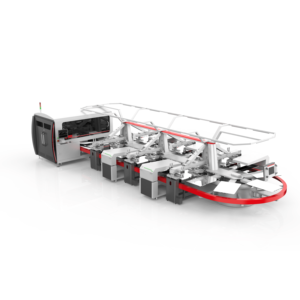
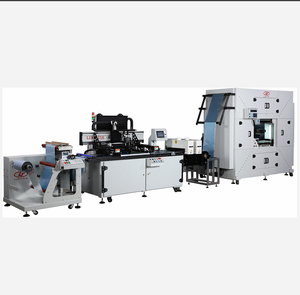
Combining over six decades of American machinery design heritage (founded in Rolling Meadows, Illinois, USA) with cutting-edge optical registration and servo-driven finishing equipment.
Our card presses utilize camera-based optical vision systems (pioneered in platforms like the M255 Optical Shear) to dynamically adjust cut paths, compensating for web stretch, repeat shifts, and material distortion.
Before any OEM card press or serigraphic equipment leaves our factory, customer materials undergo complete validation on actual machinery to guarantee cut quality, ink deposit density, and tactile registration tolerance.
Ditch traditional die tooling lead times. Integrated laser converting modules achieve tight spot sizes down to 0.004 inches (0.1 mm), allowing micro-perforations, kiss-cutting, and intricate smart card layer outlines directly from CAD files.
Engineered to process demanding materials: PVC, Polycarbonate (PC), PETG, Polypropylene, flexible PCBs, thin metallized foils, in-mould decoration (IMD) film, and membrane switch graphic overlays.
Installed across 60+ countries and backed by 24/7 remote optical diagnostic links, direct factory engineer dispatch, and standard stocked OEM replacement components for zero unplanned downtime.
Modular chassis design allows seamless integration of PLC-driven screen printing, hot stamping, laser die cutting, magnetic stripe encoding, and automated stack counting into a unified production line.
Selecting the optimal Custom OEM Card Press or serigraphic converting system requires analyzing substrate thickness, ink chemistry laydown requirements, tactile security features, and required hourly throughput. Modern card production—ranging from ISO standard 7810 financial credit cards and contactless RFID government identity badges to flexible PCB membrane switches—demands extreme dimensional stability and accurate layer registration.
Below is an engineering specification evaluation designed to assist OEM plant directors and procurement engineers in matching machine architecture with specific manufacturing applications:
| Equipment Platform | Primary Substrates | Registration Accuracy | Max Production Output | Key Engineering Feature |
|---|---|---|---|---|
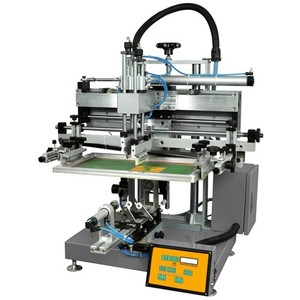
| Servo Serigraphic Flatbed Press | PVC, PETG, Polycarbonate, Polypropylene | ±0.015 mm | Up to 3,600 sheets/hr | Pneumatic squeegee equalizer with vacuum bed registration |
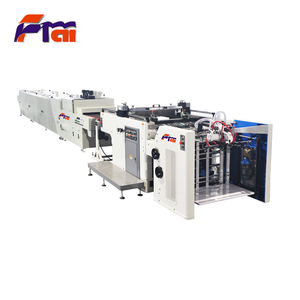
| Automatic Roll-to-Roll Web Printer | Nylon, Polyester, Satin Webbing, Thin Films | ±0.025 mm | Up to 60 meters/min | Constant magnetic tension control & inline UV/IR curing |
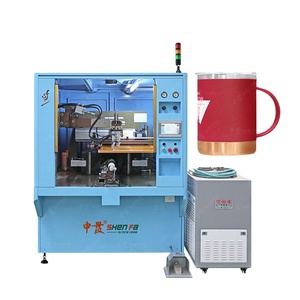
| High-Speed Soft Circuit Screen Printer | Flexible PCBs, FPC, Polyimide, Copper Laminates | ±0.008 mm | 2,200 impressions/hr | CCD vision alignment system with multi-axis micro-servos |
| Laser Die-Cutting & Finishing Press | Pressure-Sensitive Label Stock, PET, PC Film | 0.1 mm (0.004 in) spot | Up to 100 meters/min | Toolless digital shape switching from vector CAD files |
| High-Speed Stack & Plastic Card Counter | PVC Financial Cards, Smart Cards, Gift Cards | 100% Optical Accuracy | 500 Cards / 5 Seconds | Multilingual touch HMI with security batch validation audit |
1. Servo-Driven Flatbed Serigraphic Presses for Card Sheet Lamination: For plastic card manufacturing (specifically multi-layer PVC/PETG banking cards and contactless identity documents), flatbed screen printing remains the industry standard for applying metallic inks, magnetic stripe bonding primers, optical variable inks (OVI), and signature panels. OEM servo systems offer independent stroke length adjustments and pneumatic squeegee pressure balancing, eliminating screen distortion and ink deposit variations across large multi-up card sheets.
2. Roll-to-Roll Web Screen Printing for Flexible Electronics & RFID Inlays: As smart card technology transitions toward embedded RFID antennas and flexible circuitry, roll-to-roll silk screen machinery equipped with automated web tension controllers and inline registration marks provides continuous deposition of conductive silver inks. This eliminates human handling while maintaining strict conductivity metrics.
3. High-Speed Optical Shearing & Card Die Cutting Systems: Post-printing conversion requires exact registration to avoid slicing through embedded microchips or antenna coils. Optical registration shears, developed around vision recognition sensors, dynamically scan registration marks printed during the serigraphic phase, adjusting cross-cuts and inline punches in real-time.
The global card manufacturing and industrial screen printing equipment market is undergoing a structural transition driven by digital connectivity, strict environmental directives, and demand for secure, anti-counterfeiting identification media. Procurement executives must evaluate equipment investments against these five core technological vectors:
Modern card presses are no longer standalone graphic printers; they are multi-functional electronics deposition platforms. Future equipment procurement prioritizes presses capable of ultra-fine line printing (below 50 microns) for conductive traces, allowing inline mounting of RFID chips and biometric sensors onto substrate layers prior to hydraulic press lamination.
While mechanical steel die presses remain optimal for massive single-sku card production, hybrid laser converting systems are rapidly taking over short-to-medium card runs. Eliminating mechanical die tooling spend and setup delays allows card converters to offer rapid prototyping, custom security edge notches, and personalized card shapes with zero tooling amortization costs.
Global regulations (such as EU REACH and ESG corporate mandates) are driving card factories away from traditional PVC toward recycled PETG, PLA, and ocean-bound plastics. Card printing machinery must handle changing surface energies using inline plasma surface treatments and high-efficiency LED-UV curing lamps that eliminate VOC emissions while lowering factory kilowatt consumption by up to 45%.
Zero-defect manufacturing policies in financial and government ID production require 100% real-time inline inspection. Modern OEM card presses feature high-resolution area scan cameras integrated directly into the press frame, inspecting color density, micro-text clarity, pinhole voids, and registration drift at full line speed, instantly marking or ejecting defective sheets.
The security printing and card manufacturing landscape is evolving beyond traditional identification media. Understanding these macro trends ensures that capital equipment investments made today remain profitable and technological assets for the next decade:
Governments worldwide are accelerating the deployment of electronic passports, national eID cards, and biometric driver's licenses. These cards feature complex multi-layered security architectures combining polycarbonate laser engraving, embedded contact/contactless chips, tactile relief printing, and optically variable features. OEM machinery vendors are developing modular integrated lines where serigraphic printing, hot stamping foil registration, and laser perforation occur within cleanroom-compatible enclosures.
Commercial loyalty cards, corporate access credentials, and specialized gift cards are moving away from massive warehouse inventories toward print-on-demand localized manufacturing. This shift requires card presses to feature automated recipe-driven job changeovers where screen frame positioning, squeegee angle, vacuum zones, and registration parameters adjust automatically via PLC touch interfaces in under two minutes.
Unplanned machine downtime in multi-layer lamination lines can ruin thousands of dollars in substrate and chip inventory. Smart card presses now incorporate industrial IoT sensor arrays monitoring servo motor vibration, thermal profiles of curing tunnels, pneumatic pressure stability, and registration camera calibration. Telemetry data streamed to cloud diagnostics portals allows factory technicians to perform predictive maintenance before physical component failure occurs.
Expert engineering answers addressing material compatibility, optical registration precision, and global equipment field support.
Flatbed screen printing (serigraphic press) delivers significantly higher ink film thickness (from 5 to 50+ microns) compared to digital inkjet (typically 1 to 3 microns). High wet-film thickness is required for opaque white undercoats on transparent cards, metallic flake inks, screen-printed adhesive layers for chip bonding, and functional conductive silver/carbon inks. Screen printing also provides superior ink-to-substrate adhesion on untreated Polycarbonate and PVC films, which is essential to prevent layer delamination during hydraulic thermal lamination.
Mechanical pin registration relies on pre-punched physical holes in the substrate sheet. However, plastic films shrink or expand when exposed to screen printing ink solvents or drying temperatures, causing registration pitch errors. Optical vision camera systems scan actual printed crosshairs or micro-artwork features on the sheet prior to each print stroke or die cut. The vision software calculates X, Y, and Theta alignment corrections, dynamically signaling servo motors to shift the screen or bed position, ensuring alignment accuracy down to ±0.015 mm regardless of thermal material distortion.
Laser die cutting is the cost-effective choice for short to medium production runs, frequent shape changes, complex interior cutouts, micro-perforations, and variable versioning. Because laser cutting is toolless (operating directly from vector DXF/AI digital files), it eliminates die tooling costs, mechanical sharpening, and physical die storage. For long, unvarying runs of millions of standard CR80 plastic cards, traditional mechanical punch dies remain economical; however, laser systems provide ultimate operational flexibility for custom card forms and instant job changeovers.
Yes. All of our custom OEM card press equipment, serigraphic printers, and registered shears are fully validated on alternative eco-friendly card materials including rPVC, PETG, PLA, and 100% Polycarbonate films. Our engineering team customizes vacuum bed suction profiles, anti-static bar placement, and squeegee pressure control algorithms to accommodate the specific surface tension and flexural modulus characteristics of green substrates.
Engineered around optical scanning sensors (pioneered in platforms like the Spartanics 680 series card counter), our systems can accurately count and audit stacks of up to 500 plastic cards in approximately five seconds. The system operates via a multilingual touchscreen interface, providing 100% non-contact verification for credit cards, loyalty cards, gift cards, and secure ID cards without scratching delicate surface laminates or magstripes.
Our industrial machinery is installed and operating across more than 60 countries. We provide comprehensive global support, including full factory acceptance testing (FAT), on-site installation by factory-trained engineers, operator training during commissioning, and secure remote diagnostic modules embedded into machine controls. Spare parts are stocked in regional hubs and shipped via express air freight to ensure maximum plant uptime.
Send our senior engineering team your substrate specifications, targeted sheet dimensions, and hourly yield requirements. We will provide a comprehensive technical assessment, custom equipment drawing, and material test validation report.