Explore our high-performance industrial equipment lines engineered for optimal edge quality, micro-registration accuracy, and high-throughput production environments.
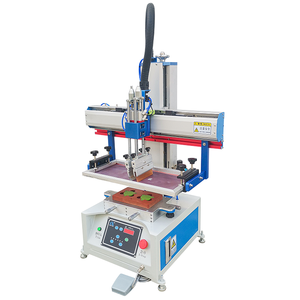
Designed for battery shell and lighter component decoration. High-precision servo stroke control ensures uniform ink film distribution and repeatable registration tolerances.
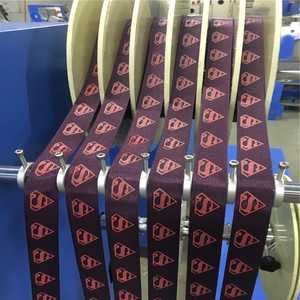
Multi-color continuous printing platform for satin, nylon, polyester webbing, and narrow fabrics. Integrated tension feedback prevents substrate distortion across high speeds.
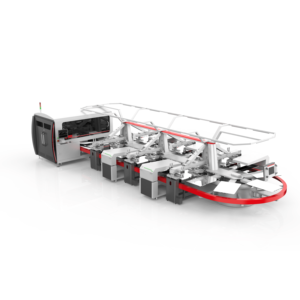
Heavy-duty oval textile and garment printer featuring advanced PLC module integration, automatic index registration, and modular print head expansion capabilities.
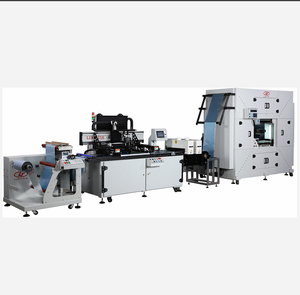
Engineered for fine-line conductive printing on flexible printed circuit boards, industrial label stock, and technical film substrates requiring ultra-clean edges.
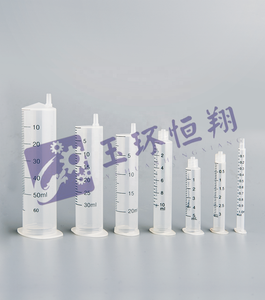
Precision medical diagnostic printing unit featuring high-speed cutter integration, barcode recognition, and cleanroom-compatible mechanical componentry.
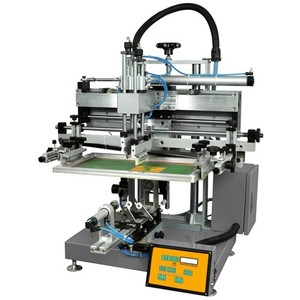
Compact industrial desktop printer for curved surfaces, glass tubes, cylindrical containers, and specialized OEM component marking with rapid job changeover.
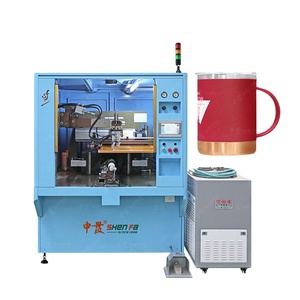
Rugged dual-color printing press equipped with optical mark registration and pneumatic clamping for precision decoration of plastic, metal, and glass bottles.
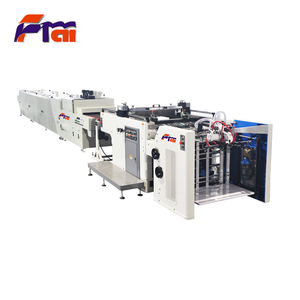
High-volume reversible cylinder screen printing system built for heavy paperboard, plastic sheet converting, security card printing, and specialty finishing lines.
With over 60 years of machine design experience in Rolling Meadows, Illinois, Spartanics delivers cutting-edge precision shearing, optical registration cut-to-length platforms, and automated web finishing equipment worldwide.
Our proprietary optical registration sensors (featured on flagship systems like the M255) dynamically read eye-marks or print contours, adjusting cut lines real-time to compensate for web stretch, shrink, and print distortion.
Custom OEM precision shears are built with hardened tool-steel knife assemblies (D2/M2 high-carbon vanadium matrix), providing distortion-free shear edges across polycarbonate, PET, PVC, and metalized laminates.
Seamlessly integrate optical shears, die cutting presses, hot stamping modules, screen printing stations, and high-speed card counting platforms into a cohesive inline production system tailored to your substrate.
Selecting the optimal converting technology requires understanding material behavior, tolerance constraints, setup times, and yield efficiency across production runs.
| Shearing Technology | Tolerance Range | Ideal Substrates | Setup & Changeover | Tooling Expense | Best Production Fit |
|---|---|---|---|---|---|
| Optical Registration Shear (e.g., M255) | ±0.05 mm (0.002 in) | Printed PET, Polycarbonate, PVC, Membrane Switches | < 3 Minutes (Recipe-Driven) | Zero Dies Required | High-Precision Short-to-Medium Runs |
| Laser Die Cutting (e.g., XIPHOS / CS2100) | ±0.10 mm (0.004 in) | Pressure Sensitive Stock, Thin Films, Abrasives | Instant (Digital DXF Files) | Zero Dies Required | Complex Contours & Versioned SKUs |
| Mechanical Die Cutting Press | ±0.12 mm (0.005 in) | Heavy Plastics, Credit Cards, Thick Gaskets | 30 - 60 Minutes (Die Mounting) | Moderate-to-High Die Costs | Ultra High-Volume Standardized Items |
| Conventional Hydraulic Guillotine | ±0.50 mm (0.020 in) | Bulk Paperboard, Unprinted Sheet Stock | 15 - 30 Minutes (Manual Backgauge) | Zero Tooling | Rough Bulk Sizing Cut-Offs |
Engineering Insight: Optical registration shears eliminate cumulative error caused by material distortion, thermal expansion during printing, and web humidity shifts. By locating registration marks optically before every shear cycle, waste is reduced by up to 18% compared to fixed-length mechanical stop guillotines.
As industrial automation evolves, procurement managers and plant engineers are adjusting equipment specifications to address higher SKU density, thinner eco-substrates, and Industry 4.0 integration.
Modern buyers are demanding machine vision camera arrays with multi-spectrum lighting capable of tracking clear-on-clear registration marks, metallic foils, and tactile inks at high line speeds without manual operator tweaking.
Procurement is shifting away from standalone machines toward integrated inline cells where continuous roll-to-roll screen printing, UV curing, optical shearing, and stack counting happen in a single, controlled servo pass.
To maximize uptime, custom OEM precision shears are increasingly outfitted with acoustic sensors and piezoelectric torque feedback that notify maintenance teams of micro-chipping or blade dulling before burring occurs.
With global green mandates, OEMs must design shear clearance geometry and clamping pressures to cut lightweight bio-resins, thin PET films (down to 12 microns), and recycled laminates without cracking or edge fraying.
Global manufacturers require factory equipment with encrypted cloud connection modules for real-time remote engineering diagnostics, automated job cycle logging, and predictive spare parts inventory ordering.
The rise of government ID, biometric cards, and smart payment electronics demands high-precision shearing equipment that handles delicate embedded RFID chips and holographic layers without layer delamination.
Industrial shearing technology has undergone a profound transformation over the past three decades. Historically, industrial cut-to-length shearing relied heavily on mechanical backgauges and manual operator alignment. While adequate for standard unprinted sheet stock, these traditional guillotines struggled when processing modern printed substrates, membrane switch panels, and multi-layer electronic circuits where image pitch varies due to tension fluctuations and drying temperatures.
The introduction of Optical Registration Shearing (pioneered by Spartanics engineers) solved these critical manufacturing bottlenecks. By utilizing advanced optical sensors mounted directly upstream of the shear knife, modern OEM precision shearing machinery measures the exact location of printed fiducials or graphics prior to blade engagement. The system dynamically signals high-torque servo drives to adjust web feed position within fractions of a millimeter, ensuring perfect edge-to-print margins on every stroke.
Today’s conversion shops work with sophisticated polymer formulations including polycarbonate (Lexan), polyethylene terephthalate (PET), polyvinyl chloride (PVC), and flexible copper-clad laminates (FCCL). Each substrate exhibits unique physical properties during shearing:
As a specialized custom OEM manufacturer, Spartanics configures bed angles, hold-down clamp pressures, knife metallurgy, and registration optics around the precise material samples provided by our global client base prior to machine shipment.
In-depth technical answers addressing custom OEM machine configurations, optical accuracy, blade maintenance, and global factory integration.
Standard mechanical cut-to-length guillotines feed material to a physical mechanical stop or rely solely on encoder roller counts. This assumes the printed image repeat is perfectly uniform. However, real-world webs stretch, shrink, and skew during printing and curing processes. An Optical Registration Shear utilizes high-resolution optical cameras/sensors to scan printed registration marks before each cut, dynamically instructing servo motors to correct position, guaranteeing tight registration relative to printed graphics rather than edge distance.
Our custom precision shearing units are engineered to handle thin polymer films starting at 0.05 mm (0.002 in) up to rigid plastic sheet stock, aluminum plates, and heavy card laminates up to 3.0 mm (0.125 in) thick. Frame rigidity, hydraulic stroke cylinders, and knife clearances are custom matched to your specific substrate mix during the factory design phase.
Spartanics equipment is installed in more than 60 countries. We support our global customers through factory-trained field service engineers, regional authorized technical partners, localized spare-parts programs, and integrated secure remote IoT diagnostic software. Every machine undergoes 100% pre-shipment testing using the customer's actual material at our Rolling Meadows, Illinois headquarters.
Yes. Spartanics specializes in modular line architecture. Platforms like our CS2100 roll-to-roll system allow screen printing, UV curing, laser cutting, slitting, optical shearing, and automated sheet stacking modules to be combined onto a single servo-synchronized chassis or integrated into existing third-party continuous web lines.
We utilize premium high-carbon, high-chromium D2 tool steel as standard, with tungsten carbide or powder-metallurgy M2 high-speed steel options for abrasive substrates (such as ceramic-filled films or heavy reflective sheeting). Under standard operating conditions, our high-precision shears deliver millions of clean cuts before requiring precision regrinding on standard surface grinders.
Cycle rates depend on substrate weight, cut length, and optical sensor search area. Our high-speed optical registration shears operate at speeds up to 120 cycles per minute on sheeted stock, while maintaining repeat accuracy down to ±0.05 mm (0.002 in), maximizing yield without compromising edge cleanliness.
Send us your material sample specifications, artwork drawings, and target production speeds. Our engineering team in Rolling Meadows, IL will run a material evaluation and provide a customized equipment quotation.
