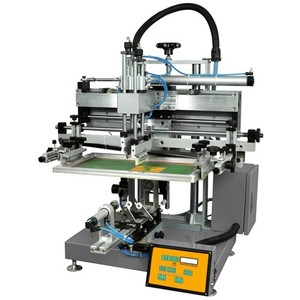
Explore our premium machinery portfolio, ranging from high-precision pneumatic silk screen printing presses to automated roll-to-roll converting systems and precision sheet punching units.
As premier OEM/ODM card puncher suppliers and exporters, our manufacturing philosophy is rooted in six decades of precision engineering. Modern plastic card production—ranging from standard ISO CR80 financial credit cards, smart identification cards, and SIM/eSIM cards to complex multi-layer RFID inlay laminates—requires absolute geometric precision, zero-burr edge quality, and maximum material yield.
In high-throughput card converting plants, the transition from printed web or sheeted substrate to final punched card demands advanced registration feedback loops. Our custom OEM/ODM card punchers utilize hydraulic, mechanical, and servo-electric drive matrices capable of executing micro-metric punching tolerances (±0.03 mm precision). By incorporating state-of-the-art optical CCD vision alignment systems and dynamic web-tensioning mechanisms, our equipment eliminates distortion caused by thermal variance during upstream screen printing or lamination cycles.
High-resolution industrial camera sensors scan pre-printed target marks in real time, automatically compensating for web stretch, skew, and thermal shrinkage prior to punch stroke.
Punch dies crafted from ultra-hard D2 steel and solid tungsten carbide alloys guarantee over 10,000,000 punch cycles without progressive edge degradation or burr formation.
Strict structural adherence to ISO/IEC 7810 and ISO/IEC 10373 testing specifications, ensuring flawless corner radius profiles (3.18mm) and clean corner edge cuts.
To assist global procurement directors and industrial plant engineers in selecting the optimal machinery configuration, the following comparative engineering matrix outlines operational parameters across modern punching platforms:
| Technology Platform | Primary Substrate Compatibility | Punching/Cutting Accuracy | Max Production Throughput | Tooling Lead Time / Cost | Best Suited Operational Profile |
|---|---|---|---|---|---|
| Servo-Electric Card Puncher | PVC, PETG, Polycarbonate, ABS (0.3mm - 1.2mm) | ±0.03 mm (CCD Vision) | Up to 36,000 cards / hour | Medium / High-Precision Dies | High-volume financial CR80 & national ID cards |
| Hydraulic Sheet Punch Press | Heavy Polycarbonate, Multilayer Smart Laminates | ±0.05 mm (Mechanical Pin) | Up to 18,000 cards / hour | Standard Mechanical Tooling | Thick contact/contactless smart cards & SIM cards |
| Roll-to-Roll Laser Die Cutter (CS2100) | Pressure-Sensitive Stock, PET, Thin Polypropylene | ±0.05 mm (Galvo Laser) | Up to 100 m / minute (Web speed) | Zero Tooling Cost (Digital) | Short-run custom cards, labels, and fast SKU changeovers |
| Optical Registration Shear (M255) | Reflective Sheeting, Hard Plastics, Metal Sheets | ±0.025 mm (Optical Sensor) | 60 Shearing strokes / minute | Durable Shear Blades | Licence plates, rigid nameplates, high-value decals |
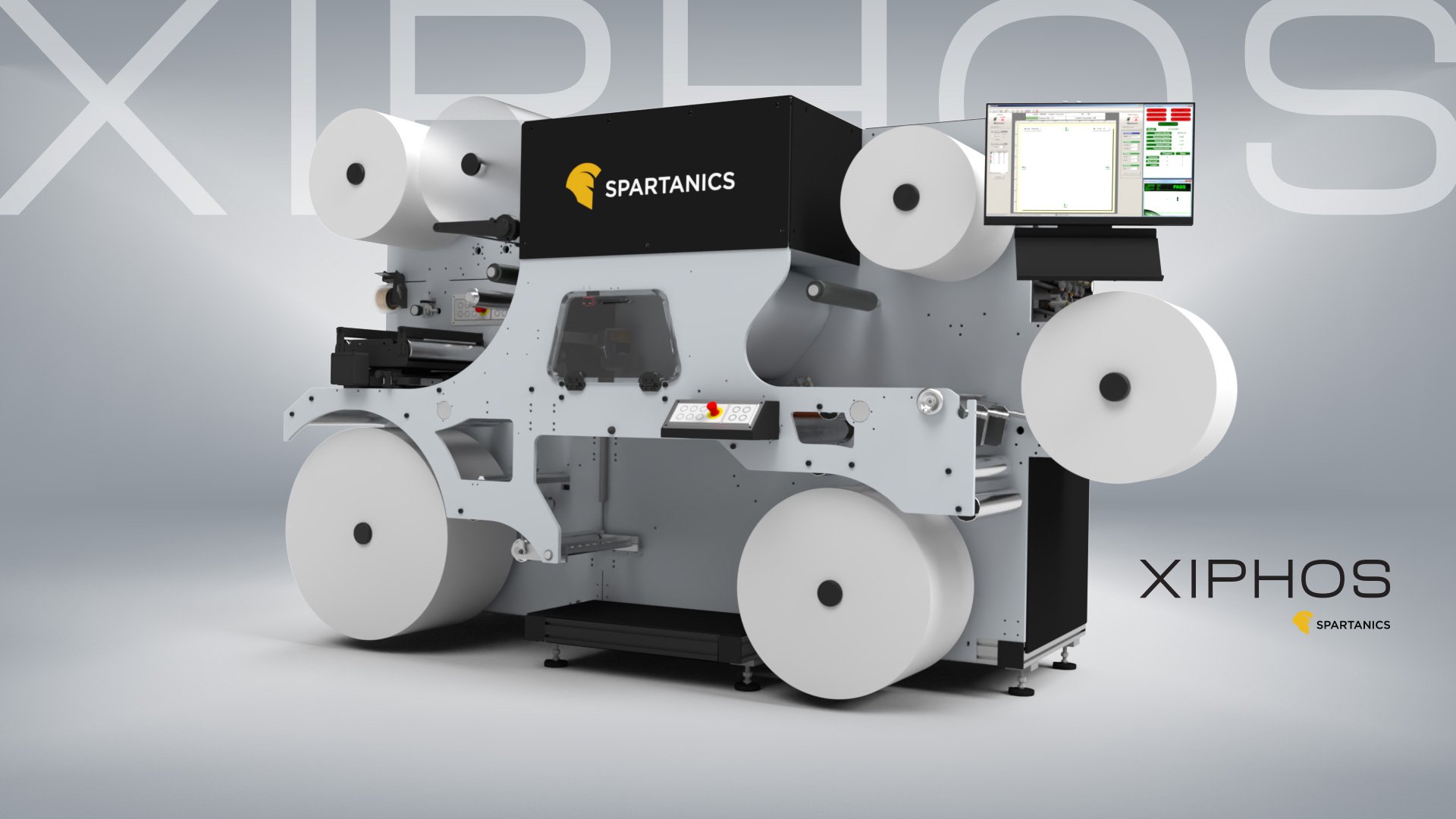
| Compact Inline Laser Finishing (XIPHOS) | Synthetic Film, Paper, Laminates, Thin PVC | ±0.08 mm (Spot Size 0.004") | Up to 50 m / minute | Zero Tooling Cost (Digital) | On-demand short runs, complex micro-perforations |
As smart card security protocols tighten and global supply chains demand agile short-run customization, OEM/ODM machinery procurement strategies are undergoing a fundamental shift. Senior buyers must evaluate converting equipment not merely on immediate mechanical velocity, but on long-term technological adaptability:
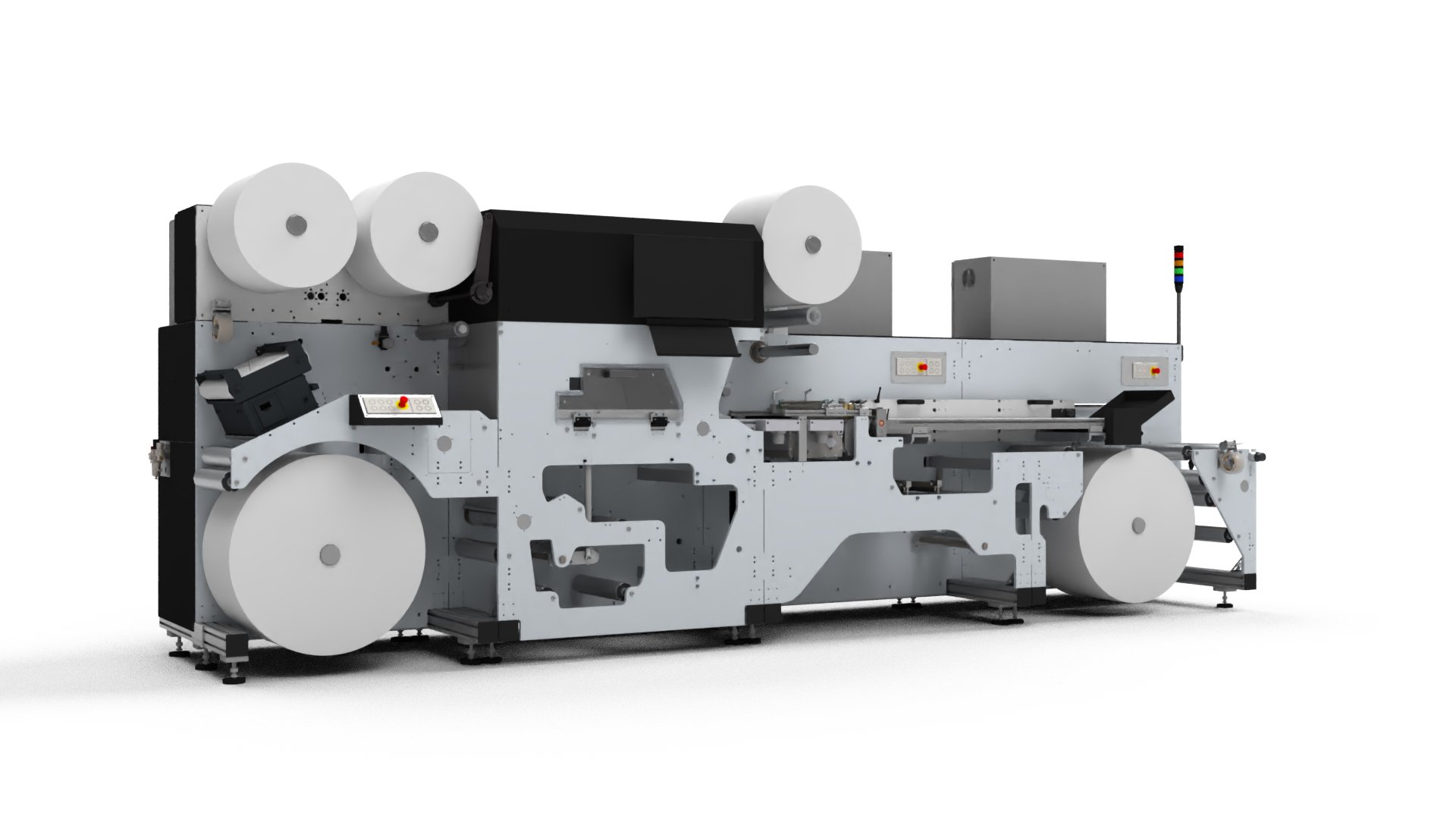
While traditional mechanical punching dies offer unparalleled tool life for static CR80 outlines, modern production lines increasingly integrate digital laser die cutting (such as the Spartanics CS2100 modular system). Laser spots as small as 0.004 in (0.1 mm) enable instantaneous vector shape changes, micro-perforations, and internal window cutouts without awaiting tool steel die fabrication.
The ubiquity of RFID chips and antenna coils embedded inside multi-layer PETG and Polycarbonate sheets requires non-destructive punching mechanics. Future OEM/ODM punchers utilize dynamic pressure monitoring and soft-entry punch stroke profiles to prevent micro-fracturing of internal copper coils or conductive ink prints during sheet penetration.
Modern punchers are expanding beyond simple registration mark detection. Next-generation systems integrate full-surface machine vision inspection inline, inspecting front-to-back print alignment, surface scratch defects, and chip cavity depth, automatically ejecting defective cards into secure reject bins before final stack verification.
Replacing high-power hydraulic power units with direct-drive AC servo motors cuts plant electricity consumption by up to 40% while dramatically reducing ambient noise and hydraulic thermal radiation, facilitating cleanroom operation for high-security ID production.
Spartanics does not simply assemble off-the-shelf equipment; we engineer custom industrial machinery platforms built to solve your unique substrate, speed, and registration challenges. Headquartered in Rolling Meadows, Illinois, our plant has delivered over 3,000 systems to converters across 60+ countries.
The 100% Pre-Shipment Run-Test Rule: Before any custom OEM/ODM card puncher, optical shear, or screen printing system leaves our facility, your specific production material is processed on the machine. Cut quality, registration accuracy, edge burr height, and cycle speeds are rigorously tested and validated on video with real-time measurement reports.
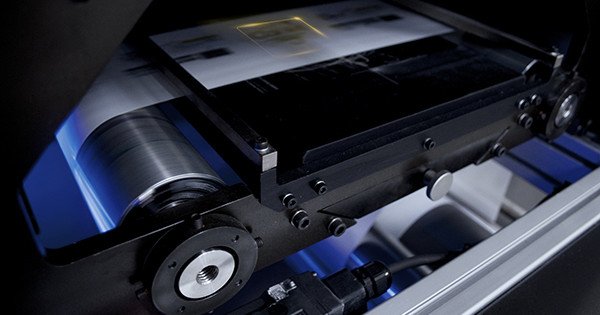
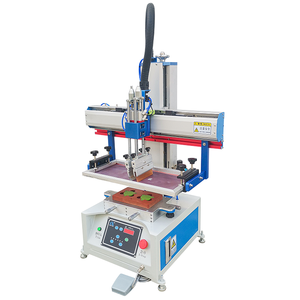
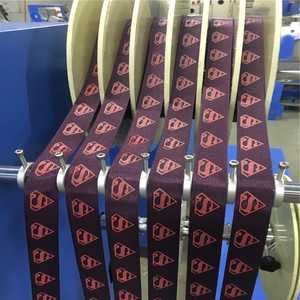
Card punching cannot be isolated from upstream web printing and lamination dynamics. Substrates such as Polycarbonate (PC), PVC, PETG, ABS, and Polypropylene exhibit vastly different elastic modulus values and thermal expansion coefficients. When running silk screen printing machines—such as our pneumatic flatbed press kits or roll-to-roll ribbon printers—solvent-based or UV-cured ink layers alter substrate thickness and flexibility.
.jpg)
Below are detailed responses to the most critical technical and commercial queries raised by international procurement managers and converting specialists:
UV screen printing subjects plastic webs to localized heat, causing non-linear material shrinkage. Our optical CCD registration systems scan multiple alignment marks along both X and Y axes. The system's DSP controller calculates stretching or shrinkage percentages in real time and dynamically adjusts the servo punch stroke positioning, keeping registration within ±0.03 mm.
Mechanical die punching uses physical male/female steel tooling, offering maximum speed (up to 36,000 cards/hr) and low unit cost for static, mass-volume single shapes like CR80 cards. Laser die cutting (e.g. Spartanics CS2100) utilizes a focused laser beam (0.004" spot size), requiring zero physical tooling, zero plate spend, and zero die storage—making it superior for short-to-medium runs, variable shapes, micro-perforations, and fast SKU changeovers.
Yes. Polycarbonate ID cards often comprise up to 7 or 8 laminated layers totaling 0.76 mm to 1.0 mm in thickness. Our heavy-duty hydraulic and servo-driven card punchers are built with reinforced structural C-frames and hardened tungsten carbide punch matrices engineered specifically to cut tough Polycarbonate without producing micro-cracks or burrs.
Using the Spartanics 680 Card Counter, operators can count and verify stacks of up to 500 plastic cards in approximately five seconds. The system features a multilingual touchscreen interface designed for secure card manufacturing environments (credit cards, gift cards, driver's licenses, and government security credentials).
As custom equipment engineers, we provide complete OEM/ODM modifications including custom punch shape geometries, inline RFID inlay testing units, customized web feed widths, custom hopper stackers, automatic sheet-feeding robotics, and full software API integration with your factory ERP/MES systems.
Equipment built in our Rolling Meadows, Illinois facility is supported worldwide. We offer remote telemetry diagnostics, factory-trained field service technicians, direct replacement punch die sharpening programs, and rapid global delivery for critical wear components across 60+ countries.
Send us your substrate samples, engineering drawings, and throughput targets. Our engineering team will analyze your requirements and provide a full technical assessment and custom machinery proposal.
Contact Us