Explore our engineered OEM/ODM equipment lines engineered for label finishing, membrane switches, electronics, and flexible packaging.
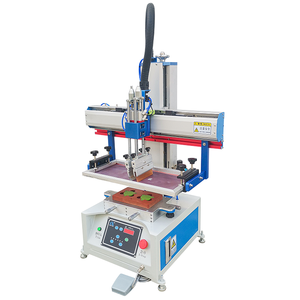
Engineered for flatbed battery and lighter substrate printing with servo-driven registration and ultra-precise pneumatic force controls.
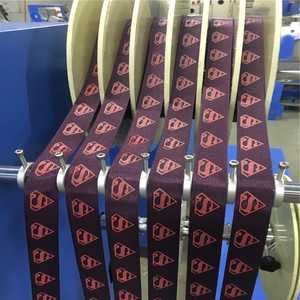
Continuous multi-color web printing system designed for satin, nylon, polyester webbing tape, and industrial narrow fabric applications.
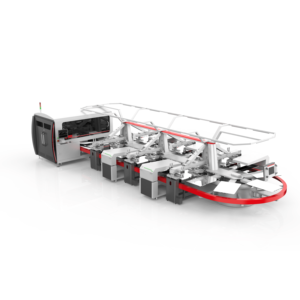
High-speed multicolor oval print platform featuring integrated PLC controls, micro-registration technology, and automated textile loading modules.
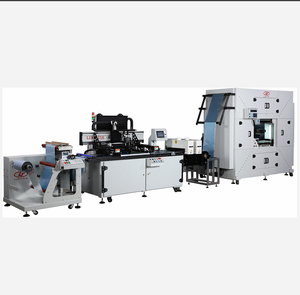
Precision-focused printing machine built for flexible printed circuit boards (FPC), technical films, and high-accuracy paper label converting.
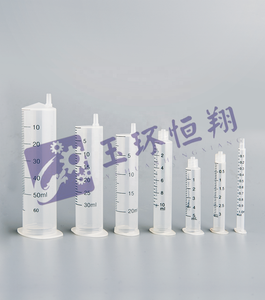
Heavy-duty OEM kiosk unit built for medical diagnostic films, health records, and secure clinical patient output with internal automated cutting.
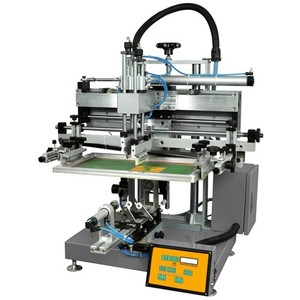
Compact desktop printer engineered for precision peripheral screen printing on cylindrical, curved, and conical industrial components.
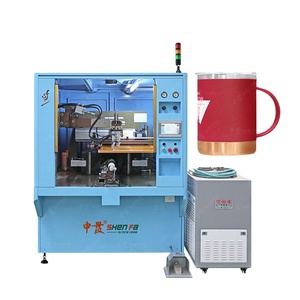
Dual-color screen press specialized for container decoration, featuring flame treatment prep and quick pneumatic fixture changeovers.
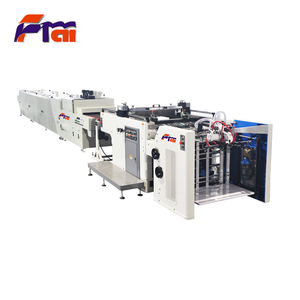
Large-format industrial stop-cylinder screen press delivering maximum registration accuracy for sheet-fed plastic film and technical graphics.
In modern industrial manufacturing, the demand for short-run agility, zero-tooling cost, and micro-precision finishing has fundamentally reshaped the web converting landscape. As a premier OEM/ODM Digital Cutter Manufacturer & Supplier, our engineering philosophy bridges the gap between high-speed mechanical machinery and software-driven digital laser die-cutting systems. Operating with over six decades of manufacturing heritage originating from Rolling Meadows, Illinois, USA, our systems are built to withstand the rigors of 24/7 continuous industrial production while delivering micron-level accuracy.
Unlike standard off-the-shelf machinery suppliers, our original design manufacturing (ODM) and original equipment manufacturing (OEM) frameworks allow global converting plants, label printers, medical device producers, and automotive component makers to customize every aspect of their finishing lines. From custom web widths, tension-controlled unwind/rewind units, and inline inkjet printing heads to vision-assisted optical camera registration systems, our modular platforms empower clients to lower unit costs and maximize operational throughput.
True manufacturing authority is defined by empirical performance and rigorous quality control. Every digital cutter, roll-to-roll laser finishing line, and optical registration press engineered in our facilities undergoes strict validation prior to dispatch. Substrates provided by prospective clients—ranging from pressure-sensitive labels, PET, PVC, polycarbonate, and polypropylene to flexible circuit boards—are run-tested on live equipment. We provide comprehensive telemetry data, including cut edge thermal sealed profiles, spot accuracy, and web speed validation, ensuring zero discrepancy between factory testing and customer floor execution.
Modular technological building blocks integrated into our custom digital cutting and printing machinery.
State-of-the-art CO2 and fiber laser sources combined with digital galvanometer scanning heads to achieve focused laser spot sizes down to 0.004 in (0.1 mm).
Advanced high-resolution CMOS camera systems that dynamically monitor printed registration marks or artwork features to compensate for web stretch and distortion in real time.
Closed-loop tension management equipped with pneumatic dancer arms and ultrasonic web guides to maintain consistent linear stability across delicate films and thick card stocks.
A quantitative comparison showcasing why industrial converters are transitioning from rotary dies and flatbed platens to digital laser systems.
| Performance Vector | Digital Laser Die Cutting | Rotary Magnetic Tooling | Flatbed Mechanical Press |
|---|---|---|---|
| Tooling Lead Time | 0 Hours (Instant Vector Import) | 3 to 7 Working Days | 2 to 5 Working Days |
| Tooling & Storage Cost | $0 (Digital Vector File) | $300 – $2,500 per SKU | $150 – $1,200 per SKU |
| Job Setup & Changeover Time | < 2 Minutes (Recipe Load) | 30 to 60 Minutes | 45 to 90 Minutes |
| Contour & Detail Capability | Ultra-Intricate (Spot size 0.1 mm) | Moderate (Radius limited) | Limited (Complex geometry distorts) |
| Variable Data & Versioning | Seamless (Dynamic per-label modification) | Impossible without tool change | Impossible without tool change |
| Economic Sweet Spot | Short, Medium & Variable High-SKU Runs | Long Single-Shape Static Runs | Heavy Rigid Sheet Stamping |
As supply chains become increasingly lean and order volumes shift toward micro-batches and localized manufacturing, procurement teams must evaluate equipment based on long-term flexibility, automation integration, and energy efficiency. Over the next decade, three macro trends will dominate the digital cutter and industrial printing machinery procurement sector:
Capital expenditure (CapEx) strategies are moving away from single-purpose, rigid machines. Progressive manufacturers favor modular converting lines—such as our flagship platforms—where laser cutting heads, digital UV inkjet units, flexo varnish modules, rotary slitting, and automated stackers can be retrofitted onto a single servo chassis. This allows converters to expand machine capabilities progressively as client requirements evolve without replacing core assets.
Modern digital cutters are no longer standalone mechanical devices; they are IoT-enabled data hubs. High-speed optical cameras continuously inspect cut path integrity, beam power stability, and edge charring. Integrated telemetry algorithms alert operators to mirror contamination, focal length shifts, or mechanical wear before defective parts are produced. Remote diagnostics allow our U.S.-based engineering teams to troubleshoot overseas equipment in real time, minimizing costly plant downtime.
Environmental regulations and corporate ESG mandates require converters to drastically cut material waste. Digital cutting eliminates matrix setup waste typical of traditional mechanical die tuning, saving hundreds of meters of substrate per job changeover. Furthermore, laser systems operate without toxic lubrication fluids or chemical die-making processes, reducing the plant's overall environmental footprint.
Our OEM/ODM digital cutters and screen printers are validated across a broad range of industrial materials.
Paper, PP, PET, and Vinyl self-adhesive label stock. Perfect kiss-cutting depth control ensures backing paper remains unpunctured during high-speed roll processing.
Polycarbonate (Lexan), Polyester (Mylar), and graphic overlays. Laser cutting delivers pristine edge sealing without graphic delamination or micro-cracking.
Flexible copper-clad laminates (FCCL), Polyimide (Kapton), and conductive ink screen-printed substrates designed for automotive sensors and smart packaging tag assembly.
In-depth answers curated by our senior engineering leads to assist buyers, equipment operators, and procurement managers.
Digital laser die-cutting delivers superior ROI for short-to-medium production runs, highly complex geometric shapes, micro-perforated items, and multi-version SKUs. Because there are no physical tooling costs ($300–$2,500 saved per die) and zero lead times for die manufacturing, job setup takes minutes via digital vector file loading. However, for extremely high-volume static single-shape runs exceeding millions of linear feet without design variations, mechanical rotary dies remain economically competitive.
Our vision-guided camera systems actively scan pre-printed registration marks or prominent graphic edges on the web in real time. The intelligent system software compares the camera feed against the digital master vector artwork and instantly adjusts the laser galvanometric mirror scan path. This offsets physical web distortion, humidity expansion, or print repeat errors up to ±0.05 mm without stopping the production line.
With machinery installed in over 60 countries, our OEM/ODM support structure includes 24/7 secure encrypted remote network telemetry, enabling our U.S. factory engineers to perform live PLC software diagnostics, firmware updates, and laser power calibration remotely. We maintain dedicated regional spare parts inventories and offer full operator commissioning and maintenance training modules online or on-site.
Yes. All of our flagship digital converting platforms are engineered on a standardized, modular servo chassis. Converter plants can purchase a standalone laser cutter today and seamlessly integrate inline digital UV inkjet printing, corona surface treaters, cold foil lamination, longitudinal slitting, or automated sheet stackers months or years later as market demand requires.
When cutting synthetic polymers such as PET, PVC, polypropylene, and polycarbonate, our focused 0.004 in (0.1 mm) laser spot melts the micro-edges instantly, creating a clean, thermally sealed edge that prevents micro-tearing and adhesive bleeding. Our advanced gas-assist nozzle options prevent edge discoloration or yellowing, ensuring optically clear results on graphic overlays.
Standard modular digital cutter configurations typically ship within 6 to 8 weeks following substrate validation. Custom OEM/ODM tailored lines—requiring specialized web widths, multi-laser head configurations, or custom automation pick-and-place robotics—typically require 12 to 16 weeks from CAD design sign-off to factory acceptance testing (FAT).
Transform your web converting line with custom laser die cutting, high-speed optical registration, and continuous automated printing technology. Send us your substrate samples for factory testing today.
Get a Quote