Explore our factory-direct machinery portfolio. From heavy-duty pneumatic plate embossers to multi-color automatic screen printers, our systems deliver operational repeatability, tight registration tolerances, and long-term mechanical reliability.
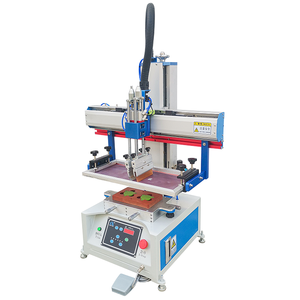
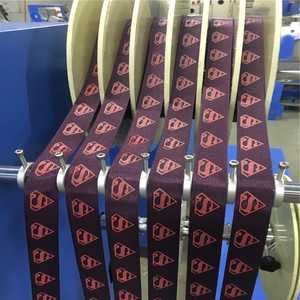
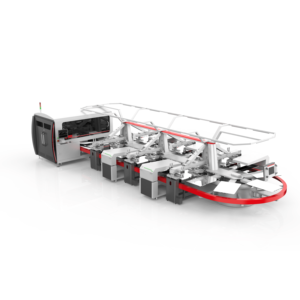
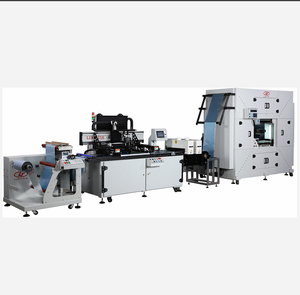
In modern industrial manufacturing, the demand for tactile plate embossing, multi-layer screen printing, and micro-registration converting has shifted from standardized machinery toward specialized OEM/ODM tailored solutions. Industrial buyers across automotive nameplate fabrication, license plate security stamping, membrane switch manufacturing, and flexible electronics require hardware platforms built around exact material chemistry, press cycle rates, and register tolerances.
As a leading US-built machinery engineering authority with over six decades of equipment design history, our facility synthesizes advanced mechanical die presses, laser converting lines, optical registration shears, and dynamic serigraphic screen printers into unified, high-throughput manufacturing lines.
Plate embossing machines operate under severe tonnage pressures while maintaining parallel platen alignment down to fractional millimeter scales. Traditional hydraulic presses often struggle with heat-induced fluid expansion and pressure fluctuations, which cause inconsistent relief depth across large metal or polymer plates. Modern OEM/ODM custom plate embossers utilize closed-loop electric servo-actuation integrated with high-rigidity steel frames.
Whether processing reflective vehicle registration plates, tactile control panels, or decorative architectural panels, mechanical rigidity directly correlates with product lifespan and scrap rate reduction.
Embossing is rarely an isolated process. High-value plate components typically combine dense, opaque ink deposition with physical surface relief. Industrial serigraphic printing equipment plays a crucial role in laying down specialized UV-curing inks, conductive silver pastes, and protective clear coats prior to die cutting or mechanical embossing.
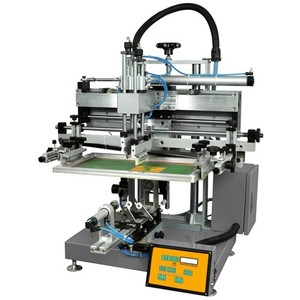
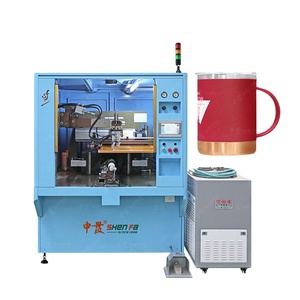
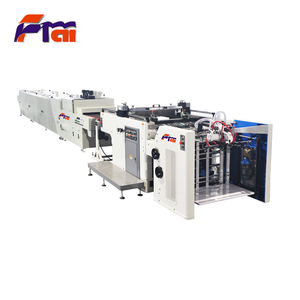
By leveraging roll-to-roll and high-speed flatbed screen printing systems—such as our precision automatic cylinder and soft circuit board printers—manufacturers achieve crisp line definition without pinholing. When combined inline with thermal or UV drying tunnels, the printed web transitions seamlessly to register-matched embossing stations.
Sourcing strategies for industrial converting machinery are undergoing a fundamental transformation. Procurement directors are prioritizing modularity, automated changeovers, and zero-tooling digital options to remain competitive against rising labor costs and shorter product lifecycles.
Converters are shifting away from monolithic single-purpose machinery. Future-proof factories specify modular chassis platforms (such as the CS2100 converting architecture) that allow laser die cutting, mechanical embossing, rotogravure, and inkjet modules to be added onto a shared web transport line as production orders expand.
Manual alignment is rapidly being phased out. Machine vision systems now continuously measure registration marks during full-speed web operation, automatically modulating squeegee stroke speed, web tension, and embosser die clearance in real time to guarantee zero-defect output.
Global procurement standards now dictate full OPC-UA and telemetry integration. Plant managers require real-time tracking of motor torque, hydraulic pressure variance, temperature curves, and cycle counts to schedule predictive maintenance long before unplanned downtime occurs.
With regulations tightening around single-use plastics, equipment must accommodate thin-gauge biopolymers, recycled PET, aluminum composites, and halogen-free substrate films without heat distortion or material tearing during high-pressure embossing cycles.
In secure card and license plate manufacturing, post-press accounting is vital. High-speed verification technology—capable of counting and inspecting 500 finished cards or plates in under five seconds—ensures end-to-end chain of custody control.
For short runs and mass customization, laser die cutting replaces conventional rotary steel dies. Reaching spot sizes down to 0.004 in (0.1 mm), laser systems cut complex shapes directly from CAD vector files, eliminating die storage costs and multi-week plate lead times.
Choosing an equipment supplier is an investment in your factory's production capability for the next two decades. Our USA-based engineering headquarters in Rolling Meadows, Illinois—working alongside specialized global production centers—provides comprehensive custom machinery design from concept to site commissioning.
We believe cut quality, registration tolerance, and line speeds should be proven, not promised. Before any custom plate embosser or screen printing machine leaves our floor, your actual production substrate is tested on our equipment. We provide complete laboratory run reports, cut-edge micrographs, and real-time speed metrics for buyer sign-off.
Our engineering team partners with your internal process group to modify structural frame footprints, design specialized web handling rollers, integrate custom robot loading arms, and build proprietary PLC software interfaces tailored to your plant's MES/ERP environment.
With machine installations spanning across more than 60 countries, we maintain a worldwide network of factory-trained field engineers, secure 24/7 remote diagnostic access, and regional spare-parts hubs to ensure your production lines maintain maximum uptime.
Get clear technical answers regarding equipment selection, custom OEM specifications, substrate validation, and global support protocols.
Send us your material samples, drawings, and production throughput targets. Our engineering specialists will provide a complete technical assessment, machinery recommendation, and official quote.
Get a Quote