
Industrial Web Converting & Screen Printing Market Development Trends
The global web converting, screen printing, and label manufacturing landscape is undergoing a monumental paradigm shift. Driven by on-demand supply chain requirements, shorter product lifecycles, and high-frequency SKU variations, industrial manufacturers are replacing legacy mechanical tooling with modular, digitalized converting architectures.
1. Shift to Tool-Free Digital Finishing
Traditional rotary dies and mechanical punch presses impose severe bottlenecks due to physical die wear, costly lead times, and dedicated storage logistics. High-speed galvanometer laser die cutting has emerged as the dominant force for short-to-medium runs.
- Elimination of mechanical tooling costs and storage overhead.
- Zero physical contact preventing web distortion on delicate substrates.
- Instant setup changes directly from vector design CAD/CAM files.
2. Hybrid Print-and-Cut Integration
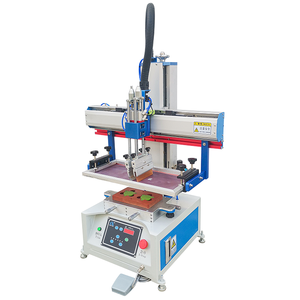
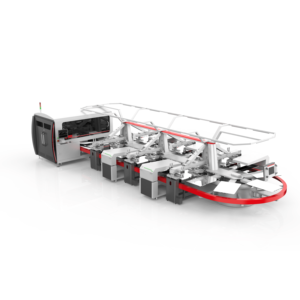
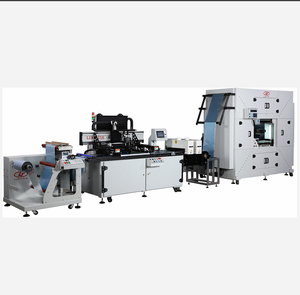
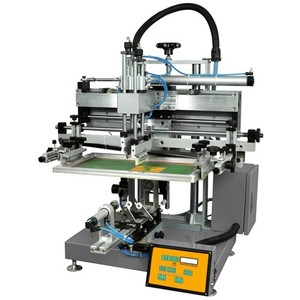
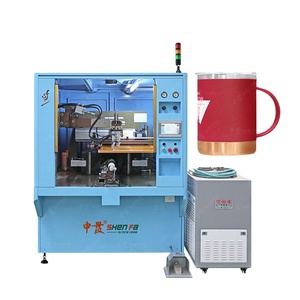
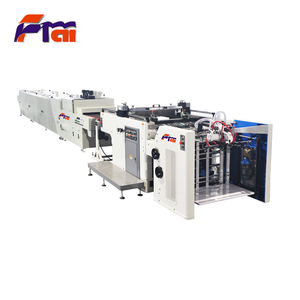
Modern converting plants require single-pass inline productivity. Integrating high-resolution digital inkjet heads or heavy-deposit screen printing stations directly with servo-driven die cutting modules significantly compresses manufacturing lead times.
- Single-pass process combining print, laminate, cut, and slit.
- Camera-based optical vision systems compensating for web stretch.
- Reduced material scrap rate by up to 35% during job changeovers.
3. High-Precision Technical Substrates
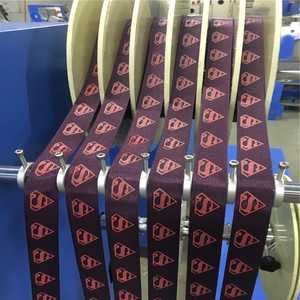
The industry is expanding rapidly beyond basic pressure-sensitive paper labels. Converting lines must now process complex functional films, including flexible printed circuits (FPC), membrane switches, and medical-grade diagnostics.
- Clean edge sealing on PET, Polycarbonate, PVC, and Polypropylene.
- Thermal distortion control via cold-laser optical paths.
- Tight register tolerances maintaining ±0.1 mm precision.