Thermal lamination has evolved far beyond basic surface sealing. In modern high-throughput manufacturing, thermal laminating systems serve as critical inline platforms engineered to deliver precise heat transfer, controlled web tension, uniform pressure nip dynamics, and seamless integration with digital print and die-cutting modules.
Whether processing delicate pressure-sensitive label stock, multi-layer polycarbonate ID cards, heavy-gauge synthetic polymers, or flexible printed circuits (FPC), selecting the right manufacturer and exporter determines operational efficiency, yield rates, and long-term cost per unit. This comprehensive guide evaluates the global technical benchmarks, product configurations, and strategic procurement trends shaping the industry.
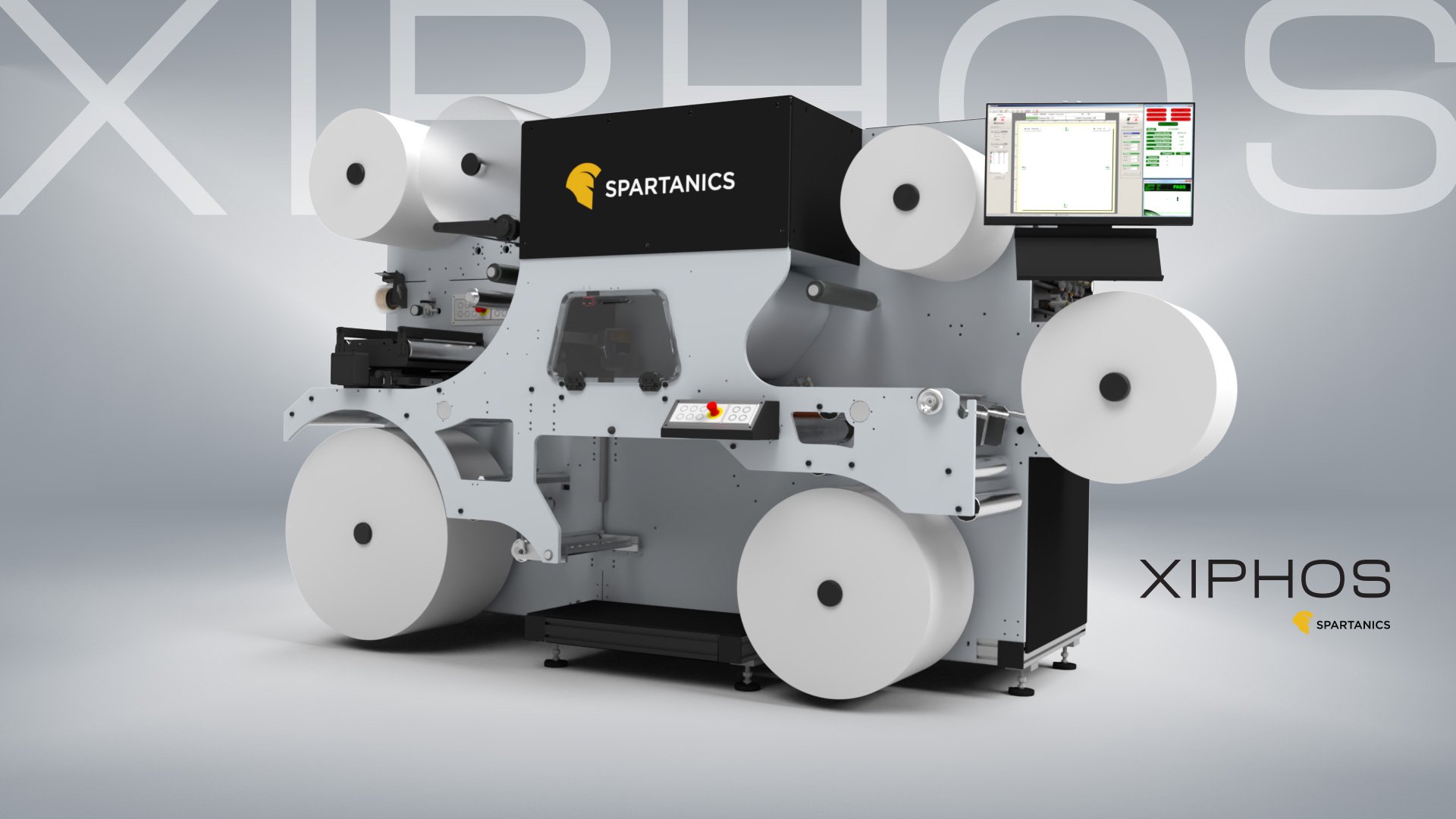
Explore top-tier equipment engineered for high-precision printing, web converting, roll-to-roll handling, and multi-substrate lamination.
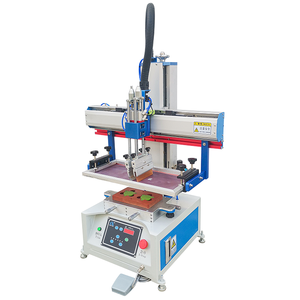
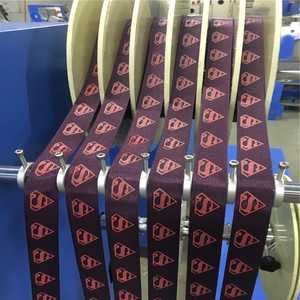
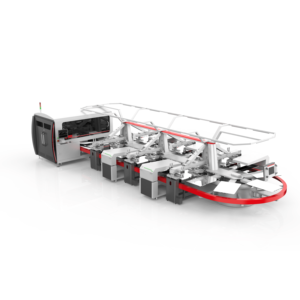
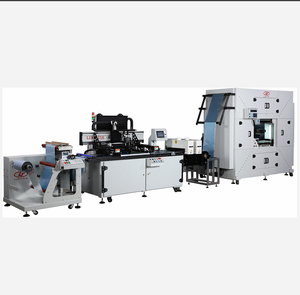
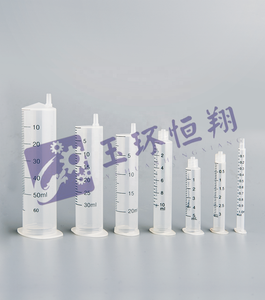
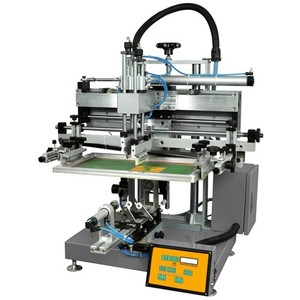
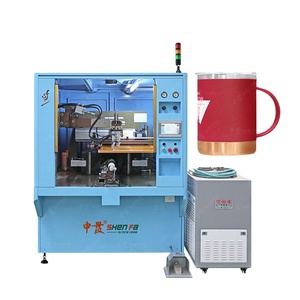
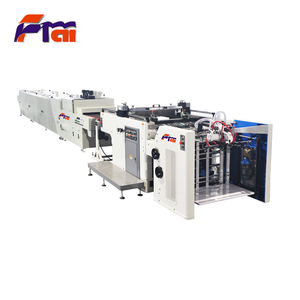
A technical side-by-side comparison for plant managers and procurement directors evaluating thermal vs cold laminating and direct converting.
| Technology Vector | Thermal Lamination (Hot Roll) | Pressure-Sensitive (Cold) | UV Liquid Adhesive Coating | Laser Thermal Converting |
|---|---|---|---|---|
| Bonding Principle | Heat-activated EVA / Polyolefin melt | Pressure-activated acrylic adhesive | UV photo-polymerized liquid resin | Non-contact photothermal fusion |
| Substrate Compatibility | BOPP, PET, PVC, Paper, Polycarbonate | Heat-sensitive films, Vinyl, Synthetics | Rigid boards, heavy packaging stock | PET, Polycarbonate, FPC, Adhesive stock |
| Temperature Range | 85°C – 150°C (±1°C Control) | Ambient (20°C – 25°C) | Ambient + UV Lamp Curing | Focused Fiber/CO2 Thermal Beam |
| Tooling & Setup Cost | Zero tooling (Roller setup only) | Zero tooling | Coating roller / Anilox sleeve | Zero tooling / 100% Digital vector file |
| Edge Quality & Sealing | Hermetic edge seal, ultra-smooth | Slight adhesive squeeze out risk | High gloss varnish coat | Sealed melt-edge, micro-spot finish |
| Best Production Fit | Medium-to-high volume cards & labels | Short-run indoor graphics & signs | High-speed carton varnish coating | On-demand SKUs, complex die-cut labels |
Engineered, built, and rigorously tested in Rolling Meadows, Illinois, USA — serving tier-1 manufacturers in over 60 countries.
Founded in 1963, delivering rugged, high-precision industrial machinery designed to run continuously across demanding production shifts.
Pioneers in laser die-cutting and thermal converting. Cut intricate shapes, kiss-cuts, and perforations directly from digital files without die costs.
Every single machine is run-tested on the customer’s actual substrate at our US headquarters before export. Speeds and tolerances are proven, not estimated.
Installed across 60+ nations with 24/7 remote diagnostic access, factory-trained technical support, and rapid spare-parts distribution.
Key technical shifts driving equipment choices for label converters, card manufacturers, and flexible packaging facilities.
Converters are shifting away from standalone lamination units toward fully integrated lines that combine thermal thermal lamination, digital inkjet printing, laser contour cutting, slitting, and automated inspection in a single servo-driven pass. This drastically cuts work-in-progress (WIP) time.
As SKU counts skyrocket and run lengths shorten, mechanical rotary dies introduce unacceptable lead times and storage overhead. Modern thermal laminator lines increasingly incorporate galvo-driven lasers (reaching spot sizes down to 0.1 mm) for instant job changeover directly from pre-printed web graphics.
Global environmental mandates demand recyclable substrates. Manufacturers are configuring thermal laminators to handle thin BOPP, PLA bio-films, and monomaterial polyolefins that require strict temperature regulation (within ±1°C) to prevent thermal deformation and web stretching.
Industry 4.0 sensor suites now continuously monitor heat transfer, roller nip pressure, optical register marks, and web tension. Automatic closed-loop feedback algorithms adjust heater duty cycles in real time to guarantee zero silvering, bubbling, or delamination across multi-shift production.
When sourcing industrial thermal laminators and web converting platforms from international equipment builders, procurement managers must evaluate equipment across five core operational vectors to mitigate technical and financial risks:
In cheap machinery, heating elements produce cold spots across the roller face, leading to weak bond strength and localized delamination. Premium suppliers utilize oil-heated or multi-zone electromagnetic induction heated rolls made of heavy-wall alloy steel, coated with high-durometer heat-resistant silicone or hard chrome to guarantee thermal stability up to 180°C across web widths exceeding 1000mm.
Thermal laminators process films under elevated temperatures, where tensile strength decreases. Without isolated multi-axis servo tension control, thin films stretch, warp, or curl upon cooling. Look for equipment featuring load-cell feedback dance arms and dual magnetic powder or servo brake/rewind tension systems.
Laminating plastic film to paper or single-sided synthetic stock creates differential thermal expansion. Commercial-grade thermal laminators incorporate adjustable micro-bar de-curling devices to yield flat, stackable finished sheets ready for instant folding, cutting, or automated card processing.
Ensure your machinery manufacturer provides pre-shipment factory acceptance testing (FAT) using your exact substrates. Leading US manufacturers like Spartanics provide full video verification, registered optical cut tests, and detailed quality reports prior to export loading.
Addressing common technical and purchasing questions from international buyers and equipment operators.
Looking for custom thermal laminating equipment, continuous roll-to-roll converting lines, or laser die-cutting integration? Send us your substrate samples, speed requirements, and drawing files. Our engineering team provides custom feasibility studies and technical proposals.