Rigidly engineered for high repeatability, micron-level optical registration, and heavy-duty conversion across flexible electronics, labels, and industrial substrates.
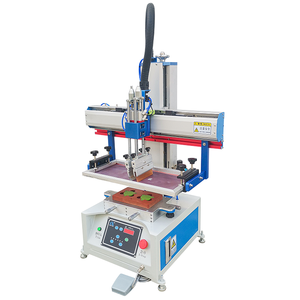
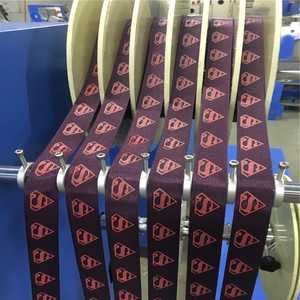
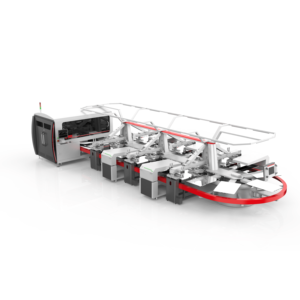
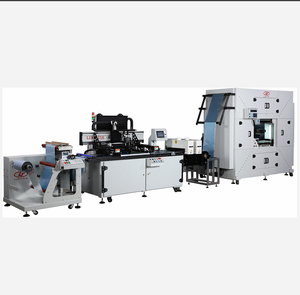
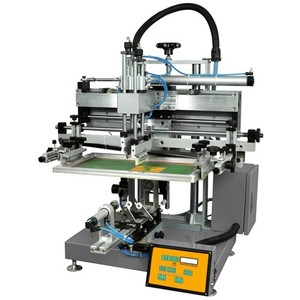
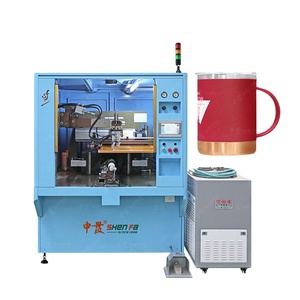
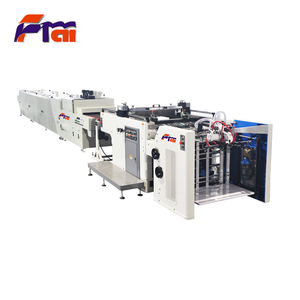
The global manufacturing ecosystem for converting equipment, roll-to-roll laser die-cutters, and high-speed screen printing machinery has underwent a massive structural transformation over the past decade. Historically, procurement teams faced a stark trade-off: invest heavily in European or North American machinery with high capital expenditure (CapEx) or opt for lower-cost Asian alternatives that frequently compromised on optical registration tolerances, web tension control, and dynamic laser focal mechanics.
Today, leading Chinese industrial cutter manufacturers and exporters have bridged this gap by integrating Western design standards—such as high-speed galvanometric laser heads, optical vision registration systems, and servo-driven web controls—with lean, vertically integrated Chinese assembly ecosystems. This hybrid model allows global converters, packaging manufacturers, membrane switch fabricators, and label printers to achieve sub-micron precision at a significantly optimized total cost of ownership (TCO).
Whether processing pressure-sensitive label stock, flexible printed circuits (FPC), polycarbonate overlays, or multi-layer laminate packaging, selecting the appropriate manufacturing partner in China requires a deep evaluation of mechanical rigidity, software integration capabilities, and post-installation service infrastructure.
A critical decision point for procurement directors and plant operations managers lies in choosing between digital laser finishing platforms (such as the XIPHOS and CS2100 series) and traditional mechanical rotary or flatbed die-cutters. Each methodology presents distinct operational advantages depending on batch size, job complexity, and substrate sensitivity.
| Performance Dimension | Digital Laser Die-Cutting | Mechanical Rotary Tooling | Servo Flatbed Press |
|---|---|---|---|
| Tooling Cost & Lead Time | Zero ($0 / 0 Days) | High ($500–$3,000 / 3–7 Days) | Moderate ($200–$800 / 2–4 Days) |
| Job Changeover Speed | Instant (Digital File Loading) | 30–60 Minutes Mechanical Set | 15–30 Minutes Setup |
| Cut Path Complexity | Unlimited Intricate Contours | Limited by Physical Blade Radii | Moderate Contour Precision |
| Minimum Spot Size / Kerf | 0.004 in (0.1 mm) Spot Size | Physical Blade Thickness (0.4mm+) | Physical Die Edge |
| Substrate Thermal Stress | Micro-Heat Affected Zone (HAZ) | Zero Thermal Stress | Zero Thermal Stress |
| Economic Run Length | Optimal for Short-to-Medium Runs | Optimal for Ultra-Long Static Runs | Optimal for Medium Batch Sheets |
As illustrated in the evaluation matrix, digital laser die-cutting eliminates the traditional bottlenecks associated with solid or flexible metal rotary dies. For converters handling dozens of SKU variations daily—such as short-run craft labels, personalized stickers, or variable packaging inserts—laser finishing provides an immediate reduction in scrap waste and inventory overhead.
When evaluating Chinese machinery OEMs for long-term production contracts, strategic sourcing teams must account for four major technological vectors that will define industrial converting through 2030:
Isolation of printing, laminating, slitting, and cutting into standalone machines introduces web re-registration errors and multiplies labor costs. Sourcing trends favor single-pass modular lines (e.g., CS2100) where inkjet printing, laser cutting, and inspection occur on a single servo chassis.
Standard registration mark sensors are increasingly replaced by multi-camera vision software that detects dimensional deformations across sensitive films (PET, PC, Polypropylene) and dynamically modifies the laser cut file in milliseconds.
Overseas buyers require remote system monitoring, PLC telemetry logging, and automated fault detection. Leading exporters offer encrypted 24/7 cloud diagnostics to maintain operational uptime across international plants.
Building high-precision machinery demands more than component assembly; it requires rigorous structural engineering and stringent validation procedures before shipment. Rooted in over 60 years of combined converting heritage, our design philosophy enforces non-negotiable manufacturing benchmarks:
Essential technical and operational answers for procurement directors, import managers, and converting system operators.
Consult with our senior technical engineering team to receive complete CAD layout files, custom tooling assessments, and detailed quotation parameters for your facility.