Enterprise Procurement & Engineering Guide

License Plate Manufacturing Machinery:
Next-Gen Automation, Security & Retroreflective Blanking

Global buyer directive on selecting high-throughput license plate manufacturing machinery, automated optical shears, roll-to-roll laser cutters, and hot stamping foil systems engineered for government-grade vehicle identification standards.

60+Years USA Engineering
60+Global Jurisdictions
±0.1mmShear Precision
100%Pre-Shipment Tested

Engineering Excellence Since 1963

Modernizing License Plate Production Lines Worldwide

As global vehicle registries modernize, government mints, correctional system production facilities, and authorized private contractors face growing pressures to overhaul legacy license plate manufacturing machinery. Moving from manual batch pressing to fully automated, high-speed roll-to-blank and roll-to-finished-plate lines requires a deep understanding of substrate dynamics, optical registration, retroreflective sheeting adhesion, and tamper-evident security integration.

Spartanics designs and manufactures state-of-the-art license plate manufacturing machinery at our headquarters in Rolling Meadows, Illinois. With over 60 years of electro-mechanical and laser conversion innovation, our platforms combine heavy-duty hydraulic pressing, camera-guided optical registration shearing, high-resolution digital printing, and hot stamping foil application into robust, scalable production ecosystems.

Whether processing coil-fed aluminum, pre-laminated retroreflective vinyl (such as 3M™ or Avery Dennison® sheeting), or composite acrylic substrates, Spartanics delivers guaranteed dimensional stability, zero retroreflective edge-burn, and micron-level registration accuracy across every finished tag.

3,000+Global Installations
4,000/hrMax Blanking Speed
0.004"Laser Spot Resolution
24/7Remote Diagnostics
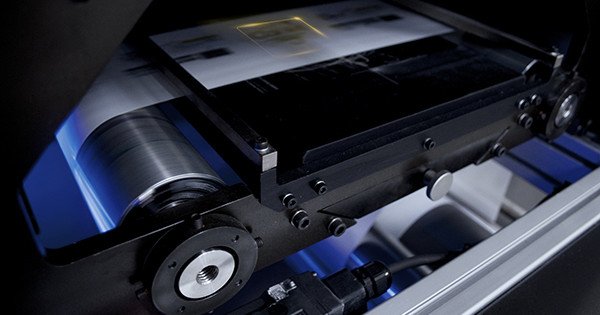
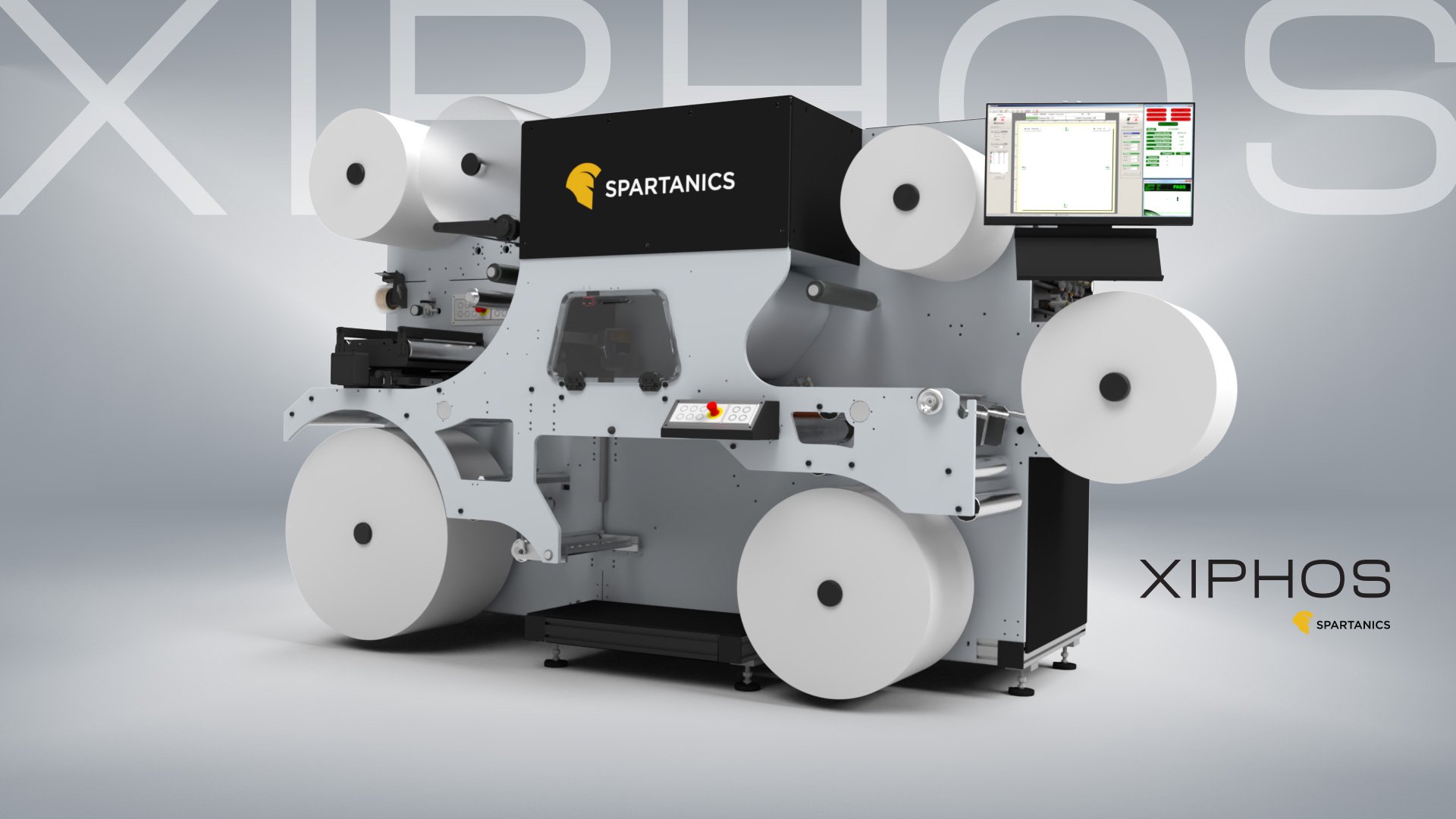
Spartanics compact laser finishing and blanking system for license plate manufacturing

Next-Gen Technology

Flexible Laser & Optical License Plate Blanking

Eliminate physical die tooling costs, eliminate multi-week die manufacturing lead times, and produce variable-size vehicle tags, motorcycle plates, and diplomatic license plate blanks directly from digital vector files with instant recipe changeovers.

Send an Inquiry

Product Lineup

Recommended License Plate Manufacturing Machinery

Spartanics offers a modular suite of equipment tailored to every stage of vehicle license plate fabrication, from raw retroreflective roll shearing to high-speed digital tipping and RFID embedding.

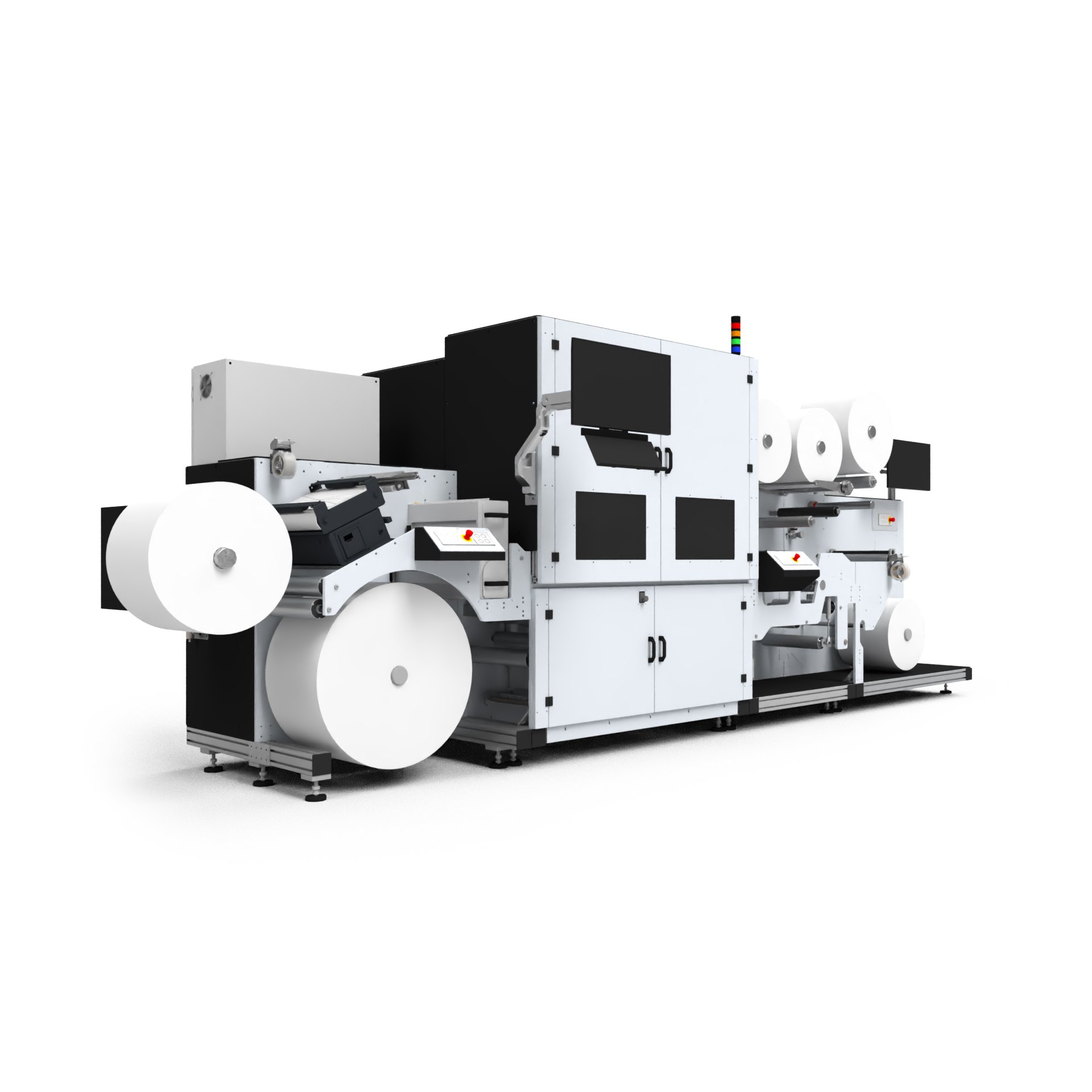
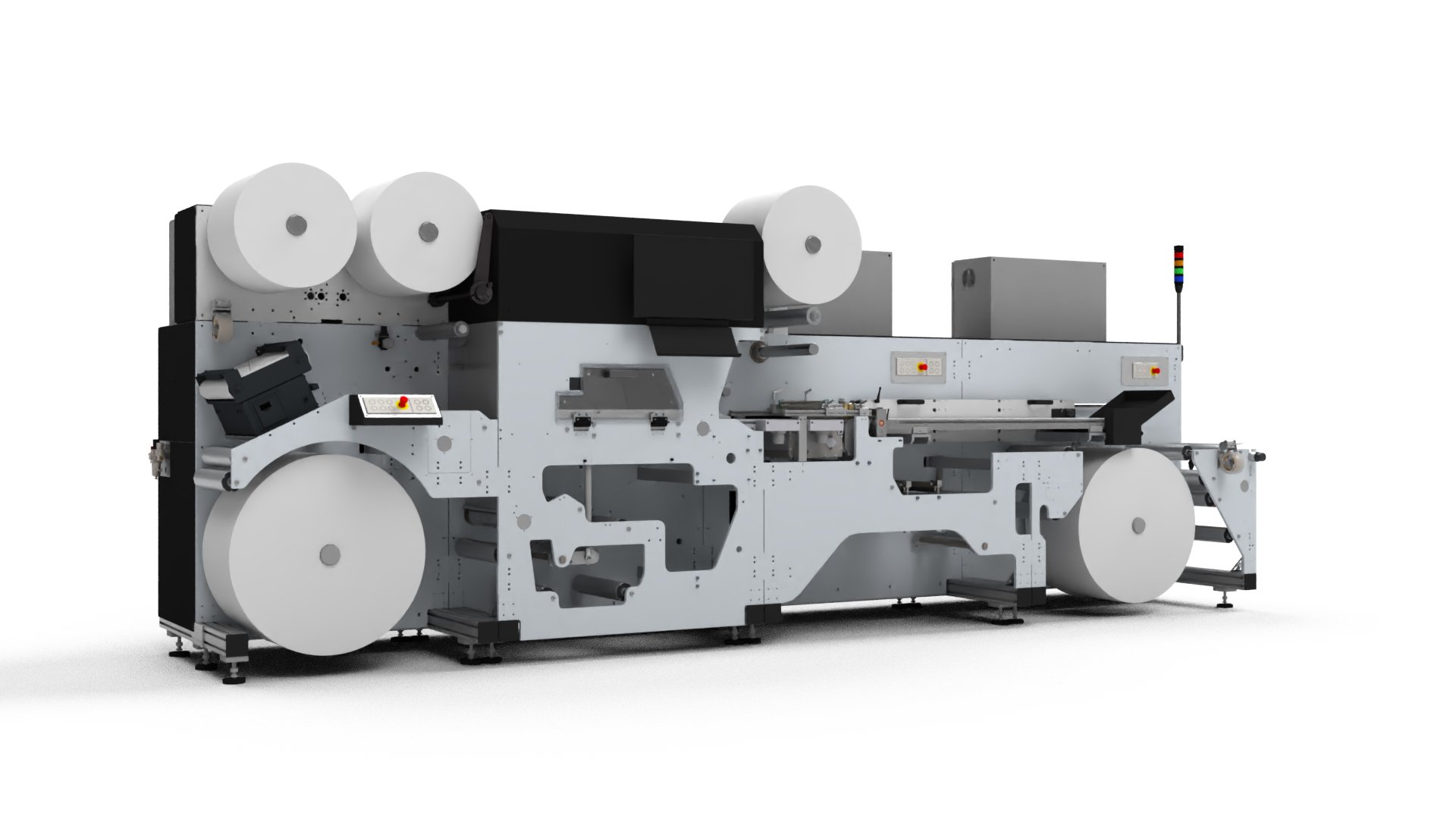
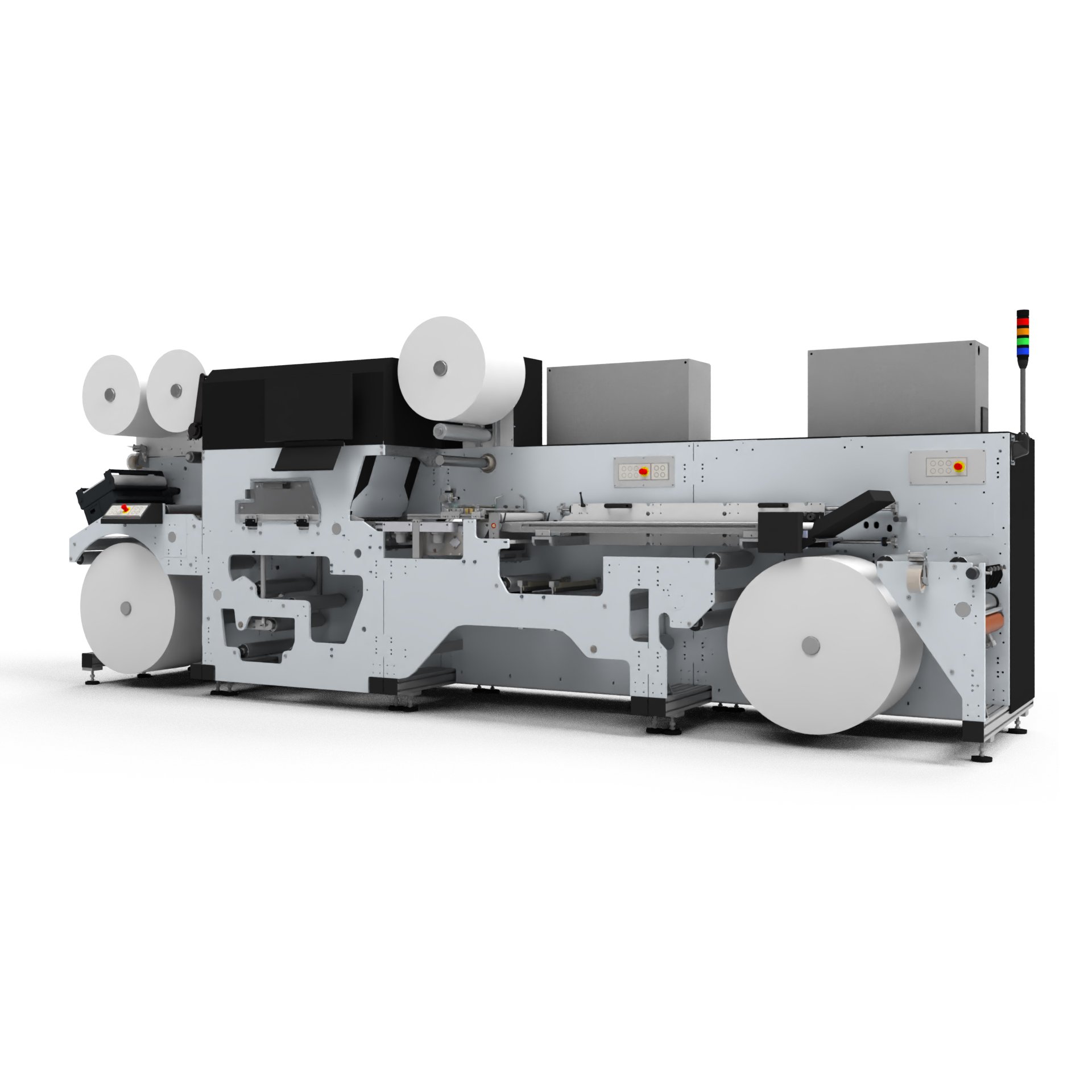
Spartanics CS2100 laser blanking system for license plate production

Laser Die Cutting Platform

CS2100 Roll-to-Roll Laser Blanking System

The Spartanics CS2100 represents the pinnacle of tool-free license plate manufacturing machinery. Designed to process continuous rolls of aluminum-backed or synthetic retroreflective sheeting, the CS2100 features sealed CO2 laser sources with closed-loop pulse modulation to prevent glass-bead matrix distortion or thermal edge discoloration.

  • Tool-Free Operation: Instant shape switching between standard automotive (6x12 in, 520x110 mm), motorcycle, and official government formats.
  • Integrated Vision System: Dual CCD cameras detect printed security borders, state logos, or QR codes to adjust cut paths dynamically.
  • Inline Sheering & Hole Punching: Cuts mounting slots, rounded safety corners, and outer perimeters in a single automated pass.
Send an Inquiry
Spartanics M255 Optical Registration Shear for license plate sheeting

Micron Precision Shearing

M255 High-Speed Optical Registration Shear

For operations converting pre-printed retroreflective sheets or continuous graphic webs, the M255 Optical Registration Shear is the industry benchmark. Using proprietary optical sensors, it corrects for web pitch error, thermal expansion, and printing stretch before performing high-force mechanical shears.

  • Sub-Millimeter Cut Accuracy: Maintains ±0.1 mm shear repeatability relative to printed target marks.
  • Burr-Free Edge Finish: Precision-ground carbide shear blades deliver clean edges on aluminum laminates up to 1.5 mm thickness.
  • Ergonomic & High-Throughput: Continuous automatic registration feeds up to 3,600 sheeted plate blanks per hour.
Send an Inquiry
Heavy duty mechanical press for aluminum license plate blanking

High-Volume Pressing

Heavy-Duty Mechanical Blanking & Rimming Press

Built for maximum structural rigidity and decades of continuous 24/7 operation, Spartanics mechanical presses deliver up to 100 tons of controlled hydraulic/mechanical force for blanking heavy-gauge aluminum coils, rimming protective borders, and progressive multi-stage stamping.

  • Heavy-Gauge Capacity: Blanking standard 1.0 mm to 1.5 mm aluminum coil stock with minimal tool deflection.
  • Progressive Die Compatibility: Simultaneously punch mounting holes, form outer rim contours, and stamp security serial numbers.
  • Safety & Low Maintenance: Dual-palm operation control, light curtains, and automated centralized lubrication systems.
Send an Inquiry
Spartanics digital printer and hot stamping foil system for license plate numbers

Finishing & Security Tipping

Digital Inkjet & Hot Stamping Foil Systems

Completing the license plate production workflow requires resilient color coating and tamper-evident security elements. Spartanics hot stamping presses apply high-durability thermal transfer foils over embossed alphanumeric characters, while inline digital inkjet modules add variable registration graphics.

  • Thermal Foil Bonding: Weather-resistant foil application surviving UV exposure, salt spray, and extreme climates.
  • Holographic Security Application: Precise registration of optical variable devices (OVD) and third-party security threads.
  • Variable Data Integration: Seamless pairing with central vehicle registry databases for real-time validation.
Send an Inquiry
High speed stack counter and stack verification system for license plate blanks

Inventory & Batch Security

High-Speed Stack Verification & Batch Counting

Integrate Spartanics precision optical counting technology to verify production quantities of license plate blanks, security stickers, and validation decals in under 5 seconds with zero physical contact.

Send an Inquiry

Procurement Analysis

Technology Comparison: Blanking Machinery

Selecting the ideal license plate manufacturing machinery depends on production volume, substrate variability, and local regulatory requirements. Below is an engineering comparison of the core blanking methods.

Performance Criteria Spartanics CS2100 Laser System Spartanics M255 Optical Shear Heavy-Duty Mechanical Press
Primary Application Short-to-Medium Runs / Custom / Vanity Pre-Printed Sheeting / Strip Shearing High-Volume Standard Coil Blanking
Production Speed Up to 1,800 blanks/hr (variable) Up to 3,600 shears/hr Up to 4,200 blanks/hr
Physical Tooling Spend $0 (Digital Vector File Driven) Low (Straight Shearing Blades) High (Custom Carbide Die Sets)
Changeover Lead Time < 2 Minutes (Recipe Select) < 5 Minutes (Blade Alignment) 30 – 60 Minutes (Die Swap)
Registration Accuracy ±0.05 mm (Vision Tracking) ±0.10 mm (Optical Sensor) ±0.25 mm (Mechanical Stops)
Substrate Versatility Alu-Laminates, PET, Microprismatic Retroreflective Sheets, Paper, PVC Coil Aluminum, Heavy Metals
Security Hole Punching Integrated On-the-Fly Cutouts Secondary Punch Module Needed Included in Stamping Tooling

Industry Roadmap

Global procurement directors must evaluate equipment against 10-year technological shifts. AI intent analysis reveals key operational directives shaping modern tag production.

01

RFID & eID Tag Integration

Automated insertion of Ultra-High Frequency (UHF) Gen2 RFID chips between aluminum and retroreflective layers during roll laminating and blanking.

02

Zero-Waste Laser Nesting

AI-driven dynamic nesting software optimizes tag cut arrangements along continuous web strips, reducing retroreflective material scrap by up to 18%.

03

Digital On-Demand Tipping

Shift from batch hot stamping to inline UV inkjet printing and digital foil application, enabling direct-to-plate variable serial number tipping.

04

Closed-Loop AI Inspection

High-resolution vision cameras scan 100% of finished license plates for optical character recognition (OCR), retroreflective defects, and color compliance.

05

Eco-Friendly Materials

Transition toward recycled aluminum alloys and solvent-free water-based retroreflective coatings requires precise thermal control during blanking.

06

Tamper-Evident Holograms

Integration of registered optical variable security structures (OVD) into retroreflective sheeting during high-precision shear registration.

07

Modular Workcell Automation

Robotic pick-and-place arms feeding raw blanks into rimming, embossing, and hot-stamping modules with zero human operator intervention.

08

Cloud Telemetry & Auditing

Government audit compliance platforms connected directly to press telemetry, tracking every unique serial number from raw coil to vehicle installation.

Trust & Technical Authority

Why Global Procurement Teams Choose Spartanics

Procuring license plate manufacturing machinery is a multi-decade capital investment tied directly to national security, revenue collection, and regulatory compliance. Spartanics stands apart by providing unmatched transparency, rigorous pre-shipment engineering validation, and robust ongoing support.

  • 100% Factory Material Validation: Before any machine order is finalized, buyers send their exact retroreflective film and aluminum stock to our Rolling Meadows facility. We run live cutting, shearing, and hot-stamping trials to prove speeds, cut-edge quality, and registration tolerances.
  • US-Built Precision Engineering: All mechanical presses, optical shears, and laser positioning tables are designed, machined, assembled, and programmed under one roof in Illinois, USA.
  • Global Installation Footprint: Machinery operating reliably in over 60 countries across North America, South America, Europe, Asia, Africa, and Australia.
  • Lifecycle Technical Support: Remote network diagnostics, factory-trained field support engineers, and guaranteed spare parts availability for decades of uninterrupted operational life.
Industrial converter customer partner Global identity substrate converting partner Automated tag production customer

Procurement FAQ

Frequently Asked Questions: License Plate Manufacturing Machinery

Technical answers to critical questions asked by plant managers, procurement officers, and government contract bidders.

A full turnkey license plate manufacturing factory typically comprises several integrated operational stages:

1. Substrate Preparation Line: Aluminum coil unwinding, surface cleaning, and retroreflective film lamination.
2. Blanking & Shearing Machinery: Heavy-duty mechanical blanking presses or Spartanics CS2100 Laser Cutters / M255 Optical Registration Shears for cut-to-length plate blanks with rounded corners and mounting slots.
3. Embossing / Stamping Stations: Hydraulic or manual digital character presses that raise license numbers.
4. Hot Stamping Tipping Machinery: Thermal foil applicators that apply durable color pigments to embossed character tops.
5. Inspection & Verification Systems: Optical counters and OCR vision cameras for automated serial number log auditing.

Yes, particularly for facilities handling high SKU variability, frequent regional design changes, short-run motorcycle tags, or custom vanity plates. Mechanical presses remain highly efficient for single-format runs exceeding 500,000 plates per year due to raw stroke speed. However, Spartanics laser die cutting systems eliminate the $15,000–$50,000 physical die costs, die storage rooms, and hours of changeover downtime, allowing plant operators to switch plate dimensions instantly via digital recipe selection.

Retroreflective sheeting contains glass micro-beads or prismatic micro-structures combined with sensitive adhesive backing. Inferior laser cutters cause top-layer melting, charring, or adhesive bleeding. Spartanics solves this through proprietary high-frequency pulse modulation CO2 laser technology, optimized gas nozzle geometry, and synchronized high-speed galvanometer motion control that vaporizes material edges instantly without thermal transfer into adjacent retroreflective zones.

During web feeding, temperature variations, roll tension, and ink drying can stretch or distort printed registration targets by up to several millimeters over a roll length. The Spartanics M255 Optical Shear and CS2100 Laser System feature real-time CCD camera sensor arrays. The vision software measures the exact position of printed fiducial marks on every single plate cycle and adjusts the cutting vector in X, Y, and rotational axes to achieve perfect print-to-cut registration tolerances of ±0.1 mm.

Absolutley. Modern identity tags frequently embed ISO 18000-6C / EPC Gen2 UHF RFID inlays between the retroreflective sheeting and metal base. Spartanics laser cutting and shearing machinery operate with non-damaging depth precision and zero electro-magnetic interference, safeguarding sensitive embedded RFID chips and antenna loops during blanking and shearing cycles.

All Spartanics machinery is custom-built to match global electrical standards, including 200V, 380V, 415V, or 480V 3-phase power configurations at 50Hz or 60Hz with CE marking compliance. Standard clean dry compressed air (6 to 8 bar) and optional integrated dust extraction/fume filtration units are provided depending on whether mechanical shearing or laser blanking is deployed.

Every system includes secure factory-installed telemetry units for remote internet diagnostics, allowing our software engineers in Illinois to troubleshoot sensor states and PLC logic in real time. We provide complete factory acceptance testing (FAT), on-site installation and operator training by factory technicians, and comprehensive user documentation in English, Spanish, German, and other languages.

Manufacturing Floor Updates

Inside Spartanics Engineering @spartanics8

Consult With an Engineer

Submit your substrate specifications, target production speed, and plate dimensions. Our technical engineering team will review your requirements and provide a tailored equipment analysis.

Send an Inquiry