The manufacturing sector in Metro Manila and adjacent industrial hubs within CALABARZON (Laguna, Cavite, Batangas) and Central Luzon (Bulacan, Pampanga) is undergoing a massive transformation. As the Philippine economy transitions rapidly toward automated identification, smart municipal transport ticketing, unified government IDs (PhilSys), and high-volume retail loyalty programs, local card manufacturing facilities and commercial print converters face unprecedented demand for high-precision card press equipment, optical registration shears, roll-to-roll screen printers, and high-speed card counting machinery.
Whether your production plant is situated in Quezon City's light industrial parks, Pasig's graphic converting zone, Taguig's high-tech manufacturing districts, or Laguna's Export Processing Zones (PEZA), procuring factory-direct card manufacturing machinery with regional engineering support is essential to maintaining low cost per unit and tight takt times.
To assist plant managers, industrial engineers, and procurement officers in selecting the appropriate machinery, we provide detailed technical analyses of our core card pressing, screen printing, and converting platforms tailored for the Philippine market.
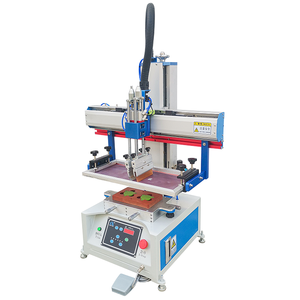
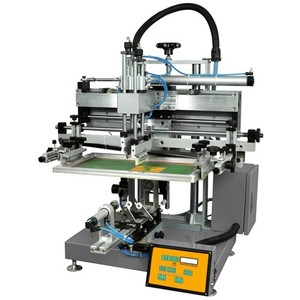
Engineered for rigid PVC, PETG, Polycarbonate (PC), and ABS card sheets. Featuring pneumatic lift mechanisms and high-torque Mitsubishi servo motors, these machines deliver uniform ink layer thickness essential for metallic underlays, contactless RFID antenna screen printing, and scratch-resistant top coats.
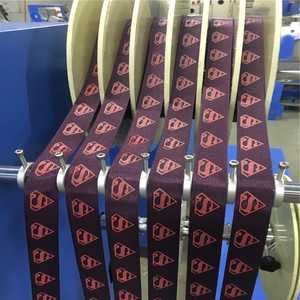
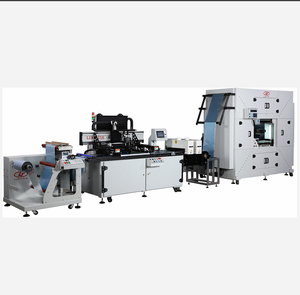
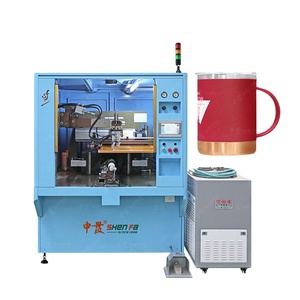
Optimized for flexible packaging inserts, satin ribbons, soft circuit boards (FPC), and continuous plastic card web laminates. Integrates tension-controlled magnetic particle brakes and vision-guided optical tracking to eliminate web wander during multi-color screen printing runs.
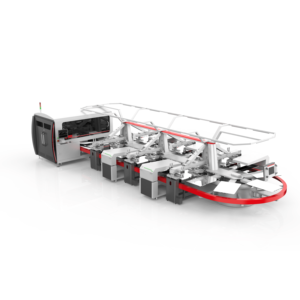
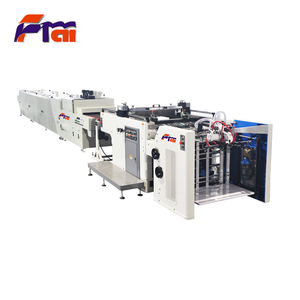
The FJ780 and MSP series offer ultra-fast cycle speeds for high-volume commercial printing. Designed for zero-margin edge printing, tactile micro-embossing, and UV-curable varnish application on pre-cut card blanks and sheeted synthetic papers.
Compare operational characteristics across our card manufacturing and screen printing hardware portfolio to align equipment selection with your plant's throughput targets:
| Machine Platform | Primary Substrate Compatibility | Registration Precision | Max Production Speed | Recommended Manila Application |
|---|---|---|---|---|
| Pneumatic Servo Flatbed Press | PVC, PC, ABS, Glass, Acrylic Sheets | ±0.015 mm | 1,200 sheets / hr | Banking Cards, Security Badges, RFID Antenna |
| FJ780 Reversible Cylinder Press | Synthetic Paper, PET Film, Heavy Board | ±0.020 mm | 3,600 sheets / hr | Retail Loyalty Cards, Scratch Cards, Packaging |
| High-Speed FPC Soft Circuit Press | Flexible Printed Circuits, PET Web, Polyimide | ±0.010 mm (Camera Guided) | 2,200 impressions / hr | Smart Card Inlays, Biosensors, Electronics |
| Automatic Roll-to-Roll Ribbon Press | Nylon Webbing, Polyester Tape, Satin Ribbon | ±0.030 mm | 4,500 meters / hr | Lanyards for ID Cards, Security Threading |
| Spartanics 680 High-Speed Counter | Standard ISO CR80 Plastic Cards (PVC/ABS) | 100% Accuracy (Optical) | 500 cards / 5 sec | Vault Quality Control, Batch Dispatch Verification |
Selecting card press and printing machinery requires a deep understanding of local operational contexts. Below are key industrial applications where our technology drives high efficiency for Philippine card factories and converting facilities:
With Metro Manila's expanding public transport system—including the MRT-3, LRT-1, LRT-2, and regional bus rapid transits relying heavily on contactless smart cards like the Beep card—local card manufacturers require equipment capable of printing ultra-thin conductive silver inks for RFID coil antennas. Our servo-driven flatbed screen printing machines deposit exact conductive ink profiles onto PET/PVC layers before lamination, guaranteeing consistent read distances across millions of commute transactions.
Security card production demands strict adherence to ISO/IEC 7810 dimensional standards and micron-level print registration. Plants producing government-issued credentials require combined screen printing for optically variable ink (OVI), holographic foil transfer via hot stamping presses, and precise die-cutting. Spartanics mechanical die-cutting presses and optical registration shears allow Manila card manufacturers to maintain tight tolerances, preventing card delamination and optical alignment failures under intense daily usage.
The Philippines' booming retail sector—anchored by major conglomerates operating across SM Malls, Robinsons Malls, and Ayala Malls—generates massive demand for custom-printed plastic gift cards, VIP membership cards, and co-branded EMV banking cards. Utilizing our FJ780 Automatic Reversible Silk Screen Printing Machine allows factories to rapidly apply metallic luster undercoats, UV spot gloss coatings, and magnetic stripe protective finishes with minimal set-up times between short-run SKU changes.
Beyond standard CR80 plastic cards, industrial parks in Santa Rosa, Calamba, General Trias, and Rosario house electronic manufacturing services (EMS) that produce graphic overlays, membrane switches, and medical device touchpanels. Our soft-circuit board silk screen printers feature CCD vision registration systems that align micro-patterned conductive tracks onto heat-stabilized polycarbonate films, resisting long-term tropical heat and humidity exposure.
Healthcare facilities across Metro Manila (such as St. Luke's Medical Center, Medical City, and Asian Hospital) are integrating specialized medical self-service printing kiosks. Our integrated Medical Self-Service Printing Modules streamline patient ID card issuing, thermal wristband encoding, and medical report printing, ensuring patient data integrity and zero-jam operation in high-traffic emergency and outpatient settings.
Operating a card press or converting factory in the Philippines presents unique environmental and operational factors that directly influence machinery selection and longevity:
High ambient humidity levels in Manila cause plastic substrates to absorb moisture, leading to unpredictable dimensional stretching during thermal curing cycles. Our screen printing presses utilize low-temperature UV curing units and vacuum-assisted suction beds that stabilize sheet geometry, preventing misregistration during multi-pass ink application.
Power fluctuations can disrupt delicate PLC circuitry and servo position timers. All equipment shipped to the Philippines features heavy-duty industrial transformers compatible with local 220V/230V 60Hz 3-phase power grids, along with regenerative servo drives that reduce electrical power consumption by up to 28%.
In response to global sustainability initiatives, Philippine card issuers are replacing standard PVC with eco-friendly PETG, PLA, and ocean-bound recycled plastics. Our mechanical punch presses and laser converters are calibrated to handle variable sheet shear strengths without causing edge cracking or burr formation.
Building on over 60 years of precision engineering heritage from our Illinois, USA technology center, Spartanics and our global equipment network deliver uncompromised reliability, micron-level accuracy, and end-to-end card converting platforms to over 60 countries worldwide.
Every card press, mechanical die cutter, screen printing system, and high-speed card counter undergoes 100% real-material factory testing prior to export dispatch. Our clients in Metro Manila benefit from complete pre-shipment speed validation, direct remote telemetry support, and fast spare-parts fulfillment through our regional logistics partners in South East Asia.
Here are direct, technical answers to common queries raised by card printing plant operators and purchasing directors in the Philippines: