Engineered for seamless integration across Argentine flexible packaging, commercial printing, and industrial coating plants.
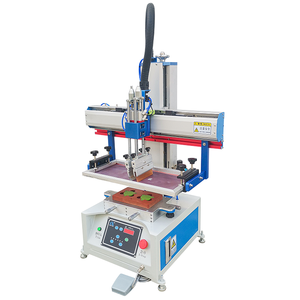
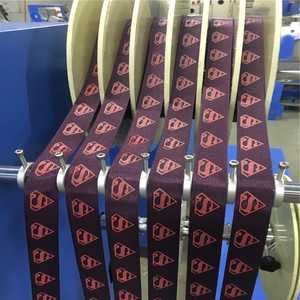
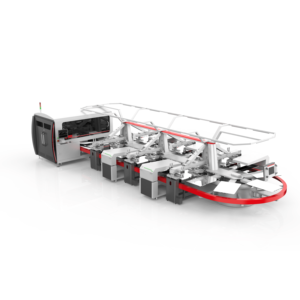
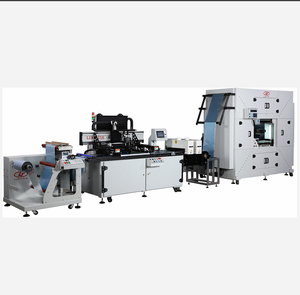
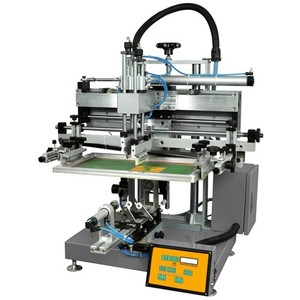
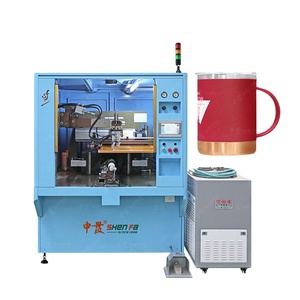
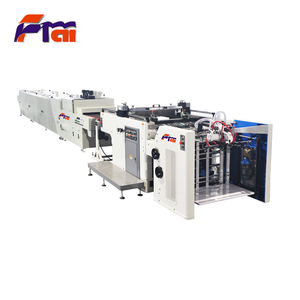
The manufacturing sector in Argentina—spanning key economic centers from the Autonomous City of Buenos Aires (CABA) and Greater Buenos Aires (GBA) to the industrial corridors of Córdoba, Rosario (Santa Fe), and Mendoza—is undergoing a rapid technological migration toward high-efficiency continuous web processing. Industrial web laminators play a pivotal role in this transition. These automated roll-to-roll (R2R) web converting platforms are essential for laminating flexible packaging, protective films, pressure-sensitive label stock, solar backsheets, automotive graphics, and specialized agricultural barriers.
Argentine converters face double-sided pressures: navigating strict import regulations (SEDI compliance), volatile currency exchange dynamics, and rising localized electricity tariffs, while simultaneously meeting stringent MERCOSUR food-contact standards (SENASA / ANMAT guidelines). To maintain high gross margins and minimize scrap rates, Argentine print houses and packaging converters require web laminating systems that deliver micron-level thermal control, dynamic closed-loop tension regulation, energy-efficient drying, and ultra-fast mechanical setup.
Key Takeaway for Argentine Procurement Directors: China’s top-tier web laminator manufacturers offer advanced servo-driven, solventless, and thermal lamination architectures engineered with premium European electrical components (Siemens PLC, Schneider electrics, Yaskawa servos), providing a 40% to 60% lower total cost of ownership (TCO) compared to legacy European alternatives without compromising registration accuracy or continuous web speed.
Combining over six decades of American converting technology heritage—originally pioneered through heavy-duty industrial punch presses, optical shears, and laser registration systems—with China’s state-of-the-art precision machinery manufacturing infrastructure, our web laminating machinery represents the pinnacle of international engineering collaboration.
Every web laminator manufactured in our ISO 9001:2015 certified production center is built upon a stress-relieved solid steel frame to eliminate high-speed harmonic vibration. Unlike light-duty domestic assemblies, our heavy-duty web laminators utilize dynamic oil-heated chrome calender rolls, pneumatic expansion shafts, automatic edge-guiding system (EPC/LPC), and laser-guided tension sensors capable of maintaining uniform pressure across web widths ranging from 400 mm up to 1800 mm.
Independent Yaskawa/Panasonic servo motors drive each lamination nib and unwinding spindle, preventing substrate elongation on extensible films like PE and BOPP.
Internal spiral oil-recirculation heating drums maintain roll surface temperature uniformity within ±1°C across 1600mm web widths, ensuring zero optical haze or blistering.
High-resolution CCD visual alignment system scans pre-printed web registration marks in real time, automatically correcting lateral and axial web displacement up to 300 m/min.
Understanding regional industrial specialization in Argentina is critical for recommending the correct web laminator configuration. Our engineering team customizes film unwinders, corona treaters, adhesive metering units, and rewinding turrets based on localized demand:
Argentina’s world-class wine industry requires high-end pressure-sensitive labels featuring tactile embellishments, hot foil stamping, matte-finish velvet thermal lamination, and moisture-resistant barrier laminations. Our high-precision compact web laminators handle delicate textured papers and thin synthetic films (PET, PP), delivering zero matrix breakages during continuous matrix stripping.
Flexible food packaging converters producing pouches for coffee, snack foods, dairy products, and agricultural seeds rely heavily on our solventless multi-layer web laminating lines. By laminating BOPP/PE, PET/ALU/PE, and bio-degradable PLA structures using five-roll precision metering systems, local plants eliminate solvent emission hazards, drastically reduce energy consumption (no drying tunnel required), and comply with stringent ANMAT food safety mandates.
In Córdoba's robust automotive and industrial electronics cluster, web laminators are integrated directly into roll-to-roll screen printing and digital printing lines. These heavy-duty laminators apply ultra-durable UV-protective clear overlays over membrane switches, instrument panels, and vehicle graphics, offering supreme resistance against chemical abrasion and Patagonian UV exposure.
| Argentine Sub-Region | Target Industry | Recommended Web Substrates | Lamination Technology |
|---|---|---|---|
| Mendoza / Cuyo | Wine & Spirits Labels | BOPP Matte, Soft-Touch PET, Metallized Film | Dry Thermal / Cold Pressure Web Lamination |
| Buenos Aires / GBA | Flexible Food Packaging | BOPP/CPP, PET/PE, Aluminium Foil, Nylon | Solventless Polyurethane 2-Component Lamination |
| Córdoba Industrial | Automotive & Appliance Panels | Polycarbonate (PC), Heavy-Duty PVC, Graphic Vinyl | Heavy-Duty Cold Roll Web Lamination + Liner Rewind |
| Rosario Hub | Agro-Chemical Barriers | Co-extruded Barrier Films, HDPE, PET/ALU | Thermal Dry Bond / Wet Solventless Converting |
The Argentine industrial landscape is undergoing dynamic structural shifts. Commercial print shops and flexible packaging plants must adapt to four main market catalysts:
With global sustainability standards tightening and local petrochemical solvent prices rising, Argentine packaging plants are aggressively replacing traditional solvent-base dry laminators with high-efficiency Solventless Web Laminating Machines. Solventless technology consumes up to 70% less electrical power because it eliminates thermal drying ovens, while maintaining bond strengths exceeding 4.5 N/15mm on multi-layer film structures.
Industrial electricity tariffs in Argentina have adjusted toward international cost benchmarks. Factory managers can no longer afford energy-inefficient 100kW heating tunnels. Our web laminators feature intelligent zone-controlled infrared heaters, regenerative servo drives, and insulated heating rollers, lowering total electrical consumption per linear meter by over 35%.
Brand owners across South America are multiplying SKU counts for niche markets, requiring print houses to handle shorter run lengths with rapid job changeovers. Our web laminators feature digital job recipe memory, pneumatic quick-change sleeve rollers, and auto-tension setup, cutting job changeover times from 45 minutes down to less than 8 minutes.
Modern Argentine converters are combining web lamination with inline surface inspection cameras, corona treaters, digital inkjet printing modules, and rotary die-cutters. This single-pass manufacturing philosophy eliminates intermediate rewinding stages, reducing waste and labor requirements.
A high-performance web laminator is far more than a simple pair of pressing rollers. It is a synchronized mechatronic ecosystem. Below is an engineering overview of our proprietary machine architecture:
Dual-position cantilevered unwinding shafts equipped with pneumatic safety chucks and ultra-sensitive load cells monitor web tension dynamically. Dynamic magnetic particle brakes or AC servo-regenerative drives modulate unwind torque at 100Hz frequency, preventing web necking or wrinkling on thin 12-micron PET films.
Features a 5-roll precision coating system with independent servo-motor drives for every roller. Thermally controlled water jacket circuits maintain constant adhesive viscosity inside the gap. Micrometer gap adjustment screws allow adhesive coat weights as low as 0.9 g/m² up to 3.0 g/m² with micro-metric repeatability.
The core lamination nib consists of a heavy-gauge chrome steel roller paired with a high-durometer rubber impression roller. Pneumatic or hydraulic cylinders apply up to 6000 kg of uniform nip pressure across the web. The chrome roller features internal double-spiral fluid channels ensuring uniform heat transfer across the entire face width.
Equipped with automatic surface/center rewinding capability, programmable taper tension curves prevent inner-ring crushed cores or tele-scoping roll profiles. Integrated pneumatic knife systems allow automatic flying splice roll changes at full production speed without stopping the line.
Consult with our senior web lamination engineering team today. Receive custom technical layouts, substrate test reports, and factory-direct pricing tailored for your market.
Get Catalog