Proven roll-to-roll machinery engineered for continuous roll converting, high-density serigraphic deposition, battery film processing, flexible packaging, and specialized Chilean manufacturing lines.
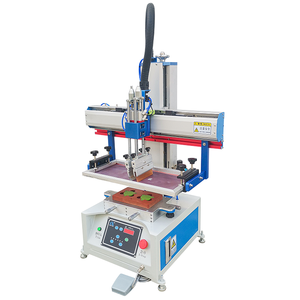
Precision flatbed press featuring digital pneumatic control and servo print carriage integration. Designed for flat battery substrates, lighter housings, and rigid industrial components requiring high-ink film thickness.
Inquire Now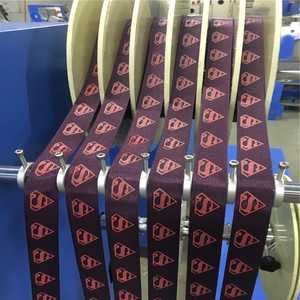
Fully automatic multi-color continuous web screen printer for satin, nylon, polyester webbing, and narrow fabric tapes. Features integrated infrared flash drying and precise web tension management.
Inquire Now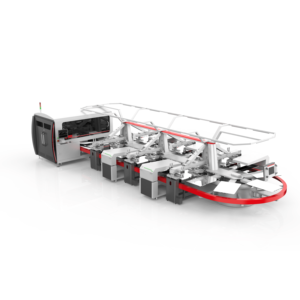
Heavy-duty industrial oval screen printer equipped with modular PLC control components. Delivers high throughput for garment embellishment, textile graphics, and multi-station print registration.
Inquire Now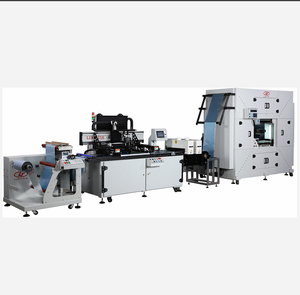
High-precision roll-to-roll screen printing system optimized for flexible printed circuit boards (FPC), technical films, pressure-sensitive labels, and conductive ink deposition.
Inquire Now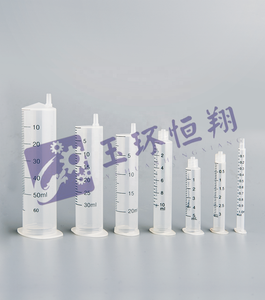
Specialized medical-grade automated print terminal engineered for hospital diagnostic film output, heavy-duty patient record labeling, and sanitary self-service converting environments.
Inquire Now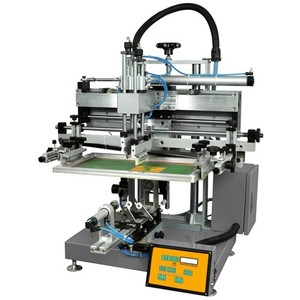
Compact pneumatic cylindrical printer tailored for precision curved substrate decoration, laboratory sample production, container printing, and small-batch industrial components.
Inquire Now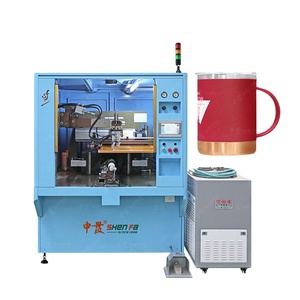
High-repeatability semi-automatic container screen printer built for 2-color direct print on beverage bottles, cosmetic tubes, and industrial plastic packaging cylinders.
Inquire Now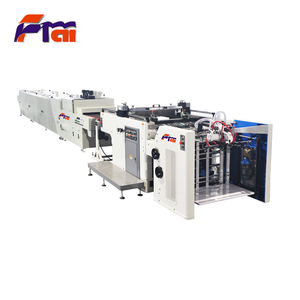
Heavy-duty stop-cylinder sheetfed screen printer providing precise registration, rapid ink drying compatibility, and continuous high-speed finishing for premium packaging stock.
Inquire NowAs the industrial landscape of South America evolves, Chilean converters and packaging manufacturers face unprecedented market shifts. Driven by expanding agricultural exports (such as fresh fruits and premium viticulture), rapid growth in lithium and clean energy industrial manufacturing in regions like Antofagasta, and stringent national sustainability mandates (Ley REP - Ley de Responsabilidad Extendida del Productor), production lines must achieve exceptional precision, reduced web waste, and rapid job changeovers.
Standard off-the-shelf converting equipment often fails to address the specific environmental, substrate, and operational constraints faced by Chilean plants. From handling humidity variations in coastal ports like Valparaíso to meeting high-speed converting requirements for pressure-sensitive labels, technical film laminates, and membrane switches in Santiago’s industrial corridors, custom OEM web converting machinery provides a clear competitive edge.
Roll-to-roll (R2R) web converting involves continuous processing of flexible substrates—including PET, PVC, polycarbonate, paper laminates, aluminum foils, and non-wovens—from an unwind stand, through precision processing stations (printing, die-cutting, lamination, slitting), to a final rewind spindle. Achieving sub-millimeter register accuracy requires three engineering pillars:
Modular engineering options tailored to your precise roll-to-roll converting requirements.
Toolless contour cutting, kiss-cutting, and micro-perforation with spot sizes down to 0.004 in (0.1 mm). Eliminates physical die tooling costs and multi-week lead times.
High-deposit serigraphic heads for tactile inks, conductive traces, opaque whites, and braille effects on flexible webs with automated registration.
Camera-based mark detection compensating dynamically for web stretch, thermal expansion, and mechanical drift on pre-printed webs.
Custom OEM web converting machinery exported to Chile serves a diverse range of high-value industrial manufacturing and packaging sectors. By optimizing machine specs for regional applications, converters maximize operational efficiency and product quality.
Chile's world-renowned wine exporters demand high-end pressure-sensitive labels with complex embellishments—including heavy tactile screen varnish, hot foil stamping, micro-embossing, and intricate laser die-cut borders. OEM roll-to-roll converting platforms allow wine label printers to integrate high-opacity screen printing with toolless laser cutting on textured, wet-strength papers and synthetic substrates, preventing label degradation during cold storage and sea freight transport.
As a leading exporter of cherries, blueberries, and table grapes to global markets, Chile requires advanced modified atmosphere packaging (MAP). OEM web converting lines engineered with high-speed CO2 or fiber laser perforation modules create sub-millimeter gas exchange holes in continuous polypropylene and polyethylene fruit bags, ensuring controlled respiration rates during maritime transit.
Chile’s mining sector operates under extreme conditions—ranging from high UV radiation in the Atacama Desert to corrosive chemical exposure in copper and lithium extraction plants. Converting durable synthetic materials (such as heavy-gauge PVC, PET, and polyimide films) into chemical-resistant warning tags and RFID track-and-trace asset labels requires heavy-duty mechanical shear presses, optical registration, and specialized screen printing systems capable of thick ink film deposition.
With Chile advancing its green hydrogen and lithium-ion supply chains, demand for roll-to-roll converting of functional electronic films is rapidly increasing. Custom OEM lines support screen printing of conductive silver/carbon pastes, dielectric insulators, and thin-film battery separators under ultra-clean web handling conditions.
Selecting the correct converting technology directly impacts capital expenditure, setup time, and overall unit processing cost. The table below outlines key operational parameters for Chilean plant managers evaluating converting technologies:
| Performance Metric | Rotary Die Tooling | Mechanical Platen Press | OEM Digital Laser Finishing |
|---|---|---|---|
| Tooling Cost & Lead Time | High ($1,500–$5,000 per SKU / 2-3 weeks) | Moderate ($500–$1,500 / 1-2 weeks) | Zero Tooling Cost ($0 / Instant Setup) |
| Job Changeover Time | 30 – 60 Minutes | 45 – 90 Minutes | < 2 Minutes (Recipe File Load) |
| Min Cut Feature / Radius | 0.5 mm (Tooling Limited) | 1.0 mm (Blade Limited) | 0.1 mm (0.004 in Spot Diameter) |
| Optimal Run Volume | Long Continuous Runs (>50,000 m) | Medium Flat-Sheet Runs | Short to Medium Runs & Versioned SKUs |
| Pre-Printed Web Registration | Mechanical Pin / Sensor Mark | Manual Mechanical Stop | Real-Time Dynamic Camera Compensation |
| Substrate Compatibility | Standard Papers & Thin Films | Rigid Plastics & Cardboard | PET, PVC, PC, Paper, Foils, Technical Laminates |
With over six decades of dedicated machine building heritage, our engineering framework prioritizes mechanical durability, component standardized sourcing, and comprehensive post-sale support for overseas buyers.
Before any machine contract is finalized, your specific Chilean substrate—whether custom adhesive stock, specialized barrier film, or heavy synthetic film—is processed on our factory floor. We provide comprehensive run reports, measured linear web speeds, edge-quality microscopic analysis, and physical cut samples to eliminate technical uncertainty.
Our flagship modular machinery chassis allows Chilean plants to invest in baseline capabilities (such as unwind, laser cutting, slitting, and rewind) and retro-fit additional modules (inkjet print heads, UV screen printing stations, lamination, rotogravure coating, or rotary hot stamping) as order volumes expand. This modularity protects capital investment and prevents equipment obsolescence.
Distance should never compromise machine uptime. Every converting system exported to South America features secure industrial remote connectivity. Our factory engineers in Illinois perform real-time PLC diagnostics, motion controller calibration, software updates, and video-assisted troubleshooting alongside your local Chilean engineering teams.
Clear technical and commercial answers for plant managers, procurement directors, and industrial engineers in Chile.
All exported machinery is fully configured to match Chile’s standard industrial electrical grid (typically 380V, 50Hz, 3-Phase). Systems are packed in export-grade, vacuum-sealed wooden cases to prevent salt-air corrosion during ocean freight to ports such as Valparaíso or San Antonio. We provide complete HS code documentation, certificates of origin under the US-Chile Free Trade Agreement (FTA) to minimize import duties, and complete technical manuals in English and Spanish.
Rotary dies require significant upfront tooling expenses, international freight costs to Chile, and days or weeks of waiting for physical delivery. Laser die-cutting processes short-to-medium runs and variable multi-SKU orders directly from digital vector files. With zero die wear, zero storage requirements, and instant shape changes, laser die-cutting vastly reduces cost-per-job for versioned product lines like wine, craft beverage, and gourmet food labels.
Our OEM roll-to-roll converting systems employ closed-loop servo tension systems with high-precision strain-gauge load cells and dynamic air-bearing dancer arms. This system continuously monitors web pull and adjusts motor torque thousands of times per minute, keeping tension stable down to ±0.5 N. This prevents stretching, necking, or register misalignment on delicate PE, thin PET, and breathable food wrapping films.
Yes. Our modular platform allows continuous roll-to-roll screen printing (using specialized UV or LED curing tunnels) positioned inline before a vision-guided laser cutting unit. This allows converters to print high-density tactile effects, conductive inks, or opaque background colors and cut complex contours in a single uninterrupted pass, dramatically cutting labor costs and throughput times.
We maintain a comprehensive stock of critical mechanical, electrical, and optical spare parts. Express international air freight delivers components directly to Chilean facility doors within 48 to 72 hours. Furthermore, integrated IP cameras and remote gateway modules allow our senior technicians to inspect system diagnostics remotely alongside your maintenance staff.
An integrated vision system with high-speed CCD cameras captures registration marks or printed artwork boundaries on the moving web. The control software continuously compares actual mark coordinates against expected CAD file geometries, instantly steering the galvo laser mirrors or adjusting rotary motor timing to correct for material stretch, thermal shrinkage, or print distortion on the fly.
Consult directly with our senior converting equipment engineers. Submit your substrate specifications, production targets, and process drawings for a comprehensive engineering assessment and factory material trial report.