Explore our high-performance converting systems, continuous screen printing presses, and digital finishing machinery optimized for Vietnamese manufacturers.
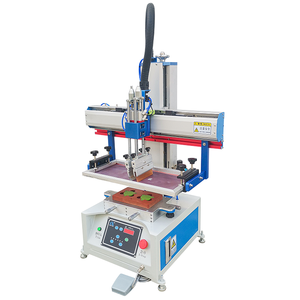
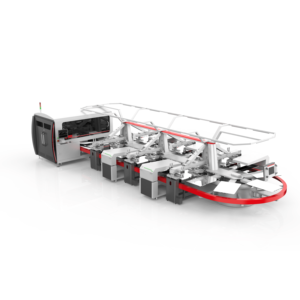
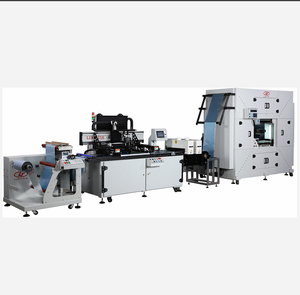
Vietnam has emerged as a cornerstone of global manufacturing, transitioning from low-cost assembly to high-value industrial production across electronic components, automotive parts, apparel, flexible packaging, and smart logistics tags. As global OEMs shift supply chain operations to key industrial corridors such as Bắc Ninh, Thái Nguyên, Bình Dương, Đồng Nai, and Hải Phòng, the demand for precision finishing machinery—specifically digital laser cutters, high-speed flatbed screen printers, and automated converting lines—has skyrocketed.
Traditional rotary tool cutting and manual die cutting methods present severe bottlenecks for modern Vietnamese manufacturers. High physical die tooling costs, long procurement lead times for foreign-made dies, and labor-intensive setup adjustments impede rapid order fulfillment. To remain competitive in international supply chains, factories in Ho Chi Minh City and Hanoi are rapidly upgrading to digital cutting and roll-to-roll screen printing ecosystems that eliminate physical dies, drastically reduce setup waste, and support micro-run customization with micron-level camera registration.
Information Gain Insight: Modern digital converting machines equipped with 0.1 mm focus spot lasers and CCD vision camera optical alignment reduce job changeover time from 3.5 hours down to 90 seconds, saving upwards of $45,000 annually per production line in physical die maintenance and web scrap.
Dominated by smartphone manufacturing, flexible printed circuits (FPCB), OLED optical films, and conductive membrane switches requiring high-precision laser kiss-cutting and vision-guided screen printing.
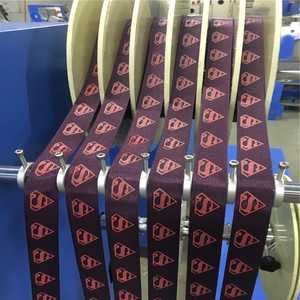
High-volume production of heat transfer labels, satin ribbon webbing tapes, reflective footwear accents, and RFID garment hangtags utilizing continuous roll-to-roll screen printers.
In-mould decoration (IMD/IML), automotive instrument graphics, durable decal shearing, and medical self-service graphic printing requiring heavy-duty mechanical presses and optical registration shears.
For operations directors and procurement teams in Vietnam evaluating capital equipment, selecting between digital laser cutting systems (such as the Spartanics CS2100 & XIPHOS platforms) and traditional solid or flexible rotary dies requires a total cost of ownership (TCO) evaluation. Below is an engineering comparison matrix detailing the economic and operational performance over a 100,000-unit monthly output.
| Performance Metric | Digital Laser Die Cutting (Spartanics Tech) | Traditional Rotary Die Tooling | Impact on Vietnamese Plant Operations |
|---|---|---|---|
| Tooling & Plate Spend | $0 USD (File-driven vector path) | $350 - $1,200 USD per SKU line | Eliminates die inventory storage & reordering delays. |
| Job Setup & Changeover | < 2 Minutes (Digital recipe reload) | 45 - 90 Minutes (Physical tool mounting) | Dramatically increases daily machine uptime. |
| Min Cut Feature Size | 0.1 mm (0.004 in) Spot Diameter | 0.8 mm (Radius mechanical limitation) | Enables ultra-intricate geometry & micro-perfs. |
| Substrate Versatility | PET, PVC, Polycarbonate, FPCB, Adhesives | Limited by blade dulling on abrasive media | Prevents blade wear on tough synthetic films. |
| Registration Accuracy | ± 0.05 mm (Real-time Vision Camera) | ± 0.25 mm (Mechanical gear backlash) | Drastically lowers scrap rate on pre-printed webs. |
A frequent technical query from Vietnamese engineers concerns thermal edge distortion when using CO2 or fiber laser cutters on pressure-sensitive labels and synthetic films. Advanced digital laser cutters engineered by premier OEM suppliers utilize high-speed galvanometer scan heads synchronized with web tension control systems. By delivering micro-second pulses at optimized wavelengths, heat-affected zones (HAZ) are virtually eliminated, resulting in smooth, sealed, non-yellowing edges on polyester (PET), polycarbonate (PC), and polypropylene (PP) substrates.
Addressing common technical, procurement, and operational questions asked by plant managers and factory engineers in Vietnam.
Building long-term manufacturing success requires machinery that delivers uncompromising reliability, high speed, and minimal maintenance down-time. Here is how our OEM technology empowers converting plants across Vietnam:
Decades of field-proven mechanical design, optical registration innovation, and card counter accuracy deployed in over 60 countries globally.
Real-time optical mark tracking compensates for substrate movement, distortion, and web stretch during high-speed continuous production.
Before quoting or shipping, your actual production substrates (labels, films, cards) are run-tested in our lab to provide verified speed and edge quality data.
Built-in remote diagnostic modules enable our engineers to provide immediate software updates, calibration assistance, and troubleshooting globally.