Engineered for high-throughput label converting, precise screen printing, and industrial material finishing.
Unlocking Unprecedented Agility for Automotive, Electronics, and Medical Packaging Supply Chains in Aichi Prefecture
As the central industrial engine of Japan, the Greater Nagoya area (Aichi Prefecture) stands as a globally recognized benchmark for precision engineering, Monozukuri manufacturing philosophy, and supply chain efficiency. From world-leading automotive original equipment manufacturers (OEMs) and tier-1 component suppliers to advanced electronic circuit packaging and medical device production, Nagoya demands absolute precision, rapid turnarounds, and uncompromising product reliability. Within this dynamic ecosystem, traditional analog label finishing methods—dependent on physical rotary die tooling, manual setup labor, and long lead times—are increasingly encountering operational bottlenecks.
The introduction of modern Digital Label Converting Systems directly answers the rigorous needs of Nagoya’s advanced converters and exporters. By eliminating physical rotary dies and replacing plate preparation with automated vector cutting workflows, digital laser finishing empowers manufacturers to handle high-mix, low-volume (HMLV) orders, variable SKU batches, and complex technical cut geometries with zero tooling latency.
Information Gain Insight: Modern digital converting in high-compliance regions like Nagoya shifts label manufacturing from a capital-heavy tooling model to a software-driven vector model. Operating with laser spot sizes down to 0.004 in (0.1 mm) allows kiss-cutting, micro-perforating, and matrix slitting to occur in a single continuous pass at speeds up to 100 meters per minute.
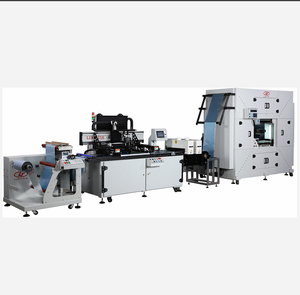
Whether processing high-durability synthetic automotive decals, heat-resistant membrane switch overlays for industrial machinery, or flexible printed circuit (FPC) covers, a dedicated Nagoya-based digital converting installation bridges the gap between digital inkjet printing and automated final packaging. The outcome is a dramatic collapse in overall job changeover time—moving from hours of mechanical alignment down to seconds of digital file loading.
Over 60 years of US-engineered precision, proven in high-throughput converting plants across 60+ nations.
Eliminate rotary die purchasing, sharpening schedules, and physical warehouse die storage. Render complex label shapes, internal cutouts, and micro-perforations directly from digital CAD/AI files.
Real-time camera-based registration tracking reads fiducial marks on pre-printed webs. Automatically compensates for substrate stretch, web skew, and thermal shrinkage on complex synthetic films.
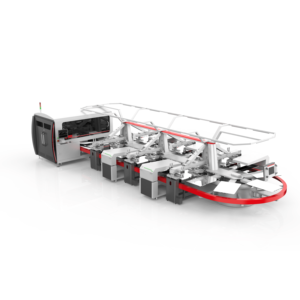
Expand your inline capabilities as market demand grows. Seamlessly integrate single-pass digital inkjet units, flexo varnish modules, thermal lamination, semi-rotary slitting, and automated turret rewinders.
Engineered galvo-laser optical heads concentrate energy down to 0.1 mm spot size. Delivers ultra-clean heat-affected zones (HAZ) without edge discoloration or adhesive bleeding on release liners.
Every system undergoes complete run-testing at our engineering facility using client-supplied substrates. Cut tolerances, edge sealing quality, and line speeds are physically verified prior to export.
Global cloud-connected telematics allow factory-trained engineers to monitor operational status, calibrate optical sensors, and perform predictive maintenance diagnostics in Nagoya real-time.
Quantitative assessment of operational efficiency for Nagoya converters handling high-mix label production.
| Performance Metric | Digital Laser Converting System | Conventional Mechanical Rotary Die |
|---|---|---|
| Tooling Cost per SKU | $0.00 (Software Vector File) | $400 – $2,500 per Magnetic/Flexible Die |
| Tooling Lead Time | Instantaneous (Load Vector File) | 3 to 7 Days Machining & Delivery |
| Setup Waste (Web Distance) | < 1.5 Meters (Automated Alignment) | 50 – 150 Meters (Manual Registering) |
| Job Changeover Speed | < 30 Seconds (Barcode Recipe Scan) | 25 – 45 Minutes (Cylinder Swap & Pressure Adjust) |
| Minimum Economical Run | 1 Unit (On-Demand / Variable SKU) | 5,000+ Units (To Amortize Tooling Setup) |
| Complex Geometry & Micro-Perf | Unlimited (0.004" Spot Size Precision) | Limited by Mechanical Blade Machinability |
| Blade Wear & Substrate Downtime | Zero Physical Contact / No Blade Sharpening | Regular Sharpening & Die Wear Downtime |
Tailored conversion workflows engineered to meet strict Japanese quality compliance standards across diverse manufacturing sectors.
Nagoya is the global nerve center for automotive manufacturing. Our digital label converting systems excel at kiss-cutting multi-layered tamper-evident PET, polyimide (Kapton), and aluminum foil substrates used in vehicle VIN tags, battery pack safety labels, and engine compartment warning decals. High-precision laser optics ensure edge sealing without damaging thin silicone release liners.
For industrial machine tool builders and home appliance OEMs across Aichi and Shizuoka, our converting systems handle polycarbonate and graphic-grade polyester overlays. Optical registration cameras precisely align kiss-cuts to screen-printed button positions, LED display windows, and connector cutouts with sub-millimeter repeatable tolerance.
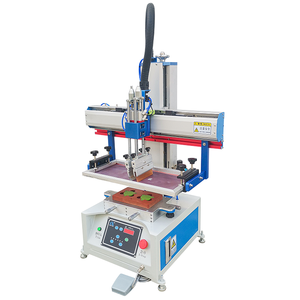
Electronics packaging facilities in the Chubu region utilize our high-speed soft circuit screen printing and digital laser shear modules to convert coverlays, heat-sink adhesive pads, and flexible circuit shielding layers. The touch-free laser cutting process prevents mechanical distortion on delicate conductive films.
Meeting Japanese PMDA healthcare regulatory standards requires cleanroom-compatible, particulate-free label converting. Our digital systems deliver precise kiss-cut roll-to-roll labels for diagnostic kit vials, self-service medical device panels, and sterile barrier packaging without leaving mechanical micro-debris.
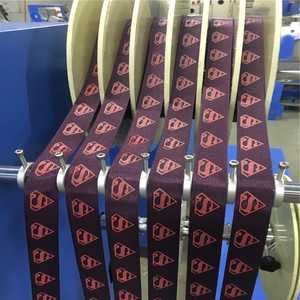
Exporters shipping goods through the Port of Nagoya depend on GHS chemical warning labels and weather-resistant maritime cargo stickers. Digital laser converting units effortlessly process variable serialized QR codes, sequential barcodes, and multi-language safety information in a single uninterrupted roll-to-part workflow.
Trimming pre-formed resin film parts for injection molding applications requires tight 3D contour adherence. The laser finishing engine instantly adapts to modified CAD profiles, enabling rapid prototyping for consumer electronics cases and automotive interior trim panels.
Navigating Industry 4.0 automation, labor shifts, and sustainable manufacturing practices in Japan.
The manufacturing landscape in Japan, particularly across the Chubu industrial corridor, is undergoing a profound structural transition. Three core macro-trends are accelerating the adoption of digital label converting and specialized printing equipment:
Japanese consumers and industrial clients increasingly demand localized, highly customized product variations. As production batch sizes shrink from tens of thousands down to a few hundred units, conventional rotary die setup times become economically unsustainable. Digital converting enables true Just-in-Time (JIT) short-run label supply.
Faced with an aging skilled workforce, Japanese converting plants are prioritizing high-automation machinery. Smart recipe loading, barcode-triggered job retrieval, and auto-adjusting laser web tension controls allow a single operator to supervise multiple digital converting lines with minimal physical intervention.
Environmental management standards (ISO 14001) drive converters in Nagoya to reduce material waste. Digital laser converting eliminates test-run setup setup waste (often saving 100+ meters per job change) and optimizes web nesting layouts, significantly lowering the plant's overall carbon footprint.
Technical and procurement insights for factory managers, process engineers, and global export buyers.
Laser die cutting is significantly more cost-effective for short to medium run lengths (typically under 10,000 linear meters per SKU), highly versioned products, and jobs requiring intricate internal cut geometries. Because there are no physical tooling costs ($400–$2,500 per die) and zero plate lead times, production can begin immediately upon receiving a digital file. For extremely long single-shape runs exceeding hundreds of thousands of identical meters, mechanical rotary die cutting may still be evaluated based on raw mechanical speed, but digital laser converting wins on total agility and inventory reduction.
Our systems are engineered and field-tested across a wide spectrum of pressure-sensitive paper stocks, Polyethylene Terephthalate (PET), Polyvinyl Chloride (PVC), Polycarbonate (PC), Polypropylene (PP), Kapton polyimide, thin metallized foils, synthetic paper (Yupo), and multi-layer membrane switch laminates. Every material batch sent by our Nagoya clients is fully validated at our test facility before machine specs are finalized.
Our high-speed CCD camera vision system captures printed registration marks or specific artwork features on-the-fly. The system recalculates the galvo-laser steering vector in real-time, dynamically scaling and rotating the cut path to compensate for web stretch, repeat length variation, or web wandering. This guarantees register accuracy down to ±0.05 mm across the entire roll length.
Systems exported to Nagoya and the surrounding Chubu region are backed by factory-trained field support technicians, local service partners, and robust spare-parts availability. Initial commissioning includes comprehensive operator training covering software workflow, laser power calibration, web tension tuning, and preventive optics maintenance. Additionally, integrated cloud remote diagnostics enable real-time engineering support direct from the factory floor.
Yes. Modules can be added seamlessly to the base chassis as business requirements expand. You can start with a standalone roll-to-roll laser cutting unit and later integrate inline UV inkjet printing units, hot stamping stations, corona treaters, lamination towers, micro-slitting, or automatic sheet stackers without replacing the core drive system.
Send our application engineering team your substrate samples, drawings, and target throughput specifications. Receive a comprehensive technical feasibility report and live cutting video demonstration.
Contact Us