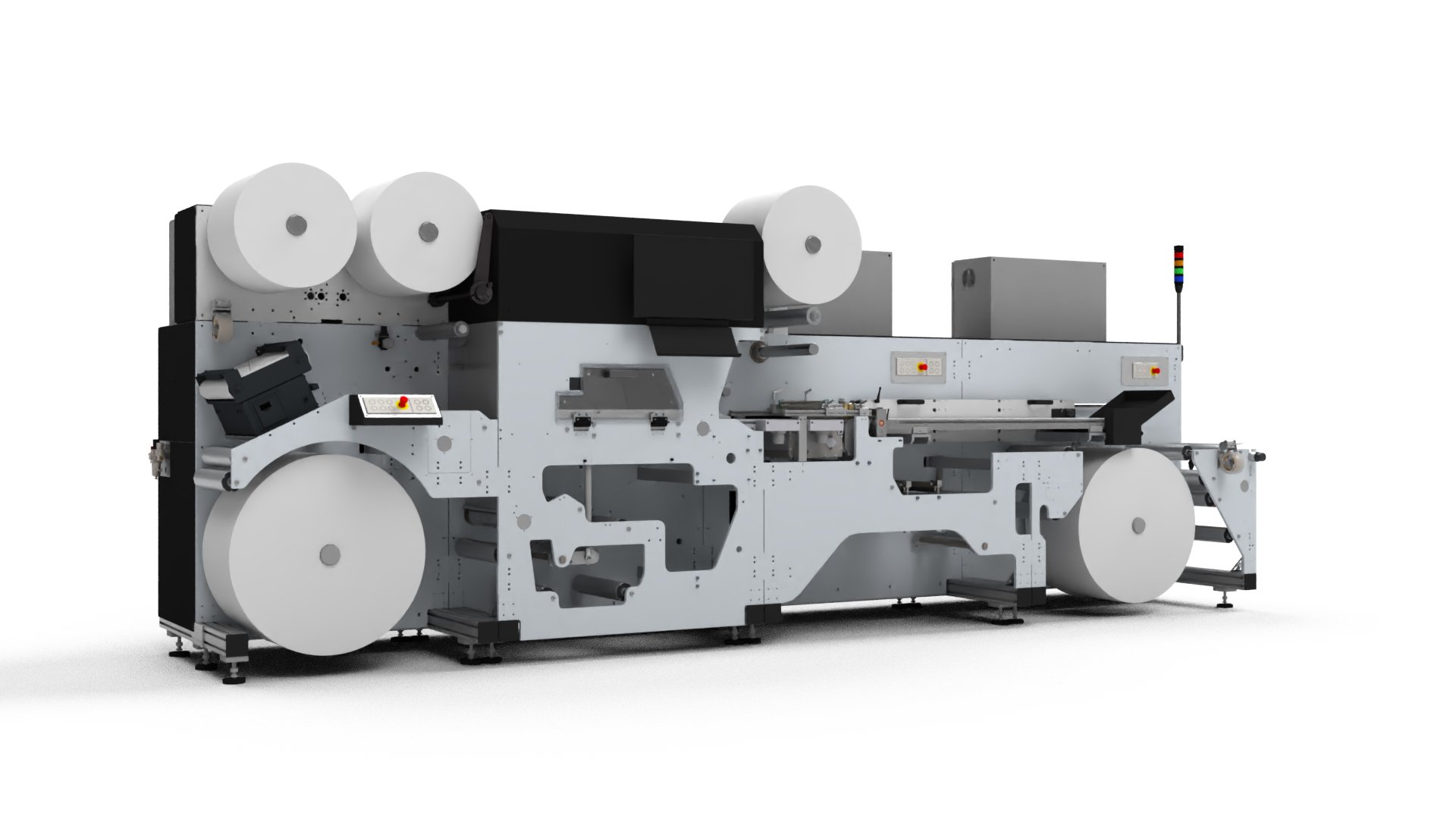
Engineered License Plate Manufacturing Machinery
High-speed, high-precision equipment tailored for Spanish registration plate fabricators, embossed aluminum lines, and acrylic metacrilato production.
Industry Whitepaper: License Plate Manufacturing Framework for the Spanish Market
The manufacturing of vehicle registration plates in Spain represents a highly regulated, technologically sophisticated segment of the European automotive supply chain. Governed by strict oversight from the Dirección General de Tráfico (DGT) under Real Decreto 2822/1998 (Reglamento General de Vehículos) and harmonized with European Union mandates, license plate production requires machinery that guarantees micron-level precision, anti-counterfeiting security integration, and long-term durability under demanding Iberian climatic conditions.
In recent years, the Spanish license plate market has experienced a decisive structural shift. Traditional embossed aluminum plates (historically compliant with UNE 135331 standards) are rapidly giving way to acrylic / PMMA (polymethyl methacrylate) plates—commonly referred to across Spain as placas de metacrilato. Acrylic plates offer superior resistance to impact, UV degradation, and solar yellowing caused by high radiation levels in southern regions like Andalusia and Murcia. Furthermore, PMMA plates facilitate the seamless integration of high-resolution digital retroreflective film, micro-laser watermarks, anti-tamper barcode tracks, and official DGT security holograms directly between protective polymer layers.
To successfully capture market share in Spain—from regional automotive parts distributors in Madrid and Barcelona to official government suppliers in Valencia and Seville—machinery manufacturers must deliver complete turnkey production lines. These lines must meet ISO 7591 standards for retroreflective registration plates while providing high mechanical flexibility to handle standard passenger cars (520 x 110 mm), commercial vehicles, motorcycles (220 x 160 mm), electric vehicles (featuring mandatory blue right-hand bands), and temporary diplomatic/tourist plates.
| Plate Category |
Material Substrate |
Key DGT & EU Norms |
Machinery Process Required |
Optical / Thermal Spec |
| Standard Passenger (Spain) |
PMMA Acrylic / High-Grade Aluminum |
DGT Real Decreto 2822/1998, ISO 7591 |
Flatbed UV Printing / Laser Cutting & Blanking |
Class 1 / Class 2 Retroreflective Foil |
| Electric Vehicle (EV) |
PMMA Metacrilato with Blue Band |
DGT Order PCI/810/2018 |
Multi-color Screen Printing + Hot Foil Tipping |
UV-Resistant Ink (Blue RAL 5005) |
| Commercial & Trailer (Remolque) |
Red Substrate PMMA / Aluminum |
UNE 135331 / DGT Category R |
Dual-Stage Hydraulic Blanking & Screen Print |
High-Opacity Black Character Inking |
| Taxi & VTC Service |
Blue Substrate PMMA Rear Plate |
Order PCI/810/2018 (Mandatory Blue Rear) |
Inline Digital Inkjet + Thermal Transfer |
Anti-Fading Color Spectrometry (L*a*b*) |
Localized Application Scenarios in Spain
Tailored manufacturing setups built to address the specific legal, operational, and material requirements of Spanish vehicle fleet operators and regulatory compliance centers.
1. High-Speed PMMA "Placas de Metacrilato" Production
In urban centers such as Madrid and Barcelona, auto parts distribution networks require high-speed acrylic license plate lines. Our machinery utilizes precision CCD optical cameras to align retroreflective film containing pre-printed Spanish flags and "E" EU identifiers prior to high-tonnage die-cutting. This guarantees zero edge delamination, flawless edge radius routing, and 100% compliance with DGT anti-shatter regulations.
2. Embossed Aluminum Lines with Hot-Stamping Tipping
For industrial vehicle manufacturers and legacy plate stamping factories across Northern Spain (Basque Country, Galicia), our automated hydraulic embossing presses deliver up to 35 tons of uniform force. Integrated hot-stamping foil units apply heat-resistant black pigment across alphanumeric characters, passing stringent salt-spray and high-pressure wash tests required for commercial logistics fleets operating across Europe.
3. DGT Holographic & Anti-Counterfeiting Integration
Preventing vehicle identity fraud and clone plates is a critical mandate for Spanish law enforcement (Guardia Civil de Tráfico). Our equipment embeds micro-laser security watermarks, sequential QR codes, and tamper-evident optical holographic threads directly during the inline blanking process. Attempts to alter or peel the acrylic overlay permanently destroy the optical retroreflective matrix, alerting authorities immediately.
4. Specialized EV, Taxi & Diplomatic Plate Conversion
Following Spanish Royal Directives mandating blue background rear license plates for Taxis/VTCs and specific green/red temporary registration tags, our modular screen printing systems allow ultra-fast job changeovers. Digital recipe storage in the PLC interface enables machinery operators to switch ink densities and color profiles in under 3 minutes, minimizing downtime for low-volume, high-mix specialty plates.
60+
Years Engineering Heritage
3,000+
Global Installations
0.004 in
Laser Spot Precision
100%
Factory Run-Tested
1. ANPR-Optimized Optical Contrast
Automatic Number Plate Recognition (ANPR) systems deployed across Spanish toll roads (Autopistas) and Low Emission Zones (ZBE - Zonas de Bajas Emisiones in cities like Madrid and Barcelona) require strict infrared reflectivity ratios. Modern plate printing machinery must apply infrared-absorbent black inks to characters while maintaining high retroreflection on the substrate background.
2. Eco-Friendly Polycarbonate & Recycled PMMA
Aligned with EU Circular Economy directives and Spanish sustainability mandates, factories are adopting solvent-free UV-LED curing systems and machinery capable of converting 100% recyclable optical-grade PMMA. Energy-efficient servo drives lower electricity consumption per plate by up to 35% compared to legacy hydraulic setups.
3. Direct-to-Plate Laser Marking & RFID Integration
The rise of Smart Mobility in Spain is accelerating demand for laser marking modules capable of etching 0.004-inch fine-line matrix barcodes directly into internal plate layers. Advanced machinery platforms allow for future integration of passive RFID microchips without disrupting existing high-speed production line velocities.
Buyer & Technical Procurement FAQ
Direct technical answers addressing homologation, ISO compliance, logistics, and machine integration for Spanish factory owners.
Does your machinery comply with Spanish DGT and ISO 7591 homologation standards?
Yes. All our license plate manufacturing systems are engineered to satisfy the rigorous dimensional, mechanical, and optical parameters set forth by the Spanish Dirección General de Tráfico (DGT) under Real Decreto 2822/1998, as well as European ISO 7591 standards. Our screen printing and hot-stamping units guarantee precise placement of the mandatory blue EU emblem, country code "E", manufacturer identification marks, and DGT homologation numbers (e.g., TPPR code engraving).
Can one single machine line produce both PMMA acrylic and aluminum plates?
While screen printing and retroreflective foil laminating stations can process both PMMA sheet stock and aluminum strip coil, the final blanking and shaping processes differ. Acrylic plates require specialized laser cutting or high-precision optical router tooling to prevent micro-cracking at the edges, whereas aluminum plates utilize hydraulic embossing dies and mechanical shearing presses. We offer hybrid modular lines (such as our CS Series chassis) that combine both blanking options on a unified production floor.
What is the standard production capacity (throughput) of your automated printing lines?
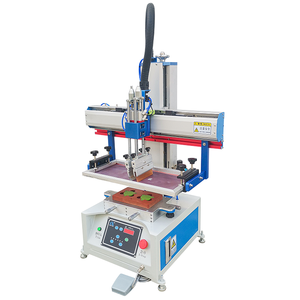
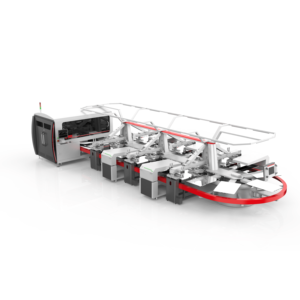
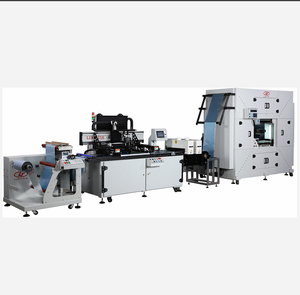
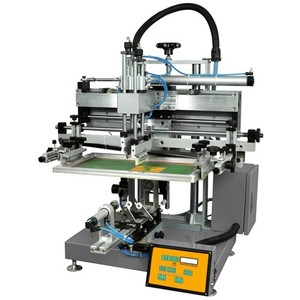
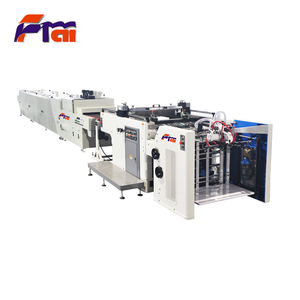
Production capacity depends on the automation tier selected. Our entry-level semi-automatic flatbed screen printers process between 600 and 800 plates per hour. For industrial-scale suppliers serving national distribution hubs in Spain, our fully automatic roll-to-roll and oval multi-station lines achieve speeds up to 2,400 completed license plate blanks per hour, featuring inline UV curing and automatic stack sorting.
How does your equipment handle registration alignment on pre-printed retroreflective film?
Our machinery utilizes multi-point CCD camera optical vision registration systems. These cameras read pre-printed registration marks, holograms, or edge contours on the retroreflective film in real time. Servo drives automatically adjust the substrate feed and die-cut positioning to within ±0.03 mm, compensating for material stretch, humidity fluctuations, or tension variations across the web.
What technical support, spare parts, and installation services are provided in Spain?
We provide full installation, commissioning, and operator training conducted by factory-trained field service engineers. All machinery shipped to Spain features 400V 3-Phase 50Hz EU-compliant electrical architecture, CE marking, and multilingual Siemens or Omron PLC touchscreen interfaces (English/Spanish). Remote telemetry and 24/7 internet diagnostics are built into every main control cabinet, backed by rapid dispatch of critical wear components.
What are the electrical, pneumatic, and space requirements for factory installation?
A standard automated license plate manufacturing module requires a standard EU industrial power supply (400V AC, 3-Phase, 50Hz), a clean dry compressed air connection (6 to 8 bar), and a operational footprint ranging from 15 m² for standalone screen printers up to 60 m² for complete roll-to-blank laminating and laser cutting lines. Detailed foundation layouts, air consumption figures, and electrical wiring schematics are provided upon order confirmation.
Ready to Upgrade Your License Plate Production Line in Spain?
Consult directly with our senior converting engineers. We offer complimentary material test runs, line layout planning, and custom quotes tailored to Spanish DGT compliance standards.
Send an Inquiry