Direct-from-factory digital printing machinery validated for high-speed operation, rigorous EU REACH environmental compliance, and micro-precision optical registration across Austrian manufacturing lines.
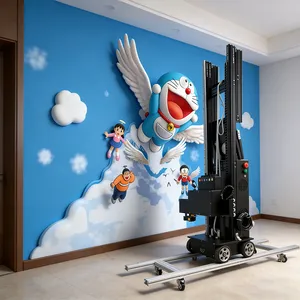
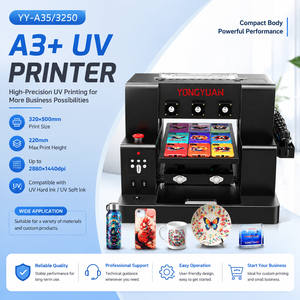
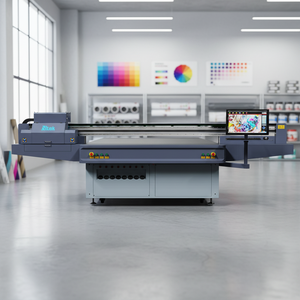
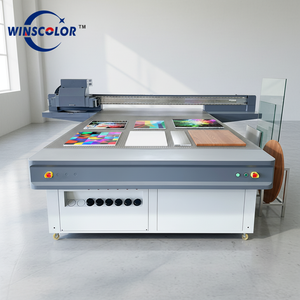
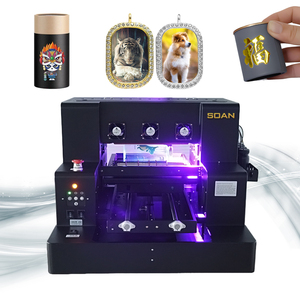
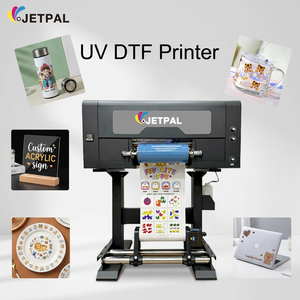
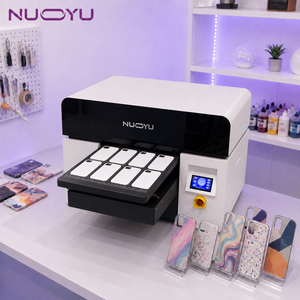
Austria’s manufacturing economy—anchored in high-precision engineering, architectural glass fabrication, premium woodcraft, and sustainable industrial packaging—demands UV ink curing equipment that satisfies both strict European environmental mandates and rigorous tactile quality standards.
Austrian converters are rapidly transitioning from solvent-based platforms to solid-state LED-UV printing. The shift is accelerated by the need to print directly onto non-porous Alpine timber (Larch, Beech), anodized aluminum facade elements, and thermoformed plastics without requiring volatile priming chemicals.
With Austria enforcing strict environmental protection guidelines (Umweltzeichen standards), print houses require instantly cured polymer inks free of heavy metals and aromatic hydrocarbons. Modern LED-UV setups reduce thermal radiation and greenhouse gas footprint by up to 45%.
Austrian buyers no longer treat printing and cutting as separate silos. Industry 4.0 integration demands that UV flatbed and UV DTF roll-to-roll engines interface directly with vision-guided laser cutters and digital registration shears for zero-latency workflow.
Achieving photorealistic color reproduction and extreme mechanical scratch resistance on challenging industrial surfaces requires absolute control over droplet jetting kinetics and UV photon delivery.
Unlike conventional mercury-arc lamps that emit broad-spectrum infrared heat, advanced industrial UV printers utilize narrow-band semiconductor LED arrays operating precisely at 365nm to 395nm wavelengths. This monochromatic light source triggers instantaneous cross-linking of acrylic monomers without heating temperature-sensitive substrates like thin PVC, PET, or delicate wood veneers.
By controlling photon flux density across the curing zone, variable pin-curing allows tactile 3D embossed effects, glossy top-coats, and matte textured finishes in a single pass.
Equipped with industrial printheads such as Epson DX5, DX7, and XP600, jetting frequency reaches up to 30 kHz with droplet volumes ranging from 3.5 pico-liters (pl) to 12pl. Grayscale jetting technology ensures subtle color transitions in architectural renders and fine serif text down to 2-point font size on industrial control panels.
Integrated anti-clogging white ink circulation systems prevent titanium dioxide particle sedimentation, ensuring continuous opacity on dark acrylics and metals.
An objective evaluation matrix assisting Austrian procurement managers in assessing engineering integrity, registration accuracy, and long-term operating costs.
| Evaluation Parameter | Spartanics Integrated Ecosystem | Tier-1 European OEM | Standard Import Factory |
|---|---|---|---|
| Registration Accuracy | ±0.01mm (Camera Vision Guided) | ±0.05mm (Mechanical Stops) | ±0.15mm (Manual Alignment) |
| Curing System Technology | Air-Cooled / Water-Cooled Dual LED (395nm) | Water-Cooled LED-UV | Conventional Mercury Arc Lamp |
| Substrate Versatility | Acrylic, Glass, Wood, Leather, Metal, AB Film | Rigid Plastics & Cardboard | Standard Vinyl & PVC Only |
| 100% Pre-Shipment Validation | Yes (Client Material Tested) | Partial / Standard File Test | No (Factory Bench Run Only) |
| Ink Environmental Certification | EU REACH, Low-VOC, RoHS Compliant | EU REACH Compliant | Non-Certified Standard Inks |
| Finishing Module Integration | Inline Laser Cutting & Registration Shears | External Standalone Units | No Direct In-line Connectivity |
Real-world deployments of UV inkjet printing and UV DTF transfer technology solving regional manufacturing bottlenecks across Austria.
Custom printing on solid Alpine wood panels, decorative glass partitions, and stone tiles. UV inks penetrate wood grain micro-cavities while varnish coats protect against UV fading in high-altitude chalet installations.
High-precision printing of membrane switches, durable polycarbonate overlays, and stainless-steel equipment faceplates requiring chemical solvent resistance against industrial lubricants and cleaners.
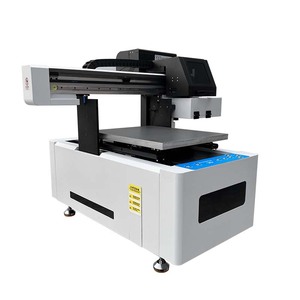
Large-format 2030 UV flatbeds printing ceramic-backed translucent patterns on tempered architectural glass panels for modern commercial facades and insulated window assemblies.
On-demand UV DTF (AB Film) direct transfers onto irregular luxury items including metal flasks, premium leather goods, embossed folding cartons, and promotional glassware without expensive die-tooling.
For over 60 years, Spartanics has engineered cutting, counting, and printing machinery in Rolling Meadows, Illinois, USA, installed across 60+ countries worldwide. We do not merely assemble printers; we design holistic converting ecosystems.
Every UV printing and converting platform is subjected to 100% pre-shipment run testing using your exact Austrian substrates. Coupled with camera-driven optical registration, laser die cutting integration, and remote diagnostic telemetry, your investment guarantees low scrap rates and immediate ROI.
Expert answers regarding EU compliance, substrate adhesion, total cost of ownership, and maintenance cycles for industrial UV printing systems in the DACH region.
In Austria, machinery must carry the CE mark and comply with the EU Machinery Directive 2006/42/EC. Inks must be fully compliant with EU REACH regulations (EC 1907/2006), ensuring they are free from Substances of Very High Concern (SVHC). Our LED-UV curing systems eliminate ozone emissions and mercury hazards, making them ideal for Austrian indoor workplace safety standards.
Austrian woods like Spruce, Larch, and Beech contain natural resins. Our high-viscosity UV-curable inks utilize specific photoinitiators that bond mechanically and chemically to raw wood fiber. For oily or dense hardwoods, an inline corona treatment or digital liquid primer module ensures cross-hatch adhesion scores of ISO Class 0.
Solid-state LED-UV lamps offer an operating lifespan exceeding 20,000 to 30,000 hours, compared to just 1,000 to 1,500 hours for conventional mercury-arc bulbs. LED lamps turn on and off instantly without warm-up delays, reducing electrical consumption by up to 60% in typical Austrian manufacturing plants.
Direct flatbed printing jets ink directly onto rigid planar objects placed on the vacuum bed. UV DTF prints onto a carrier film (A Film), laminates a transfer film (B Film), and allows transferring the durable UV emblem onto 3D, curved, or complex objects (e.g., helmets, bottles, machinery housings) that cannot fit physically onto a flatbed printer.
All machinery comes backed by factory-trained engineering support, 24/7 remote IP diagnostics, and guaranteed spare parts dispatch within the DACH region. Our engineers conduct comprehensive virtual or on-site commissioning to train your staff on maintenance, ink system flushing, and RIP software optimization.