Industrial roll-to-roll screen printers, digital label converting platforms, and precise flatbed cutting systems configured for high-throughput Moscow manufacturing lines.
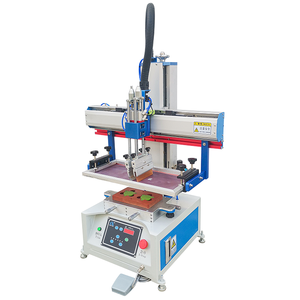
Precision flatbed press engineered for cylindrical and flat substrate branding including batteries, lighters, and technical components with micro-optical registration.
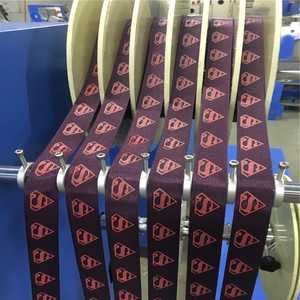
Multi-color automatic ribbon printer optimized for satin, nylon, polyester webbing tape, and continuous narrow web textile security labels.
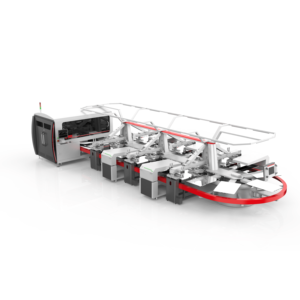
Multicolor oval industrial screen printing system integrating PLC control architecture, designed for heavy-duty textile and apparel tag printing.
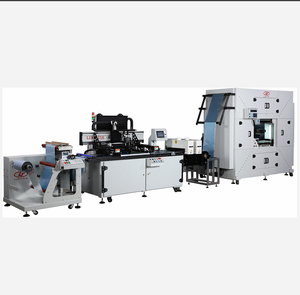
Engineered for flexible printed circuits (FPC), RFID antennas, and technical paper labels requiring ultra-precise conductive ink laydown.
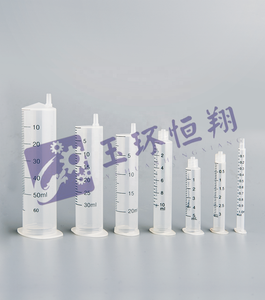
Heavy-duty automated printing unit designed for healthcare diagnostics, pharmaceutical patient tracking, and clinical compliance labels.
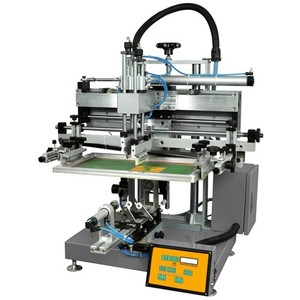
Compact desktop solution for high-precision cylindrical printing on vials, cosmetics, mugs, and industrial tubes with rapid fixture changeover.
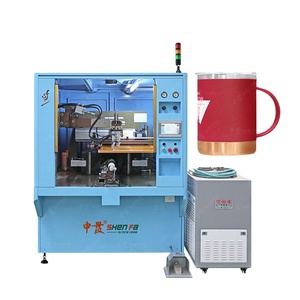
Dual-color screen printer for beverage containers, sports bottles, and glass containers with integrated registration fixtures for crisp multicolor graphics.
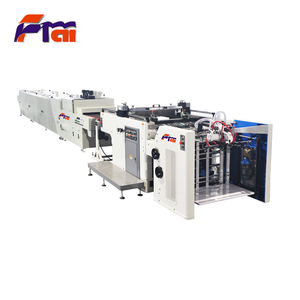
High-speed reversible screen printer engineered for heavy cardstock, metal sheets, transfer paper, and large-format industrial membrane switches.
The label converting and commercial packaging sector across the Moscow Metropolitan Region (including key industrial hubs such as Zelenograd, Podolsk, Solnechnogorsk, and Noginsk) is experiencing a profound structural transformation. Driven by supply chain restructuring, import substitution initiatives (Importozameshchenie), and strict state trace-and-track compliance regulations, converters in the Central Federal District are rapidly shifting away from legacy flexographic systems toward flexible, toolless digital label converting platforms.
Four primary market drivers define current capital equipment investments for Moscow packaging converters:
Moscow FMCG, craft beverage, and cosmetic brands have shortened campaign run lengths from 100,000 meters down to targeted 500 to 5,000 meter batches. Mechanical rotary dies require thousands of Euros in magnetic cylinder tooling and weeks of lead time. Toolless roll-to-roll laser die cutting eliminates physical die inventories entirely, allowing converters to process 20 distinct jobs in a single shift directly from PDF digital vector cuts.
Mandatory digital serialization under Russia's Chestny ZNAK track-and-trace system spans pharmaceuticals, bottled water, dairy, perfume, and anti-freeze products. Modern digital converting platforms must integrate inline variable data inkjet stations and high-resolution vision verification systems capable of reading 2D DataMatrix cryptographic codes at web speeds exceeding 80 meters per minute without misregistration.
With changing suppliers of self-adhesive label stock (PE, PET, PP, textured wine paper, and synthetic films), converting systems operating in Moscow must feature adaptive web tension control and wide-spectrum laser optical sensors. Beam intensity must dynamically adjust to local release liner densities, preventing matrix-stripping tears on non-standard adhesive backing paper.
Moscow logistics hubs handle severe seasonal temperature shifts (down to -25°C in unheated winter distribution centers). Packaging labels must maintain flawless edge integrity. Cold-chain pharmaceutical and freezer food labels rely on thick film laminates and specialized adhesives that require clean, burn-free laser edge sealing during converting to prevent moisture ingress and edge curling.
For over six decades, Spartanics (Rolling Meadows, Illinois, USA) has set the global benchmark for optical registration, high-speed laser cutting, and card manufacturing automation. Unlike generalist machinery resellers, Spartanics custom-engineers digital converting platforms built specifically for high-speed repeatability and minimal waste.
Proprietary Optical Registration & Software Algorithms: Spartanics laser die cutting systems utilize advanced multi-camera vision software that measures repeat distance variation and web stretch in real time. Rather than relying on rigid mechanical registration marks, our galvo laser steering heads adjust the cutting vector on the fly, maintaining registration tolerances within ±0.1 mm (0.004 in) across variable speed profiles.
Zero Tooling Cost & Instant Setup: Mechanical dies cost upwards of €1,000 to €3,000 per SKU and require days of shipment to Moscow. With Spartanics laser finishing, converting artwork is uploaded directly via CAD vector files (DXF/AI). Job setup requires seconds, eliminating setup waste and freeing up valuable floor space previously dedicated to heavy die storage racks.
| Operational Parameter | Spartanics Digital Laser Systems | Conventional Mechanical Rotary Dies | Basic Flatbed Plotter Cutters |
|---|---|---|---|
| Tooling Cost per SKU | €0.00 (Pure Digital File) | €800 – €3,500 per die set | €0.00 (Blade Wear Costs apply) |
| Job Changeover Speed | < 60 Seconds (Recipe Drive) | 45 – 90 Minutes per mechanical swap | 5 – 15 Minutes per job file setup |
| Cutting Speed (Web) | Up to 100 m/min continuous | 50 – 120 m/min (Limited by mechanical wear) | 5 – 15 m/min (Low throughput) |
| Intricate Geometry / Kiss-Cut | Unlimited complex micro-contours | Restricted by physical blade radiuses | Restricted by blade drag physics |
| Substrate Compatibility | PET, PVC, PP, Paper, FPC, Polycarbonate | Paper & Standard Films | Soft Thin Papers & Light Vinyls |
| Edge Quality & Sealing | Sealed synthetic edges, zero fraying | Mechanical shear edge (can fray film) | Drag blade burrs on heavy films |
100% Pre-Shipment Material Validation: Every Spartanics system destined for export to Moscow undergoes rigorous pre-shipment run testing at our headquarters. Clients send their specific local substrate stocks (including aggressive acrylic adhesives, metallized films, or heavy cardboard), and our factory engineers optimize laser frequency, pulse width, and air-assist pressure parameters to guarantee turn-key operational performance upon installation.
Spartanics digital label converting and specialized screen printing platforms are deployed across diverse high-value manufacturing verticals in Moscow and adjacent regions:
Micro-labeling for medical ampoules and pharmaceutical secondary packaging requires ultra-crisp print quality and sub-millimeter die-cutting accuracy. The CS2100 digital laser platform enables continuous roll-to-roll inline inspection, variable batch coding, and kiss-cutting of tamper-evident security seals that fracture if unsealed.
High-end vodka, wine, and mineral water brands demand tactile embellishments—including heavy tactile UV screen varnishes, hot foil stamping, and intricate neck-label contour cuts. Combining Spartanics roll-to-roll screen printing units with laser die cutting produces luxury tactile labels without multi-stage off-line bottlenecks.
Industrial machinery, automotive engine bays, and household chemical containers require durable polycarbonate and thick vinyl nameplates resistant to petrol, solvents, and UV exposure. Spartanics screen printing and heavy-duty mechanical presses apply high-density opaque whites and metallic inks that survive harsh industrial environments.
Giant fulfillment centers around Moscow process millions of variable e-commerce parcels daily. Inline digital printing combined with high-speed roll-to-sheet rotary shearing produces custom fan-folded thermal transfer shipping labels with zero matrix waste at speeds keeping pace with continuous warehouse automation.
Technical guidance for chief technical officers, procurement directors, and plant managers evaluating equipment imports for Moscow printing facilities.
Send us your material substrate samples and complex CAD cut drawings. Spartanics application engineers will perform a free technical evaluation, complete cut sample demonstration, and issue a customized line quotation for your facility.
