Engineered for high-throughput manufacturing across Sub-Saharan Africa. Directly exported with factory-backed technical support.
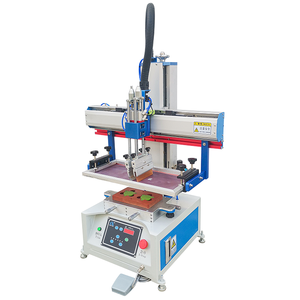
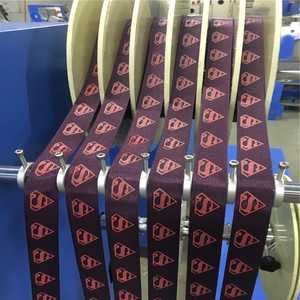
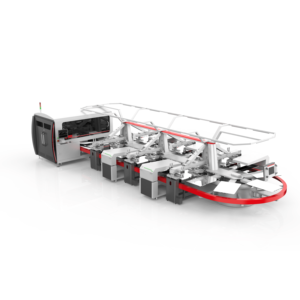
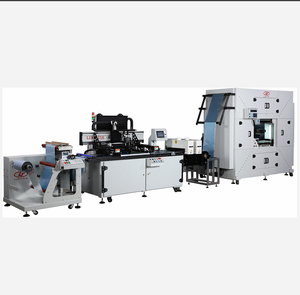
The Sub-Saharan manufacturing domain is undergoing a rapid industrial transformation, led by South Africa's robust growth in luxury packaging, security documentation, wine and spirits labeling, pharmaceutical anti-counterfeiting, and FMCG production. As modern brands demand higher shelf appeal and impenetrable security seals, selecting top trusted hot stamping machine manufacturers and exporters in South Africa has shifted from a simple capital purchase to a strategic technology partnership.
In high-volume manufacturing hubs across Johannesburg, Cape Town, and Durban, industrial converters require hot stamping machinery that balances extreme mechanical accuracy, thermodynamic consistency, and adaptable foil-tension systems. Achieving long-term operational profitability requires machines built to withstand intensive production cycles while minimizing foil wastage and eliminating registration drift. This whitepaper analyzes the technical architecture, localized market forces, and operational methodologies required to maximize ROI when deploying hot stamping and digital converting technology throughout South Africa.
South Africa presents a unique industrial landscape where European print standards intersect with Sub-Saharan supply chain requirements. Machinery must demonstrate high versatility across diverse substrates, varying environmental conditions, and rigorous operational demands.
The Western Cape's world-renowned viticulture sector demands premium micro-embossing and gold/copper metallic foil stamping on textured label stocks. Servo-driven hot stamping presses provide precise temperature control to prevent substrate scorching while maintaining flawless edge fidelity on high-speed bottling lines.
With major financial centers headquartered in Sandton and Johannesburg, secure plastic card manufacturing relies on hot stamping for security holograms, signature panels, and metallic foil elements. Systems integrated with Spartanics optical registration accuracy ensure zero misalignments during high-speed production.
Automotive OEM hubs in the Eastern Cape and Gauteng require heavy-duty hot stamping on rigid polycarbonate and acrylic substrates. Heavy tonnage mechanical die-cutting and hot stamping platforms ensure heat resistance, wear longevity, and crisp metallic lettering on interior panels.
Selecting industrial machinery requires a deep understanding of operational mechanical parameters. The table below illustrates key performance indicators across conventional platen presses, high-speed rotary roll-to-roll hot stamping systems, and modern hybrid digital finishing platforms.
| Performance Metric | Flatbed Platen Hot Stamping | Rotary Roll-to-Roll Stamping | Hybrid Laser & Hot Foil System |
|---|---|---|---|
| Primary Target Application | Thick board, sheeted cards, luxury boxes | High-volume flexible labels, long-run webs | Short-to-medium runs, variable data, custom SKUs |
| Registration Accuracy | ±0.05 mm (Mechanical Stops) | ±0.08 mm (Gear Driven) | ±0.004 in / 0.1 mm (CCD Camera Optical) |
| Setup Time & Tooling Cost | Moderate tooling cost; 30-45 min setup | High cylinder cost; 60+ min setup | Zero die tooling cost; Recipe-driven instant setup |
| Foil Utilization Efficiency | Standard mechanical step-and-repeat | Continuous web usage | Intelligent servo foil-saving pulse technology |
| Substrate Compatibility | Paperboard, PVC, Rigid Plastics, Leather | PET, Polypropylene, Thin Web Stock | Membrane switches, PET, Coated papers, IMD film |
For six decades, Spartanics has engineered industry-leading industrial finishing, cutting, counting, and printing machinery. Established in Rolling Meadows, Illinois, USA, in 1963, our equipment operates in over 60 countries. We bring world-class precision, heavy-duty durability, and custom automation to the South African industrial sector.
We eliminate capital risk through strict material testing. Before any machinery contract is finalized, your specific South African substrates—whether local wine bottle label stock, PVC cards, or flexible packaging—are processed and validated on live production equipment in our test facilities.
By integrating optical camera registration systems inspired by the M255 optical shear and CS2100 converting platforms, our hot stamping and screen printing equipment detects printed registration marks in real time. This automatically compensates for web stretch, repeat errors, and lateral skew.
Industrial plants require flexibility. Our manufacturing equipment is designed around modular frames. Converters can deploy screen printing or hot foil stamping units today and seamlessly integrate inline laser die-cutting, UV digital printing, slitting, or sheeting modules as production demands expand.
Understanding market shifts allows South African converters to stay ahead of regional competition while optimizing capital expenditure. Key macroeconomic and technological trends include:
Expert insights on importing, installing, and operating high-precision hot stamping machinery.
Consult with our global engineering team to configure the ideal hot stamping, screen printing, or laser converting solution tailored to your operational targets.